Talk to Your Screen: How Google is Turning YouTube into a Conversational Assistant
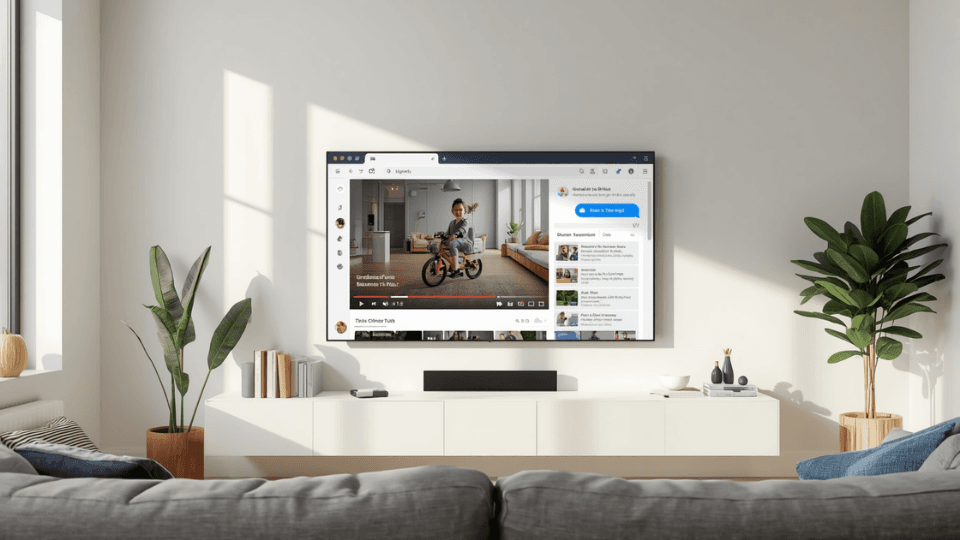
Google is aggressively changing how you look for things online, and that effort just landed on your television and mobile screens. On Tuesday, May 19, 2026, the tech giant announced a major overhaul of the standard YouTube search engine. The platform is rolling out a brand new feature called Ask YouTube. This update ditches the standard list of keyword results and replaces it with an interactive, artificial intelligence system designed to answer complex questions about video content.
The old search bar relied on simple titles and tags, but Ask YouTube can process intricate queries. Instead of typing a single word, you can ask for highly specific suggestions, such as looking for step-by-step guides to teach a child how to ride a bicycle, or finding creator reviews of relaxed video games to play before bed. The system reads through both Shorts and traditional long-form videos to build a helpful response. You can even ask follow-up questions to narrow down the results until you find the exact clip you need. Premium subscribers in the United States get the first shot at using this tool through YouTube’s experimental feature portal.
Gemini Omni Takes Over Shorts
The search upgrade is only half of the story. Google is also adding Gemini Omni, its newest multimodal video model, directly into the YouTube Shorts Remix tool and the standalone YouTube Create app. This allows creators to build and modify video clips using basic text prompts.
Google explained in a statement that remixing with Omni offers a fluid way for users to build on each other’s creative visions. The underlying model is much better at understanding what a user wants, which helps create consistent, high-quality stories. It also handles tedious audio and video sync adjustments automatically behind the scenes, saving creators hours of manual editing.
Fighting the Deepfake Threat
While tech giants push heavily into AI tools, users have expressed mixed feelings about automated video generation. Competitors like Meta and OpenAI have faced intense criticism over how these models handle copyright and privacy. OpenAI even ended up shutting down its standalone social video platform, Sora, after users raised serious concerns about safety. YouTube is trying a quieter approach, rolling out these features within existing creation tools rather than building a separate, flashy portal.
To balance out the risks of this technology, YouTube is expanding its likeness detection tool to creators aged 18 and older. This software is designed to stop people from using generative models to build deepfakes of real creators without their permission. If a video creator spots a clip where an AI generated their face or voice maliciously, they can submit a formal request to pull the video down immediately. Since this protection tool is just starting to expand globally, we will have to wait and see how effective it is at stopping digital forgery. For now, Google is making a strong argument that the future of streaming video belongs to conversational AI.