Coding in Your Pocket: OpenAI Puts Codex on the Mobile Map
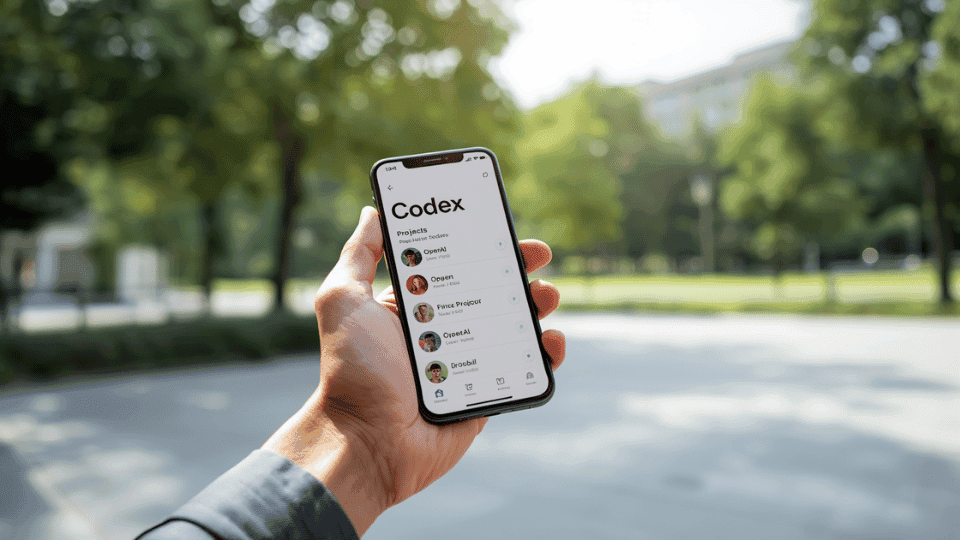
The days of being chained to a desk to manage your code are officially over. OpenAI just announced that Codex is going mobile. This powerful coding tool first launched about a year ago, but it is now part of the standard ChatGPT app. This change lets developers monitor and run their work from anywhere in the world. Whether you are on a train or sitting in a park, you can now keep an eye on your development pipeline with a few taps on your screen.
OpenAI launched the update on Thursday, May 14, 2026. This new feature lets you see your Codex live environments on any device. The update is currently in a preview phase, but it is already open to all paid plans on both iOS and Android. This move reflects a bigger trend in tech where complex work is moving away from big computers and toward the devices we carry in our pockets.
Total Control from Anywhere
This update is not just about checking a status bar. OpenAI made it clear in a statement that users can do real work from their phones. You can jump into your different code threads, look over what the AI produced, and approve specific commands. If you need to switch to a different AI model or start an entirely new project from scratch, you can do that too. It gives you the full power of a remote workstation without needing to lug around a heavy laptop.
This mobile push follows a string of other big updates for Codex. Just last month, OpenAI gave the tool the ability to run in the background on desktop computers. This allowed Codex to handle boring, repetitive tasks on its own while the developer focused on more important problems. They also recently put out a Chrome extension that lets the AI agent work inside live browser sessions. All of these moves show that OpenAI wants Codex to be a constant assistant that works wherever you are.
The Battle of the AI Agents
OpenAI is not the only company trying to win over the hearts of developers. Back in February, Anthropic released a very similar feature called Remote Control. That tool lets people monitor the work of Claude Code from a distance. The race between these two giants is heating up. Over the last year, Anthropic’s Claude Code has become a favorite for many businesses and tech pros. OpenAI is clearly feeling the pressure to keep its tools fresh and useful.
This rivalry is great for anyone who writes code. As these companies fight for users, they keep adding features that make the job easier. We are seeing a shift toward “agentic” coding tools. These are tools that don’t just suggest a line of code but can actually act like a junior developer. They can find bugs, suggest fixes, and now, they can keep you updated while you are away from your desk. As Codex moves to mobile, it sets a new bar for what we expect from our development tools.