Desktop Silicon Sovereignty: Cerebras CEO Predicts Dedicated AI Appliances in Every Household
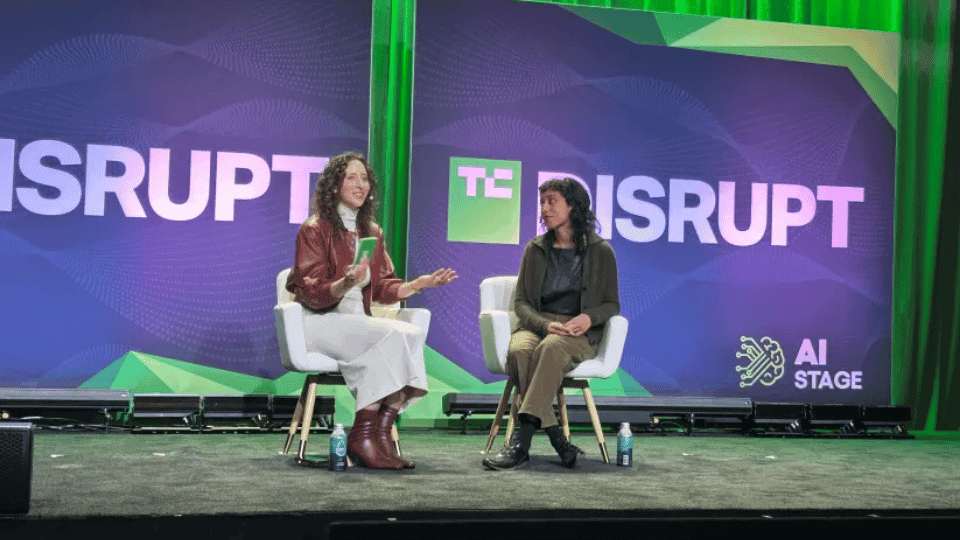
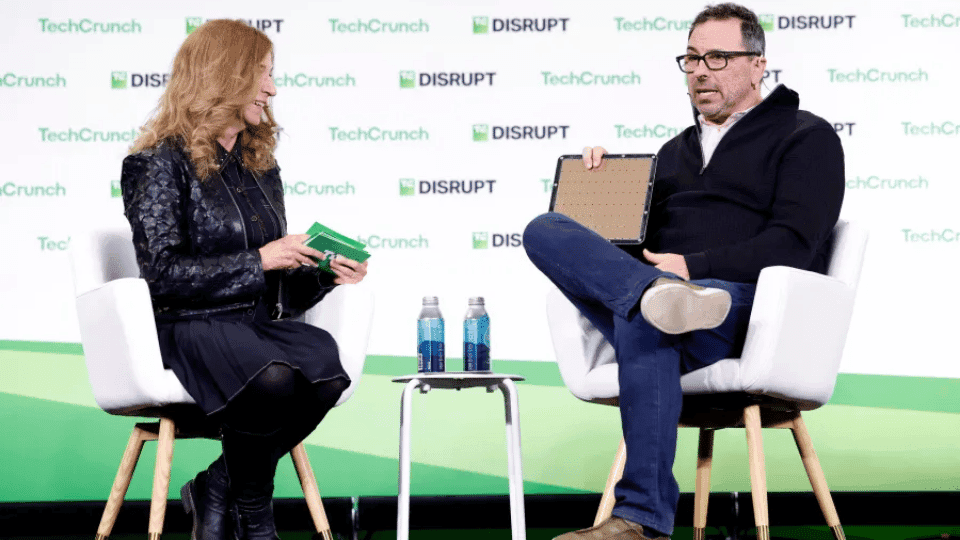
Cerebras Systems co-founder and chief executive officer Andrew Feldman envisions a future where physical artificial intelligence hardware sits inside every home alongside standard kitchen appliances. Speaking live on stage at TechCrunch Disrupt 2026, the chipmaker executive explained that dedicated local processing units will soon run autonomous digital assistants across household environments. Rather than relying entirely on remote data centers or mobile phones, consumer hardware will handle private personal tasks locally.
Feldman pointed to consumer agent software platforms like Meta’s Muse and startup Instinct as clear proof that intelligent agents are finding mass adoption among everyday users. As software agents become more capable, the underlying computing architecture must adapt to support constant local inference. Running artificial intelligence workloads locally protects personal privacy while removing network latency bottlenecks that slow down real-time voice and automation tasks.
Future household assistants will split computing tasks between local hardware and remote cloud infrastructure. Lightweight processing, sensitive personal schedule management, and instant voice responses will happen directly on local home hardware. Meanwhile, heavier analytical tasks will connect back to remote enterprise clouds when extra compute power is necessary. Over time, these dedicated home units will learn individual family schedules, track personal preferences, access payment methods, and handle local errands independently.
Feldman actively uses specialized software agents inside his own daily productivity workflow. He relies on a group of autonomous agents to organize daily schedules, scan calendar meetings, and gather background dossiers on people before scheduled calls. Automating routine administrative tasks frees up time, allowing professionals to focus on creative strategy, product execution, and complex decision-making.
Building specialized semiconductor chips and hardware platforms keeps Cerebras focused on physical infrastructure rather than consumer app development. Feldman noted that focusing on underlying chip architecture allows the company to support thousands of consumer software developers without needing to predict individual software trends. Providing fast, power-efficient processing hardware gives startup founders the technical foundation needed to build next-generation consumer applications.
Placing dedicated artificial intelligence appliances inside homes changes how consumers view household technology. Moving processing off remote cloud networks and onto local hardware builds strong privacy protection, ensuring sensitive financial records, private family calendars, and personal conversations stay inside the home. As chip manufacturing matures and specialized processors become more affordable, dedicated home hardware will become as standard as home Wi-Fi routers, delivering private, real-time automation to everyday households.