Power to the People: Mayor Zohran Mamdani Rallies New Yorkers Against Unchecked AI Control
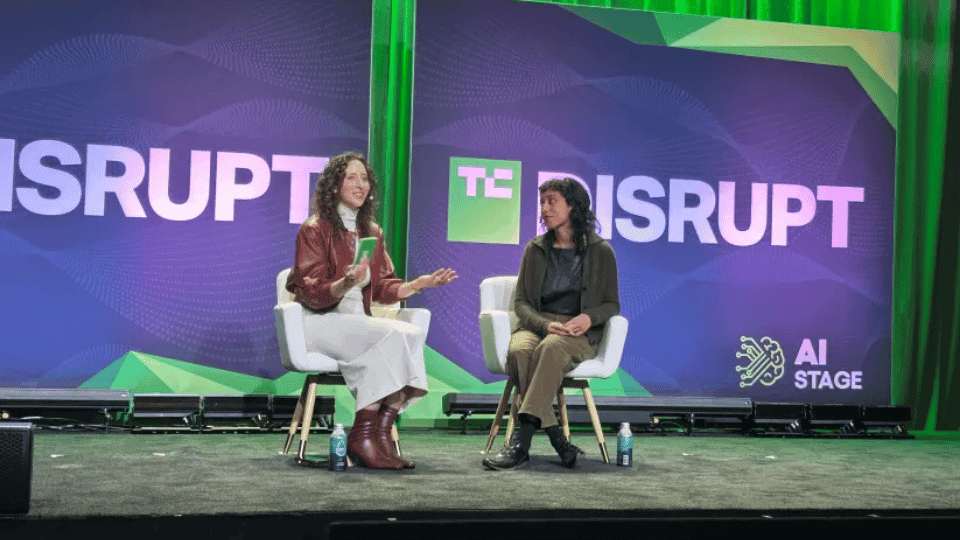
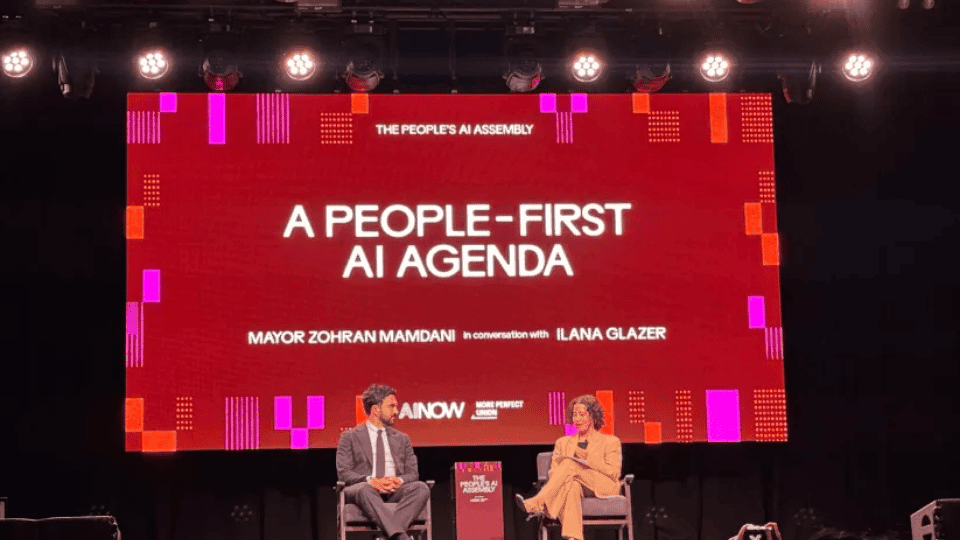
New York City Mayor Zohran Mamdani and activist Ilana Glazer joined forces at Webster Hall in Manhattan during “The People’s AI Assembly” to call out federal inaction on artificial intelligence regulation. Speaking before a crowded audience, Mamdani urged everyday citizens to push back against corporate tech expansion instead of feeling helpless. He warned that tech companies push synthetic tools into everyday life as an inevitable force, leaving local communities to deal with the fallout across schools, housing, and job markets.
The town hall, hosted by the AI Now Institute, zeroed in on how cities can establish local rules when federal regulators refuse to act. Mamdani stressed that tech adoption is not an unstoppable wave, and public officials must hold software developers accountable to protect working-class residents. Glazer, a parent and co-creator of the hit show Broad City, voiced deep concerns about how quickly algorithms entered public classrooms. She supported Mamdani’s recent ban on generative software tools in elementary and middle schools, pointing out how forced technology adoption in early education feels invasive and non-consensual for families.
City hall also targeted algorithmic manipulation across local real estate listings. Over the summer, Mayor Mamdani proposed local housing rules requiring landlords, real estate brokers, and digital rental platforms to disclose whenever property photos or videos use synthetic enhancements. The initiative aims to protect New York renters from altered apartment listings, preventing misleading digital staging from tricking tenants during housing searches.
Mamdani criticized national political leaders for abandoning basic consumer protections in favor of global tech dominance. He pointed out that federal discussions focus heavily on an international arms race against foreign rivals, ignoring local social impacts, job displacement, and human dignity. Recent policies from Washington, such as the newly formed Superintelligence Task Force, rely primarily on voluntary self-regulation from corporate labs like Anthropic, OpenAI, and Google DeepMind rather than enforceable federal safeguards.
The mayor pointed to real-world dangers created by over-relying on automated software systems without human oversight. He referenced a military strike in Iran that struck a school, killing over 150 people including at least 123 children. Internal defense investigations later revealed that targeting software failures directly contributed to the disaster. Mamdani argued that treat automated systems as infallible creates catastrophic risks, whether in military operations, social media moderation, or local public policy.
He compared current tech industry arguments to early social media platforms, noting that major tech executives consistently promise self-regulation to avoid public oversight while building massive market valuations ahead of initial public offerings. With Anthropic eyeing public markets and OpenAI preparing for future listings, Mamdani argued that commercial motives drive tech platforms to resist mandatory public safeguards.
Taking a stand at the local level offers cities a practical path to safeguard public interest. Banning synthetic tools in primary schools, enforcing truth in real estate advertising, and challenging reckless corporate adoption restores human agency. Mamdani emphasized that municipal leadership must step up, set firm boundaries, and put human dignity ahead of unchecked software growth.