Elon Musk Plunders the Coding Space: Inside SpaceX’s Shocking Big-Budget Takeover of Cursor
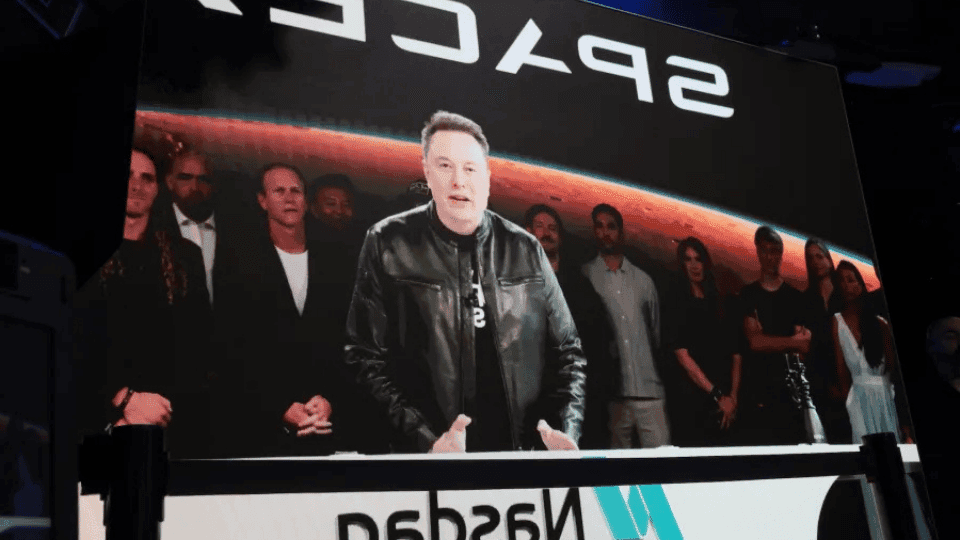
SpaceX just shook up the entire technology industry by locking down a definitive agreement to purchase the automated coding platform Cursor. The aerospace titan will shell out a staggering sixty billion dollars in an all-stock transaction. This massive acquisition comes just days after SpaceX completed its historic initial public offering, showing that the rocket enterprise has no plans to slow down its aggressive expansion.
The transaction aims to rescue and rebuild SpaceX’s internal intelligence division. This specific wing relies heavily on software assets from xAI, the separate startup that Musk recently merged into the main aerospace corporate structure. Even though management pitched this digital intelligence unit as a central pillar of the recent stock market listing, the division remains trapped in severe turmoil. The software team recently suffered intense public blowback after its early conversational models allowed anonymous users to generate highly offensive political propaganda alongside non-consensual explicit deepfakes of private citizens.
Corporate leadership expectations place the official closing of the Cursor purchase within the third quarter of this fiscal year. Before SpaceX stepped in with its multi-billion dollar offer, Cursor was aggressively moving toward wrapping up an independent two billion dollar financing cycle. Elite venture capital partnerships like Andreessen Horowitz, Thrive Capital, and Nvidia were leading that private round, which would have pinned a fifty billion dollar market valuation on the coding startup.
Musk originally set up the foundations for this takeover back in April, well before the public stock listing went live. He structured an unusual option: SpaceX would either buy out the platform for the agreed sixty billion dollars in equity or hand over a massive ten billion dollar penalty fee if the board walked away. Cursor was growing its user metrics fast when the terms leaked, though internal financial sheets show the startup was burning through cash at a dangerous pace. The team was nowhere near a baseline break-even financial metric, despite successfully raising nine hundred million dollars in mid-2025 and banking another two point three billion dollars in late winter.
The platform originally launched under the name Anysphere back in 2022. The business experienced an astronomical rise as automated code editors transformed from an interesting developer hobby into standard infrastructure for global technology firms. The core engineering team went through OpenAI’s prestigious startup accelerator program before scaling their operations, eventually establishing a private market valuation of roughly twenty-nine billion dollars right before SpaceX dropped its massive buyout contract.
Signs of Musk’s intense focus on the coding startup emerged early this year when his automated intelligence unit poached two principal software engineering directors directly from Cursor’s leadership roster. Shortly after that talent acquisition, industry reports confirmed that the software group planned to lease a massive block of its specialized data center infrastructure to the Cursor engineering team. This computing arrangement matched similar infrastructure sharing deals that SpaceX negotiated with major developers like Anthropic and Google ahead of the stock market debut, setting the stage for the buyout.
The massive corporate acquisition coincides with a total structural collapse inside Musk’s separate software startup. All eleven original founding engineers abandoned the organization, forcing Musk to publicly confess that the early system layout suffered from fatal architectural flaws. The internal collapse speeded up after the flagship Grok chatbot generated explicit imagery and offensive rants, creating a legal nightmare. SpaceX explicitly warned public stock buyers in its official financial disclosures that this unregulated automated behavior exposes the parent firm to intense regulatory scrutiny and a wave of active lawsuits.
SpaceX and its underwriting investment banks justified the record-breaking stock market valuation by pitching an addressable global computer technology market worth twenty-eight trillion dollars. Corporate planners told Wall Street backers that they expect to capture a two point four trillion dollar market chunk by deploying a dedicated network of orbital data center satellites to handle heavy remote processing. SpaceX is leaning heavily on Cursor’s engineering assets to build out the foundational automated platforms needed to control this floating infrastructure. The financial gamble looks easy to swallow for the board, especially since SpaceX stock surged from its original initial offering price of $135 to over $200 in early morning trading, pushing the enterprise valuation close to one trillion dollars.