How OpenAI Plans to Kill Simple Chatbots to Build the Ultimate Super App
OpenAI wants to change how you interact with your phone and computer. The artificial intelligence laboratory plans to roll out a heavily upgraded version of ChatGPT over the next few weeks. This update will turn the familiar chatbot into an all-in-one super app packed with advanced programming tools and autonomous digital agents, according to fresh reports from the Financial Times. The change means the era of just typing questions into a plain text window is coming to an abrupt end.
The main motivation behind this aggressive software overhaul is simple market competition. OpenAI needs to protect its market share against fast-growing rivals like Anthropic, who are fighting hard to win over lucrative corporate clients. By expanding what ChatGPT can do out of the box, the company hopes to secure steadier profit margins and clean up its financial balance sheets before launching a highly anticipated initial public offering. The leadership team intends to use this new interface as a direct sales funnel. It will guide casual, free users toward advanced, paid developer tools like their coding product, Codex. The shift is so radical that the Financial Times quoted a senior OpenAI employee who bluntly stated that traditional chat is dead.
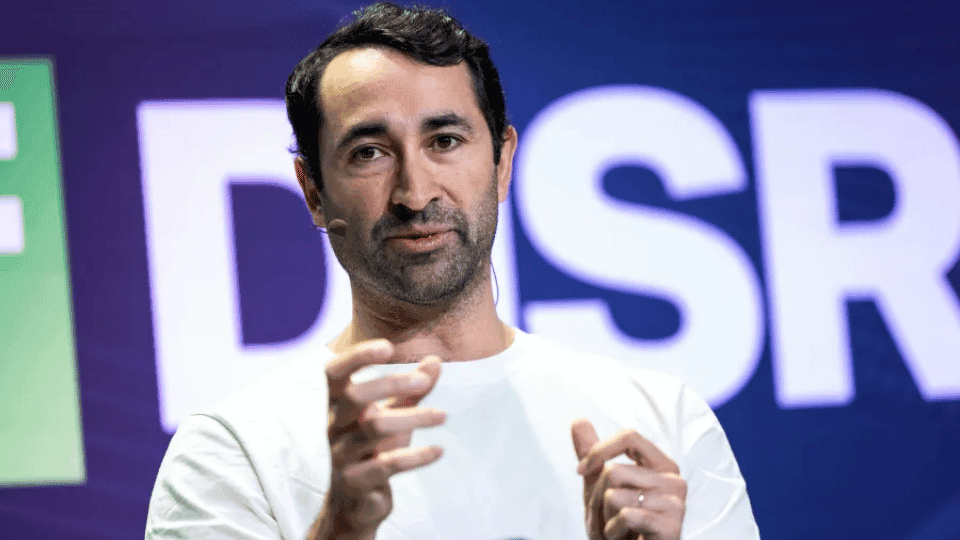
Thibault Sottiaux, the executive who leads OpenAI’s core product and software platform, shed some light on where this technology is heading. He explained that the development team is actively building toward a unified system. Instead of opening five different apps to plan your day, write code, or manage your business, you will use a single personal agent. This digital assistant will stay by your side to handle complex tasks across your entire life, whether you are dealing with personal chores at home or managing heavy workflows at your day job.
This strategic direction should not come as a total surprise to anyone who tracks the tech sector closely. Industry insiders have whispered about OpenAI’s massive super app ambitions since last year. However, the scale of this pivot became crystal clear back in March when The Wall Street Journal reported that these plans mark a fundamental strategy shift for the tech giant.
Throughout 2025, OpenAI spent a massive amount of time and capital launching a scattered variety of standalone services. Now, company executives openly admit they are abandoning those isolated projects, which they now refer to as side quests. This includes slowing down or shifting focus away from standalone media creation tools like their video generator, Sora.
Instead of building individual toys for niche audiences, the company is consolidating all its engineering power into one central ecosystem. They want to create a primary digital destination that handles everything from basic text responses to autonomous software execution. If OpenAI succeeds with this rollout, it will change how software developers build products and how regular consumers navigate the internet on a daily basis.