Keeping Apple Honest: The Real Reason This Year’s WWDC Demos Felt Different
The atmosphere at Apple’s 2026 Worldwide Developers Conference felt like a homeowner proud of finishing a long honey-do list. Rather than rolling out flashy, speculative concepts, the tech giant spent the keynote ticking off much-needed fixes. They fixed the messy layout in the default search tools, cleaned up the interface of the playground creation space, and made several other overdue design adjustments.
Most importantly, Apple finally showcased a functional, heavily upgraded version of its digital voice assistant. This rollout comes a full two years after the company first made grand promises about Siri but subsequently failed to deliver a smarter model to real devices.
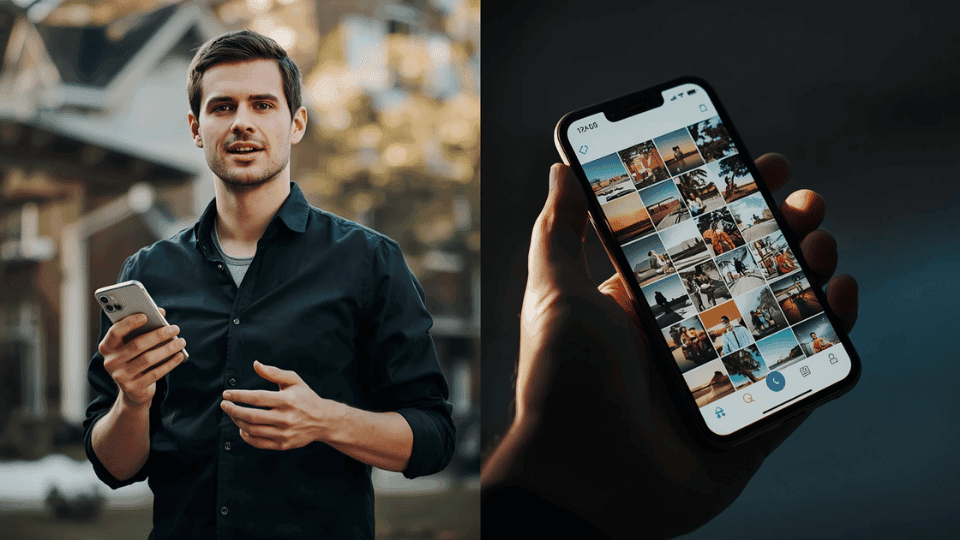
The most telling detail was not what Apple announced, but how they chose to present it. Most of the engineering demonstrations showed a presenter standing naturally with a phone in hand, pressing buttons or issuing voice commands in real time. Another camera angle stayed tightly focused on the device screen to display the immediate responses.
These were obviously pre-recorded videos rather than live on-stage software tests where things could easily break. Even so, the presentation style felt grounded in working reality. This stood in sharp contrast to the slickly produced promotional videos Apple used back during WWDC 2024, when it introduced Apple Intelligence alongside a brand-new Siri version. Those older videos felt more like high-concept fiction than a preview of software ready for consumer download.
The shift in presentation style caught the eye of developers online, with many comparing the latest footage to the heavily criticized vaporware demos of 2024. Back then, Apple claimed that consumers would get these advanced tools quickly if they bought an iPhone 15 Pro or any newer device running an M1 processor or better. By March 2025, executives had to admit publicly that shipping the features was taking far longer than anticipated. Shortly after, consumer groups slapped Apple with a major class-action lawsuit in federal court. The suit accused the tech company of false advertising regarding the features shown in that 2024 presentation, creating a dangerous reputation problem for a company built on the idea that its ecosystem just works.
To put the legal battle behind them, Apple agreed to pay a $250 million settlement without admitting to any underlying wrongdoing. The massive payout clearly shaped the design of the latest presentations. Apple engineers explicitly built the new demos to prevent another wave of lawsuits. They kept the format looking alive and natural, showing presenters using actual devices to send messages and transcribe audio. The clear message to the audience was that these tools exist on real hardware and will land on consumer devices soon.
Fortunately, Apple is not forcing users to buy the absolute newest phone to access these updates. The new version of Siri will roll out through the upcoming operating system update across older hardware like the iPhone 15 Pro and Pro Max, alongside all iPhone 16 models. Since the base iPhone 17 is the current standard model, most people who upgraded over the last two years will get access without buying a new phone. This serves as a quiet concession from Apple, ensuring they do not gatekeep features behind a hardware paywall after delaying them for two years. The new software will also land on a wider hardware lineup, including iPad mini models, iPads running M1 or newer, MacBook Pro models, Apple Vision Pro, and recent Apple Watch lines paired with an compatible iPhone.