Muting the Machines: How Universal Music and TikTok Are Scrubbing Fake Tracks
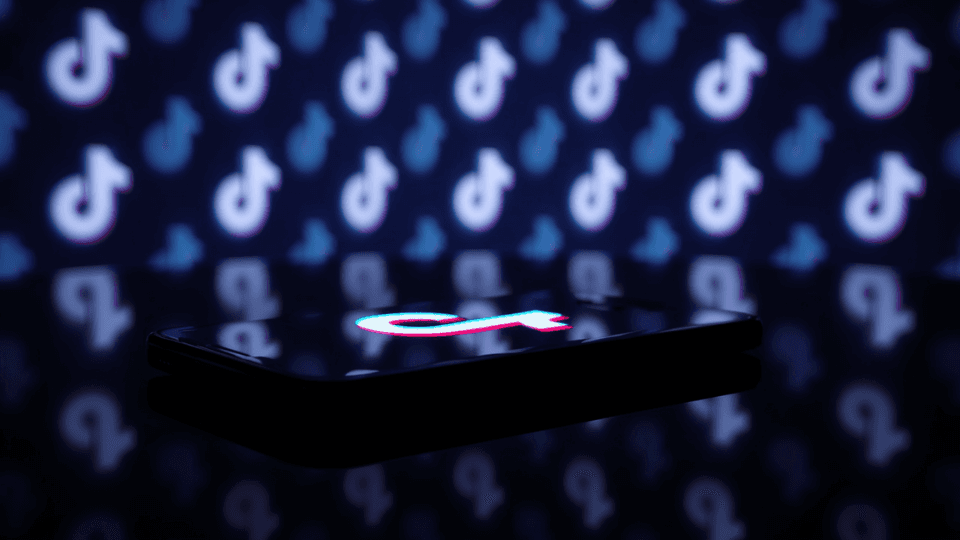
The music industry is fighting back against the tide of computer-generated songs. Universal Music Group and TikTok just signed a major new licensing deal to keep their business partnership alive. This agreement does not just cover standard royalties. It includes a strict, historic commitment to hunt down and remove unauthorized artificial intelligence music from the video-sharing platform. The two companies want to protect human artists, clean up copyright issues, and make sure songwriters get the proper credit and financial compensation they deserve.
This deal patches up a relationship that completely fell apart not too long ago. Back in 2024, tensions between Universal Music Group and TikTok reached a boiling point. The music label publicly accused TikTok of letting fake, AI-generated tracks flood its audio library without any consequences. When negotiations stalled, Universal pulled its entire music catalog from the app overnight. Millions of popular videos suddenly went completely silent, leaving creators without access to global hits from massive stars.
The Influx of Fake Artists
The music industry is currently drowning in a sea of synthetic audio clutter. Over the last couple of years, software developers have released powerful consumer tools that can effortlessly mimic an artist’s specific singing voice or generate entire instrumental tracks from a short text prompt. This technical shift has led to a massive wave of viral counterfeit songs.
Fake tracks imitating the voices of superstars like Drake and The Weeknd have racked up millions of streams on social video networks before copyright teams could take them down. These automated tracks pull real attention and royalty money away from actual human creators who spend months working in studios. By forcing TikTok to actively police its audio index, Universal is building a defensive wall around traditional copyright law.
A New Framework for Digital Media
This licensing pact will likely serve as a blueprint for how the rest of the entertainment industry deals with social media networks. Governments around the world are already stepping in to regulate machine learning technology. The European Union continues to tighten its legal grip on unapproved synthetic media, and several states in the US are passing similar laws to protect a person’s digital likeness. Social platforms can no longer look the other way while users upload copyrighted material modified by software.
TikTok is working hard to prove to major labels that its platform is highly profitable for human musicians rather than a threat to their careers. Last year, the app launched a dedicated analytics program called TikTok for Artists. This software hub gives musicians and music publishers direct access to real-time listener demographics and geographic data, helping them plan promotional campaigns and track viral audio trends. By combining these promotional data dashboards with strict content moderation policies, TikTok is trying to show that it can coexist with the traditional entertainment industry. The message to software developers is clear: if you want to use a human artist’s voice to train your model or back a viral video, you have to pay for it.