The Vatican Mandate: Why Pope Francis Wants Global Tech to Lay Down Its AI Weapons
The Pope is stepping directly into the global arena of artificial intelligence, and he is not holding back. In a major address, Pope Francis officially called on international technology leaders and world governments to disarm their most advanced AI models. Citing classic philosophical texts and invoking historical warnings, the head of the Catholic Church argued that humanity is racing toward a dangerous precipice. He believes that without an immediate, binding global treaty to restrict autonomous digital weapons and highly intrusive algorithmic surveillance, tech companies will seal our collective doom.
The Pope delivered his speech during an international security conference, where he spoke directly to a mix of diplomats, political leaders, and Silicon Valley executives. He made his core point simple: technology must always serve human dignity, not replace it or weaponize it. By framing the AI race as a moral crisis rather than a simple corporate competition, the Vatican is attempting to shift how the world regulates software developers.
Quoting Gandalf to Fight the Machines
To drive his point home to a younger, tech-savvy audience, the Pope did something highly unusual. He openly quoted Gandalf, the iconic wizard from J.R.R. Tolkien’s The Lord of the Rings. He referenced a famous scene where Gandalf refuses to take the One Ring, knowing that even if he intended to use its absolute power for good, the ring would ultimately corrupt him and destroy the world.
The Pope explained that frontier artificial intelligence models function exactly like that fictional ring. He argued that the temptation to deploy autonomous software for military dominance or corporate greed is simply too great for any single nation or company to manage safely. When a technology gains the ability to make life-or-death decisions on its own, it strips away human agency and moral accountability. The Vatican wants tech labs to recognize that some doors should remain permanently shut, no matter how profitable the underlying code might be.
A Stark Warning from the Front Lines
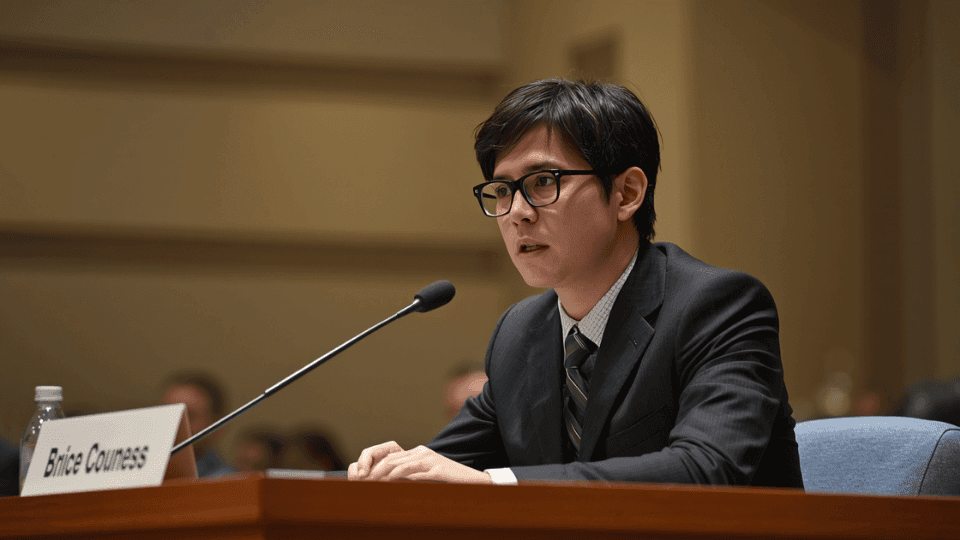
The religious leader’s concerns are shared by prominent technology experts who are actively watching the landscape shift. During the same panel, Dan Hendrycks, a leading computer scientist and director of an AI safety organization, echoed the Pope’s warnings. Hendrycks provided fresh data showing that modern defense groups are rapidly integrating autonomous algorithms into battlefield drone swarms and automated cyber warfare units.
He pointed out that the timeline for digital threats has compressed dramatically. Software systems can now discover network vulnerabilities, rewrite their own code, and execute attacks in fractions of a second, leaving human supervisors completely out of the loop. This rapid automation makes accidental escalation highly probable, as machines react to other machines at speeds that human brains cannot comprehend.
The Vatican is urging world leaders to execute a binding, multi-national non-proliferation treaty for advanced algorithms, similar to historical nuclear disarmament pacts. The Pope concluded his address by stating that true human progress does not come from building smarter weapons, but from developing the wisdom to govern our own creations. Tech labs need to stop writing blank checks for raw computing power and start investing in safety frameworks before they lose control of the physical stack entirely.