Riding the Tech Bubble: The Secret Winners of the Artificial Intelligence IPO Craze
The massive rush to push artificial intelligence companies onto the public stock exchange is hitting a fever pitch. While regular retail investors keep their eyes locked on the glamorous startup founders and the primary engineering masterminds, a completely different group of people is quietly celebrating behind the scenes. This massive wave of tech market listings is creating immense wealth for early venture backers, hidden secondary market brokers, and private equity syndicates.
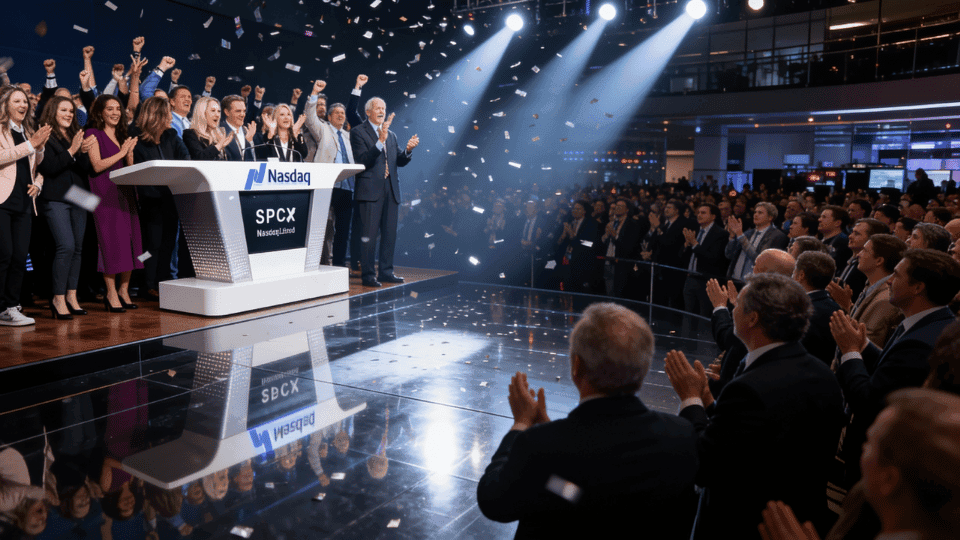
The upcoming public debut of SpaceX is serving as a historical baseline for this entire movement. Wall Street investment banks are underwriting the massive listing at a record breaking valuation, turning long term private shares into immediate, liquid cash. This sudden wave of liquidity allows early institutional backers to take their profits off the table and look for the next tech play.
The financial ripple effects extend far beyond the aerospace sector. For every giant tech corporation that makes its formal public market debut, a massive network of secondary market marketplaces stands to make millions of dollars in transaction fees. Platforms like Unicorns Exchange, Sabertooth Capital, and Forge Global have seen their trading volumes skyrocket over the last year. These intermediary groups match eager buyers with early tech employees who want to liquidate their stock packages ahead of the official listing dates.
The secondary markets are currently dealing with an intense deluge of capital, with private investors paying massive premiums just to secure a small allocation of stock before companies go public. This frantic trading environment allows brokers to charge heavy commissions on every transaction, making them some of the most profitable players in the current tech cycle.
At the same time, specialized fund managers who operate special purpose vehicles are cashing in on the intense market hype. These managers pool together money from smaller accredited investors to buy up large blocks of private shares, taking a hefty management fee on the way through. While downstream retail investors take on the ultimate risk of stock market volatility once the company lists, the vehicle managers secure their paydays regardless of how the stock performs over the long term.
This multi-layered setup has drawn intense fire from regulatory groups and consumer protection advocates, who argue that the lack of baseline transparency leaves smaller buyers completely exposed to hidden costs and structural manipulation.
The corporate layout becomes even more complex when you look at the major tech conglomerates that own massive, early-stage stakes in these startups. For instance, Google holds a massive chunk of equity in SpaceX that will likely pass one hundred billion dollars in value once the company hits the Nasdaq exchange. This massive balance sheet expansion gives legacy tech firms a giant war chest of cash, which they can redirect back into their internal artificial intelligence infrastructure or use to buy up emerging software competitors before they can scale.
Instead of building every tool from scratch, legacy tech giants are using their investment portfolios as a corporate shield, ensuring they retain a massive piece of the upside even if their internal development teams lag behind the startup market. As long as venture capital money flows freely and public markets continue to reward aggressive artificial intelligence narratives, this secondary financial ecosystem will keep thriving, minting a fresh wave of quiet millionaires before the public ever gets a chance to buy a single share.