The Cyber Playground: Inside the FBI’s Fake Town for Simulating Digital Warfare
The Federal Bureau of Investigation just lifted the veil on a 22,000 square-foot replica town built entirely inside its Huntsville, Alabama campus. The agency uses this hyper-realistic space to train law enforcement officers on how to investigate and push back against actual digital warfare.
The main goal is to get investigators out of theoretical classrooms and drop them into a hands-on, highly realistic environment. Trainees work directly with consumer and business technologies, the exact types of infrastructure that malicious hackers target every day. The hard numbers show why this setup is necessary. The FBI’s recent Internet Crime Report, which pulled data from over one million formal complaints, recorded a historic 20.9 billion dollars in digital crime losses. That represents a 26 percent spike compared to the previous year, with ransomware locking down its spot as the top threat facing critical national infrastructure.
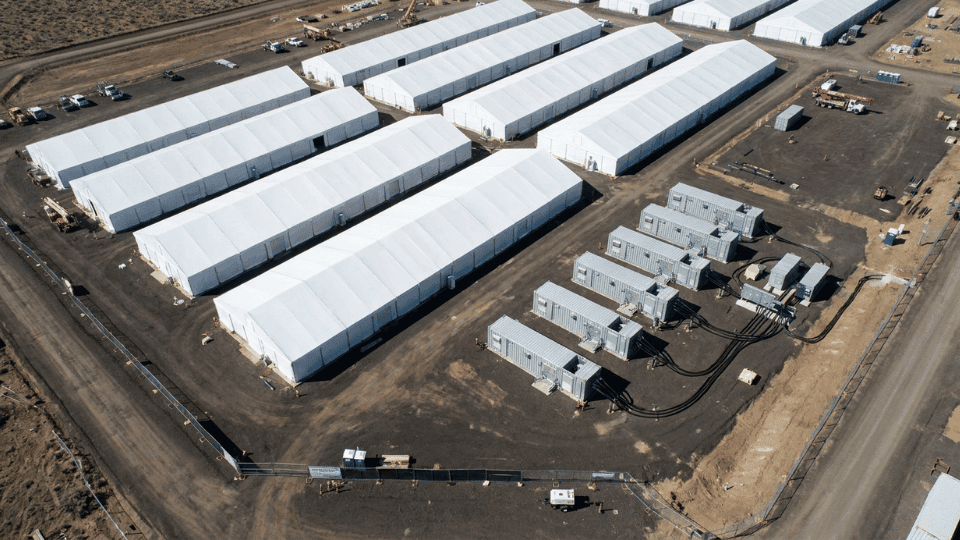
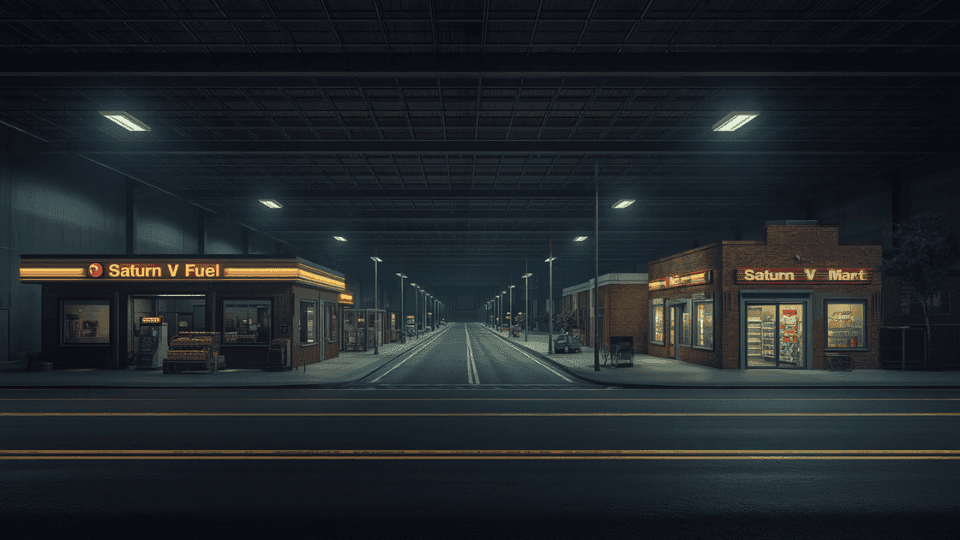
Officially named the Kinetic Cyber Range, this custom built mini-city opened its doors back in February 2025. The facility features fully furnished homes, a functioning hotel, a gas station, a local grocery store, a courthouse, a medical hospital, and an independent power company. The layout includes paved roads and working traffic lights, mimicking a standard American community. Since turning on the power, the agency has used the space to train over 1,400 students, including active FBI personnel and security partners from various federal and local municipal agencies.
Every single section of this replica town features live, wired devices and active data systems that behave exactly like a real corporate network or residential block. However, the engineering team built deep digital walls around the facility, ensuring that simulated malware attacks cannot leak out into the public internet.
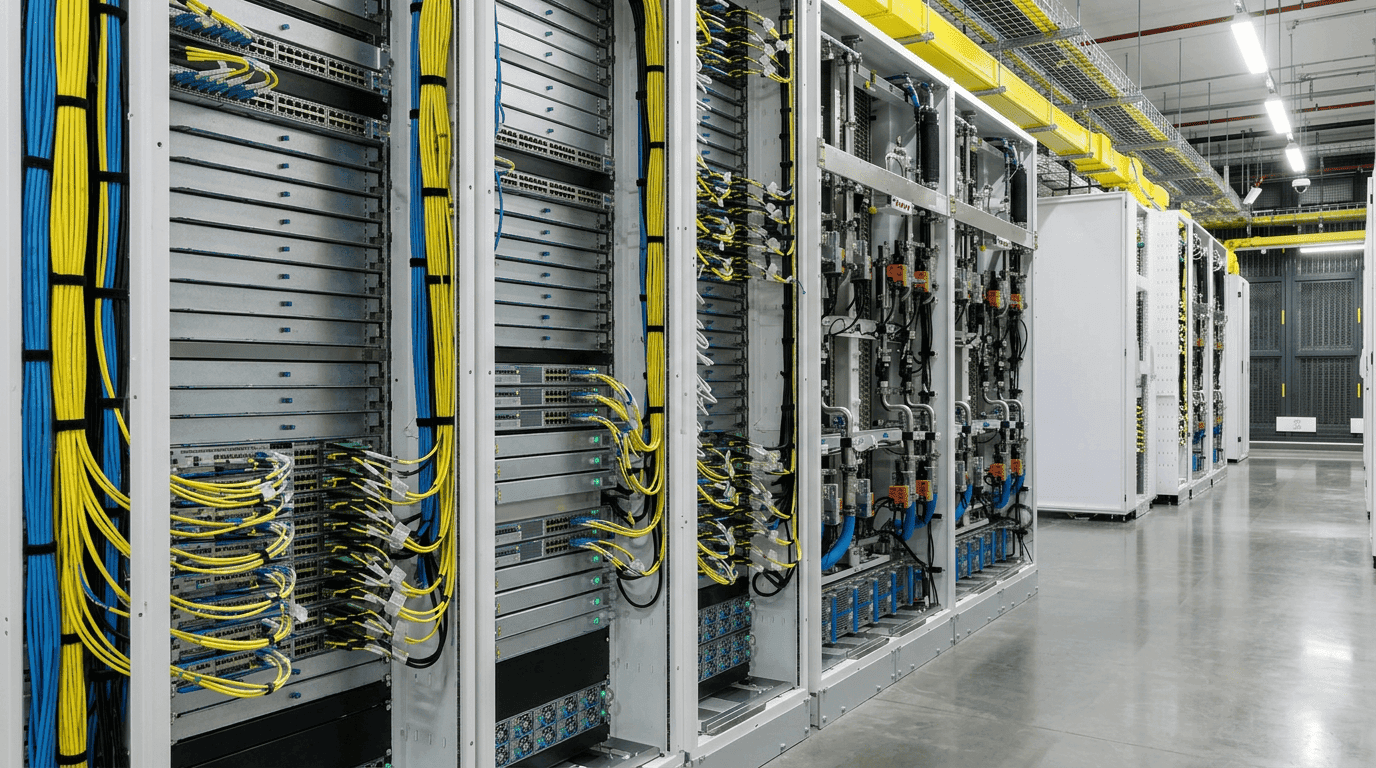
The fake town also hides a functional data center packed with more than 200 physical servers running a mix of Windows and Linux operating systems. This layout mirrors the messy, real-world corporate environments that investigators encounter during a major data breach or when executing an official search warrant. Dave Beachboard, the program manager for the range, explained that the server rooms match the stressful conditions of a real raid, noting that they are purposely kept cold, noisy, dark, and cramped to test the focus of the agents.
The controlled environment allows the bureau to safely stage massive ransomware infections and study the cascading real-world consequences of an attack. This setup forces trainees to make high-pressure decisions, like managing a simulated crisis where a hacker group cuts the power to a hospital system.
The facility also serves as a primary training ground for advanced digital forensics. Local police forces use these specialized methods to break past the security settings of encrypted consumer smartphones and extract vital evidence for ongoing criminal investigations. The software tools used inside the facility remain highly controversial in the tech community. Federal engineers regularly find and use zero-day security vulnerabilities that are never disclosed to phone manufacturers like Apple or Google, intentionally bypassing the built-in privacy protections that tech companies design for their global users.