The Four-Year Rule: Nicolas Sauvage and the Hunt for AI’s Unsung Heroes
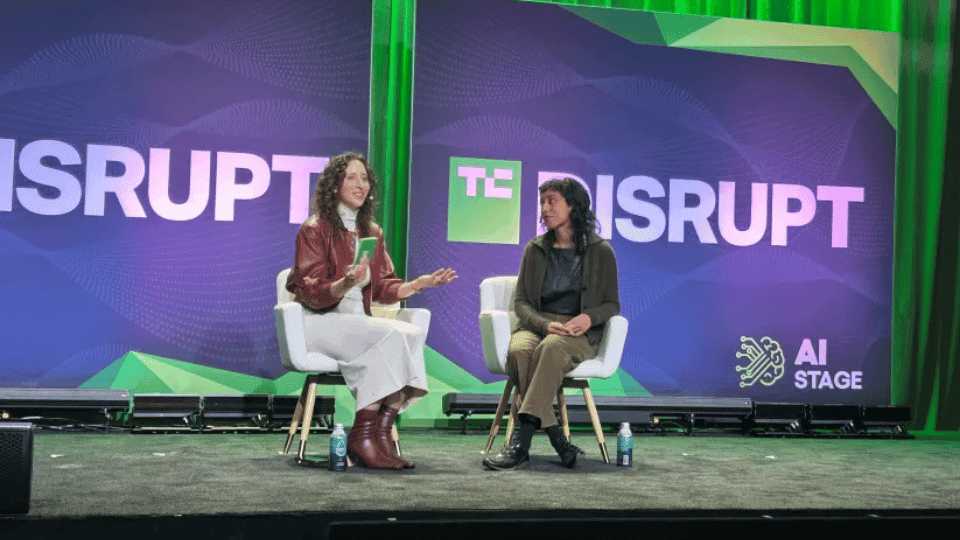
Nicolas Sauvage believes that the best investments take about four years to look like a smart move. He shared this idea recently at a major tech event in San Francisco hosted by TDK Ventures. It is a philosophy he has lived by since 2019, when he started the venture arm for TDK, the Japanese electronics giant. Today, he manages $500 million across four different funds, looking for the tech that everyone else is missing.
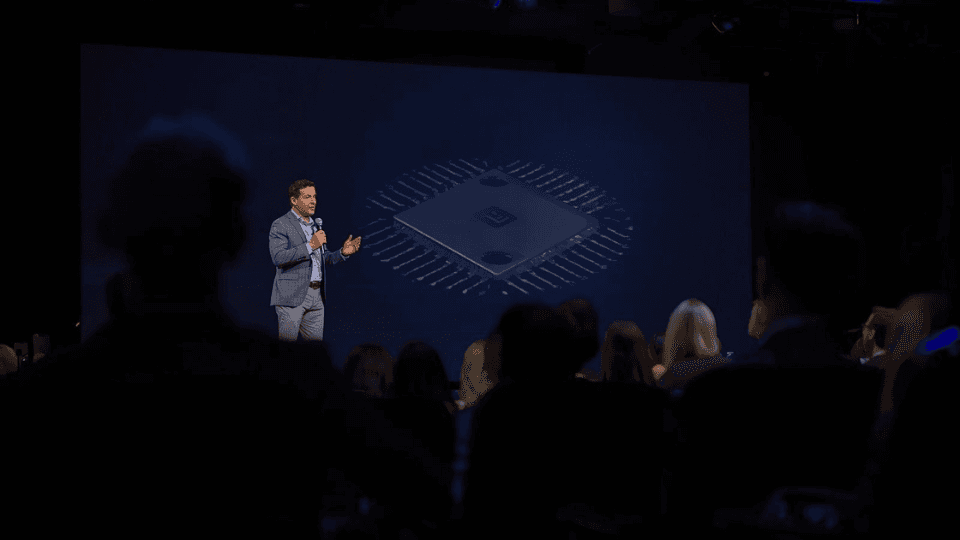
The clearest proof of his “four-year rule” is Groq. Back in 2020, long before the world went crazy for generative AI, Sauvage put money into this AI chip startup. Groq was built by Jonathan Ross, a former Google engineer who helped create the Tensor Processing Unit. While most people were obsessed with training massive models, Groq focused on “inference”—the part where the AI actually answers a person’s question. Ross stripped the chip architecture down to the bare essentials. As Sauvage says, the design is so tight that if you remove even one part, it stops working.
Betting on the Bottlenecks
Sauvage knows that while software gets the headlines, hardware hits the ceiling. Every new AI app and every bigger model adds more weight to the system. This creates a massive need for chips that can handle the load without burning through too much power or time. Years ago, this looked like a niche bet. Now, with AI agents running tasks across multiple platforms, it looks like a visionary move.
His path to this success was anything but easy. TDK is famous for magnetic tape, not for being a Silicon Valley power player. Sauvage, who is French, had to convince the bosses at TDK headquarters in Japan to let him start this fund. He did not speak Japanese and did not live in Tokyo, but he refused to take no for an answer. Eventually, they gave him the green light to find the “next big thing” for TDK—and the tech that might one day kill their current business.
From Robots to Salt Batteries
The portfolio Sauvage has built is full of tech that solves the “boring” but vital problems. He has backed companies working on solid-state grid transformers and sodium batteries for data centers. These technologies help the world move away from a risky dependence on lithium and cobalt. He looks for the bottlenecks that will slow us down four years from now and finds the founders already fixing them.
This same logic applies to his bets on robots. He is not interested in robots that try to do everything. Instead, he likes machines with a single, clear job. Agility Robotics, for example, makes robots that move boxes in warehouses to help with labor shortages. ANYbotics builds rugged robots that go into dangerous places where humans simply should not be. By doing one thing reliably, these robots solve real-world problems today.
The Next Frontier: Physical AI and China
Sauage is now watching the “compute stack” shift again. While GPUs currently rule the world, he thinks CPUs are about to have a comeback. They might not be the fastest, but they are the most flexible for the complex logic that AI agents need to manage tasks.
He is also keeping a close eye on China. He points to a trend called “vibe manufacturing,” where AI helps turn a physical design into a finished product at lightning speed. Chinese factories are using this to shrink the time it takes to build products in ways Western supply chains cannot yet match. For Sauvage, the countries and companies that master this physical agility will win the next decade. He is positioning TDK Ventures to be right in the middle of that shift.