The Human Guardrail: How World is Fixing AI Shopping
Sam Altman is a busy man. While one of his companies, OpenAI, is famous for filling the internet with AI content, his other venture, World, is trying to help us figure out who is actually a human. This week, the team at Tools for Humanity released a beta tool called AgentKit. It is designed to solve a massive problem in the new world of agentic commerce. This is the practice of letting AI programs browse the web and buy things for you.
We are quickly moving toward a future where you don’t click “buy” anymore. Instead, you tell an AI agent to find the best price on a specific pair of running shoes and order them. While that sounds like a dream for convenience, it is a nightmare for security. Websites are already struggling with bots, fraud, and spam. If millions of AI agents start hitting online stores to make purchases, how does a business know which ones are legit and which ones are part of a massive scam?
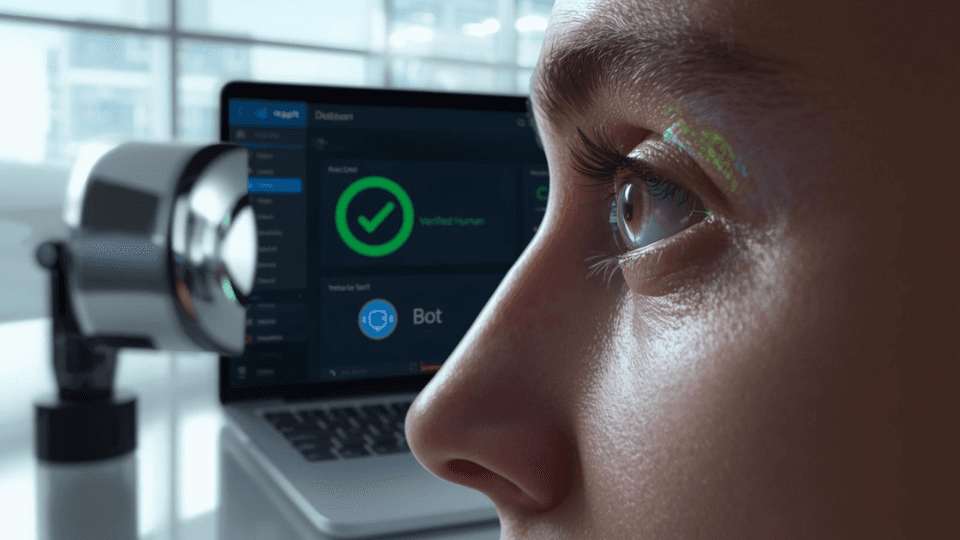
This is where AgentKit steps in. It is a software tool for commercial websites that lets them verify a real person is behind an AI agent’s decisions. The system relies on the World ID, which is the core of their verification tech. To get the most secure version of this ID, a user has to get their eyes scanned by a device called the Orb. This scan creates a unique, encrypted code that proves you are a living, breathing human without revealing your entire identity.
AgentKit connects this World ID to a new payment system called the x402 protocol. This protocol, built by Coinbase and Cloudflare, is a blockchain standard that lets computers talk to each other and trade money without a human stepping in at every single click. When you use AgentKit, you register your AI agent with your World ID. When that agent goes to a store to buy something, it tells the website that a verified human has approved the deal.
Tiago Sada, the Chief Product Officer at Tools for Humanity, says this is like giving your AI “power of attorney.” It doesn’t mean the website has to let the agent in, but it gives the store a reason to trust the transaction. They can see a badge that says a real person is responsible for whatever the bot is doing. If a specific user starts acting in bad faith, the store can still block them, but the “proof of human” tag makes the whole process much smoother for everyone else.
This move is perfectly timed. Huge companies like Amazon and Mastercard are already building automated buying features. Google even launched its own protocol recently to support this trend. As more of our shopping moves into the hands of AI, the industry needs a way to keep things stable and honest. World is clearly trying to become the standard for that trust. By providing a clear link between a digital agent and a physical human, they are trying to prevent the automated economy from turning into a playground for fraudsters. For now, the tool is in beta for developers to test, but it marks a major shift in how we will interact with the internet in the coming years.