The Reality Gap: Executive AI Hype Faces Strong Consumer Pushback Over Forced Optimization
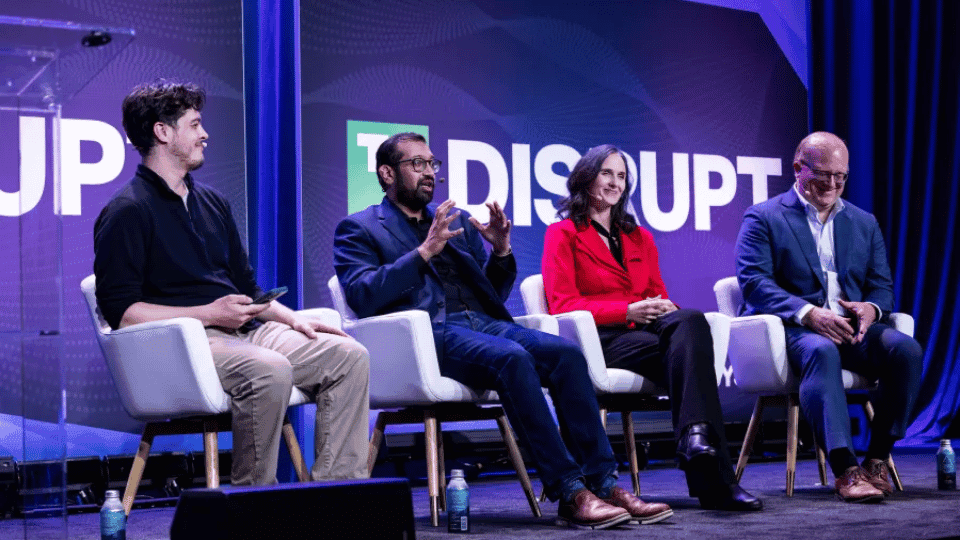
Tech executives continue to face public backlash for out-of-touch statements regarding artificial intelligence in everyday life. Recent comments from industry leaders highlight a growing divide between executive boardrooms and average consumers. Dazzle AI Chief Executive Officer Marissa Mayer drew sharp criticism after suggesting that automated tools will streamline personal relationships and household management, echoing a trend of tone-deaf statements from Silicon Valley founders.
The disconnect stems from how different groups view automation. For high-level executives, automated assistants take over routine scheduling, aggregate long document feeds, and speed up administrative tasks. Software tools genuinely simplify heavy executive workloads. However, tech leaders often make the mistake of assuming that everyday workers and consumers want every human experience optimized by software algorithms.
Dating platforms and personal communication tools serve as prime examples of this cultural tension. Industry founders argue that dating is inherently inefficient, pitching automated agents that can screen prospective partners or hold preliminary conversations on behalf of users. While tech leaders frame automated dating as a convenient timesaver, many consumers find the idea off-putting. Outsourcing personal conversation, social interaction, and relationship building to synthetic bots removes the organic human element from daily life.
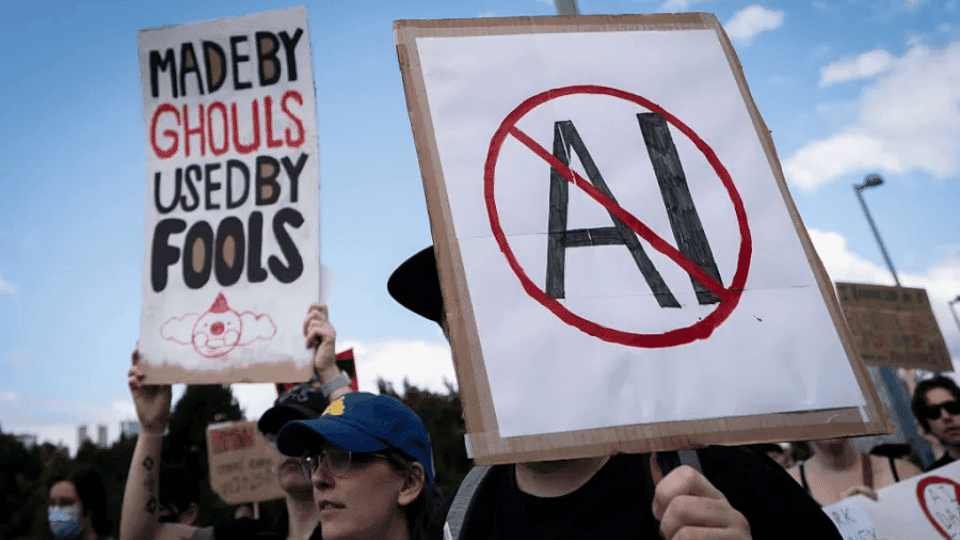
This push to digitize every human interaction is driving a noticeable cultural counter-movement. Rather than embracing total automation, a growing number of consumers are intentionally stepping back from algorithm-driven products. Sales of basic flip phones, physical vinyl records, and audio CDs continue to climb as people look for relief from constant digital notifications and algorithmic feeds. People want to live their own lives, make their own mistakes, and manage their own families without software platforms stepping in to optimize every moment.
Silicon Valley has historically relied on a simple adoption strategy: win over tech-savvy early adopters first, then watch mainstream consumers follow. However, that playbook is hitting a wall with generative artificial intelligence. When tech companies push tools that attempt to replace human conversation, creative expression, or personal decision-making, consumers push back. Users are beginning to question whether constant software optimization adds real value or simply strips away meaningful human experiences.
To build lasting products, tech developers must recognize the limits of total automation. Designing software to handle tedious administrative tasks makes sense, but trying to automate human connection, parenting, and social relationships creates friction. Balancing functional utility with genuine respect for human agency will determine which technology platforms earn public trust over the coming decade.