Open Door Commerce: Walmart Welcomes AI Buyers While Amazon Slams the Gate
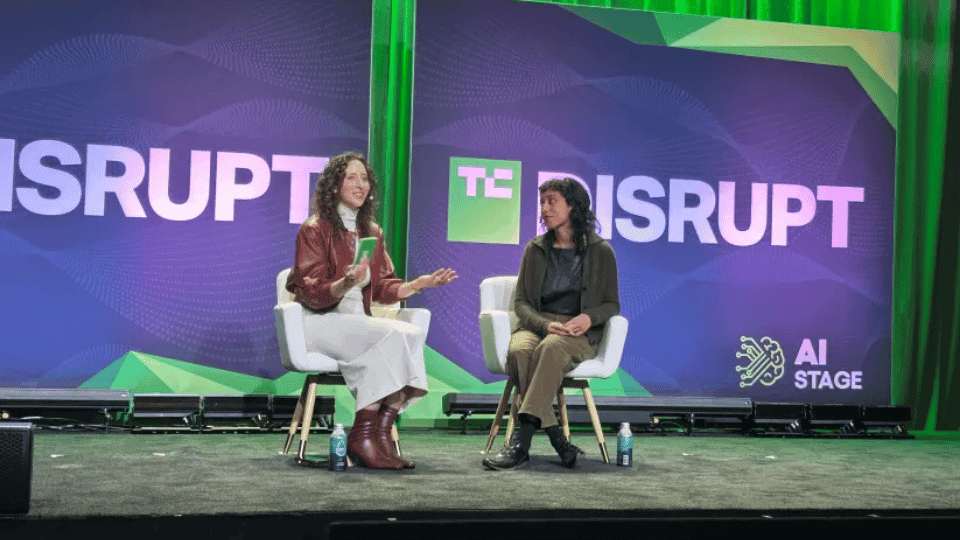
Walmart launched its new Agent Gateway platform to connect third-party AI assistants directly into its inventory and checkout systems, taking the opposite path from e-commerce rival Amazon. While Amazon recently blocked automated software agents from completing online transactions on behalf of human shoppers, Walmart is actively building open infrastructure to accommodate autonomous buyers. Speaking at the Masters of Scale Summit in San Francisco, Walmart President and CEO John Furner announced that the retailer is preparing for a future where autonomous digital agents handle routine consumer shopping trips across both Walmart and Sam’s Club.
The new system relies on Walmart’s Agent Gateway, a dedicated server running Anthropic’s Model Context Protocol (MCP). The open protocol connects external software agents, custom tools, and automated workflows directly to Walmart’s product catalog. Using this setup, approved agents can search real-time stock levels, check local store pricing, and complete purchases on behalf of users. Additionally, Agent Gateway allows software assistants to search for products based on a user’s favorite brands without forcing customers to share personal account details, private address records, or past order histories directly with the AI company.
To give consumers clear control over automated transactions, Walmart is rolling out Agent Profiles next month. The feature functions like adding an authorized user to a credit card. Users can view dedicated profiles for each connected agent inside their main Walmart account, set custom spending limits, and decide whether each purchase requires manual confirmation or automatically executes up to a specific dollar amount. Account holders can delete an Agent Profile at any time to cut off access immediately, and the feature works for all standard Walmart accounts without requiring a paid Walmart+ subscription.
Alongside its technical rollout, Walmart established clear legal terms specifically governing automated agent transactions. The rules state that standard store return policies apply to agent-initiated orders, protecting buyers if an automated assistant orders the wrong item or misinterprets instructions. Guaranteeing standard return rights helps lower risk for early adopters testing agentic e-commerce. Furthermore, the terms explicitly forbid agents from accessing payment information beyond immediate transaction data, collecting unneeded user records, or taking actions outside explicit user instructions. Walmart will block any non-compliant software agent from accessing its website servers.
Walmart’s open policy sets it apart from major retail and travel platforms that block automated web scrapers and digital purchasing tools. Walmart previously partnered with major AI platforms, including Meta’s Muse, ChatGPT, and Gemini. Welcoming external bots gives Walmart an early advantage as consumers increasingly turn to conversational assistants to handle household errands, product comparisons, and repeat grocery orders.
Welcoming autonomous agents while establishing strict spending controls creates a practical model for digital retail. As consumers shift from traditional browser searches to conversational buying, retailers that provide open, secure connection points will capture automated sales flows. By pairing open protocol access with user-controlled spending caps, Walmart positions itself at the center of next-generation digital commerce.