Clone Yourself: Google Vids Lets You Drop Custom Avatars Into AI Projects
OpenAI might have closed down its famous Sora platform, but the tech world is not giving up on automated video creation. Google just announced a massive software update to its browser-based creation tool, Google Vids. This fresh upgrade lets you become the star of your own computer-generated movies. By simply uploading a basic portrait selfie and a short audio clip of your voice, the system builds a custom digital twin. The resulting avatar mimics your facial movements and talks exactly like you, letting you generate video clips without ever stepping in front of a camera lens again.
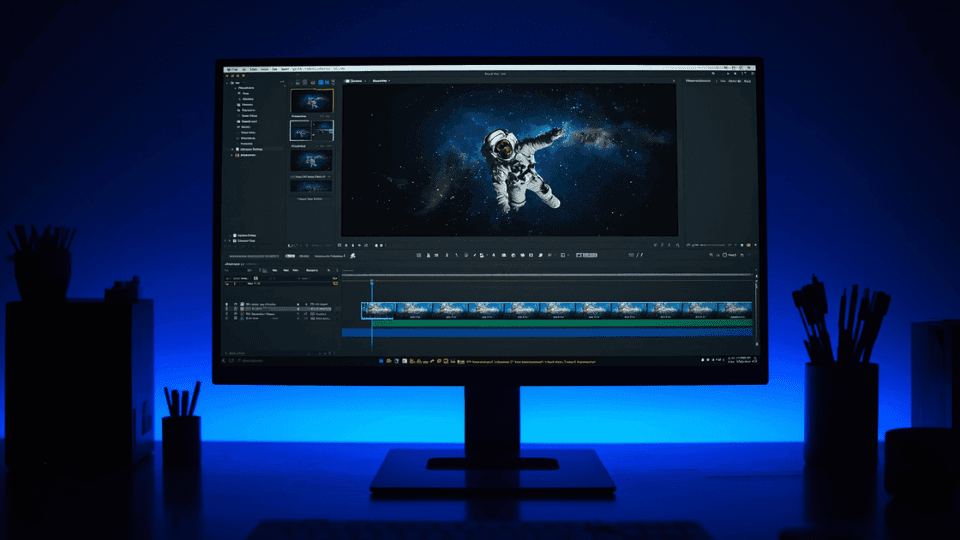
The search giant is also weaving its highly advanced multi-modal system, Gemini Omni, directly into the video dashboard. This upgrade allows you to build complete media files by combining typed text instructions with your own reference images. The software processes these different files together to build the exact visual scene you describe. You can use the engine to alter your existing smartphone videos too. Users can instantly swap out messy backgrounds, correct bad indoor lighting, or drop cinematic visual effects into raw footage.
The biggest workflow improvement is the new step-by-step editing feature. In the past, if a clip looked slightly off, you had to throw away the project and start the generation process from scratch. Now, you can make precise, gradual changes to a single scene as you work. This saves hours of processing time and gives you tight control over the final visual output.
This update pushes Google Vids far beyond its original purpose. The software started as a simple corporate tool to help office workers build basic slide presentations. By expanding the platform into an all-in-one media creator, the tech giant wants to change how businesses communicate. Companies can use these realistic digital clones to roll out quick management updates, create scaleable training videos, or build personalized marketing messages for clients. This new layout puts Google in direct competition with established commercial video startups like HeyGen, Synthesia, Captions, and D-ID.
Google is putting strict safety guardrails on this technology to stop people from generating malicious deepfakes. The software locks each digital clone to the specific user’s verified Google account. You can only build a twin using your own image and voice. To stop people from impersonating famous executives or politicians, the system applies an invisible digital watermark using Google’s SynthID technology. This tracking mark proves the clip came from an automated tool, stopping pranksters from creating fake videos of corporate leaders like Sundar Pichai. The company is also limiting access to adults, making the feature available only to users who are eighteen or older and live in approved geographic regions.