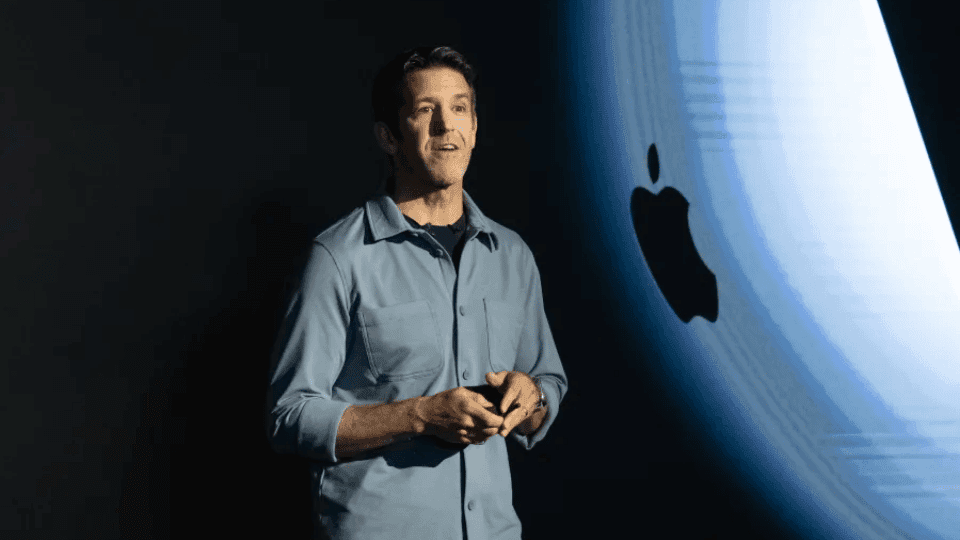
Crown Passed: John Ternus Takes Control as Apple Names New Chief Executive
After leading the world’s most valuable tech brand for 15 years, Tim Cook handed off the chief executive role to John Ternus. Before taking the top job, Ternus served as Apple’s senior vice president of hardware engineering. While average consumers might not recognize his name immediately, industry insiders tracked him as the top internal candidate for years.
Ternus steps into the leadership role at a defining moment for the company. Next week, Apple introduces its newest iPhone lineup, featuring its initial wave of Apple Intelligence software tools designed to match competition from Google and OpenAI.
Cook praised his successor during the transition, highlighting his engineering background and leadership style. Cook will transition out of daily executive operations while remaining at the company as executive chairman.
Ternus brings a quarter century of internal experience to his new position, having worked at Apple for nearly 25 years. He originally joined the product design team in 2001 after working on early virtual reality displays at Virtual Research Systems. He rose through the executive ranks over the years, becoming vice president of hardware engineering in 2013 before taking over the top hardware engineering role in 2021.
Company observers expected this leadership change. Insiders regularly viewed Ternus as Cook’s natural successor, giving Apple much-needed stability at the top. The tech giant has relied on only three chief executives across its entire operational history, making executive continuity a core company trait.
Colleagues describe Ternus as a quiet, precise leader who keeps his focus strictly on engineering execution. During a podcast interview, he reflected on the core work values he learned during his early years at Apple, emphasizing the importance of staying open to feedback and asking questions when solving complex engineering problems.
Over his long tenure, Ternus led hardware engineering for Apple’s most successful product lines. He directed development teams behind various iterations of the iPhone, iPad, and Mac, while managing initial hardware design for the Vision Pro headset. He also guided the engineering teams that built custom Apple Silicon chips, replacing Intel processors across the entire Mac computer lineup.
Most recently, Ternus oversaw hardware production for the MacBook Air, leading efforts to build thin, lightweight laptops that run quietly without active cooling fans. In interviews discussing product hardware, Ternus emphasized that building high-quality products requires building fresh technologies from scratch rather than taking shortcuts.
As chief executive, Ternus faces significant challenges. He must steer Apple through intense regulatory scrutiny across multiple global markets while finding new growth avenues beyond traditional smartphone sales. He must also figure out how to scale spatial computing headsets like the Vision Pro into mass-market devices.
Public records show that Ternus donated money to Democratic candidates in previous election cycles, including a contribution to Senator Thomas Carper in 2023. Outside of work, Ternus keeps a low profile and avoids personal public attention.
Transitioning from a pure engineering director to chief executive officer requires managing legal pressure, global supply chains, and investor expectations. Because Ternus built his career inside Apple’s design labs, he understands how the company develops hardware from initial prototype to final production. That deep technical experience gives him a clear blueprint as he leads the tech giant into its next operational era.