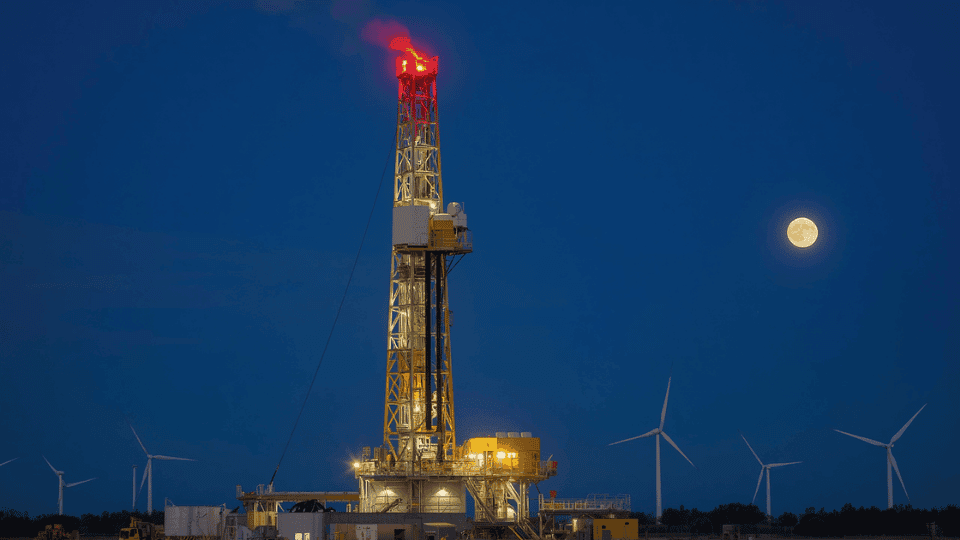
Deep Earth Power: Google Locks Down 400 Megawatts of Geothermal Energy From Fervo
Google signed a massive clean energy agreement to purchase nearly half a gigawatt of continuous electricity from geothermal startup Fervo Energy. Under the terms of the deal, Google committed to buying 396 megawatts of power from Fervo’s Cape Station plant in Utah. This new energy source will directly feed a planned Google data center facility being built in the region.
The contract also includes an option for Google to purchase an extra 600 megawatts through June 2030. If Google exercises that full option, its total power draw from the Utah site will reach nearly a full gigawatt. Fervo expects electricity from the initial phase of the Cape Station facility to begin flowing onto the local power grid in 2028.
Big tech companies are searching across North America for massive supplies of reliable electricity. Tech giants need constant power to run giant server farms that process artificial intelligence workloads. Google previously pledged to reach net-zero carbon emissions across all its operations by 2030, relying on wind farms, solar fields, large battery banks, and deep geothermal wells.
However, meeting those clean energy targets became much harder earlier this year. In April, Google signed an agreement with data center developer Crusoe to source 933 megawatts of natural gas power in Texas. Buying fossil fuel energy raised serious questions about Google’s climate commitments. Securing zero-emission electricity from Fervo helps Google expand its computing footprint while keeping its green energy goals on track.
Fervo holds official government permits to build up to two gigawatts of geothermal capacity at its Cape Station location. Sarah Jewett, senior vice president of strategy at Fervo, stated that underground heat testing shows the Utah site contains enough geothermal heat to produce double that amount.
If engineers fully develop the site to generate four gigawatts, Cape Station alone would double the total geothermal power capacity of the entire United States. A recent report from the Department of Energy indicates that advanced geothermal tech could generate up to 57 terawatts of electricity nationwide by drilling deep into hot rock layers.
Unlike traditional geothermal setups that rely on finding rare natural underground steam reservoirs, enhanced geothermal technology drills deep into solid rock. Workers pump fluid down deep wells to fracture hot rock, creating artificial reservoirs that heat the water. Pumping that heated liquid back to the surface turns steam turbines, generating clean electricity without relying on weather conditions.
This major agreement expands a five-year working relationship between Google and Fervo Energy. Google previously purchased electricity from Fervo’s early test facilities and backed the startup through early funding rounds before Fervo completed its public stock market debut.
Financial markets reacted fast to the announcement. Fervo stock jumped by roughly 30 percent in early morning trading before easing slightly as traders locked in profits later in the day.
Securing steady energy remains the single biggest hurdle for companies building large data hubs. Solar panels produce power only when the sun shines, and wind turbines depend on shifting weather. Deep geothermal wells supply steady electricity every hour of the day, making them a perfect fit for energy-hungry server clusters. As energy demands soar, deep-drilling geothermal projects will help power the future of digital computing.