Navigation Rebel: MapQuest Takes Top Spot After Rejecting Lake Renaming Order
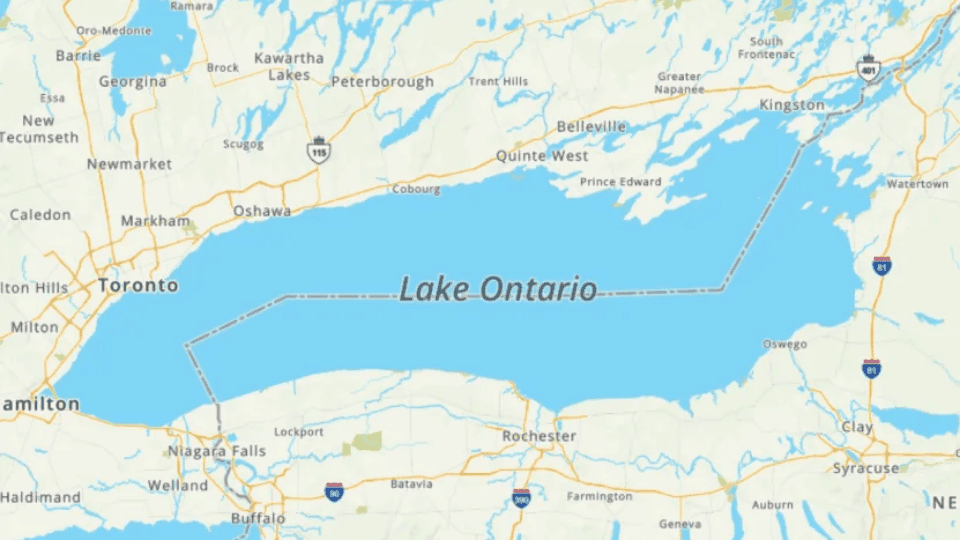
MapQuest claimed the top overall position on the U.S. App Store, completing a massive comeback for the legacy navigation software. The sudden surge in application downloads follows the company’s public refusal to rename Lake Ontario as Lake America following an official executive order directing federal geographic naming databases to update the landmark name.
While competitors like Google Maps and Apple Maps updated their digital labels to match federal guidelines, MapQuest posted an official statement on social media confirming it would keep the original geographic name. That decision sparked an immediate wave of viral user support across mobile app marketplaces.
App store rankings show MapQuest climbing rapidly from rank 126 in late August up to the top overall position across both free applications and mobile games. Market intelligence figures from Sensor Tower estimate that users downloaded the application over 632,000 times in the United States alone during the download surge, with total installs topping 1.5 million across North America.
MapQuest General Manager Doug Berger confirmed that new users are actively using the navigation tools, submitting bug reports, and requesting fresh features. Over half of MapQuest’s total downloads for the entire year occurred during the week following its decision to reject the geographic name change, marking a 50-fold jump compared to the same period last year.
Unlike big technology firms that update map labels automatically based on government Geographic Names Information System updates, smaller independent app developers hold greater flexibility to take public stands on controversial naming decisions. MapQuest previously kept the Gulf of Mexico label on its maps despite similar renamings, and recently released a custom web tool letting users type in personalized labels for Lake Ontario to share across social networks.
MapQuest originally dominated the online digital mapping market before losing dominant market share to Google Maps and Apple Maps over the past decade. System1 currently owns the digital mapping service, having acquired the property from Verizon in 2019 after Verizon originally absorbed AOL in 2015.
When tech giants follow government directives without question, consumer frustration often builds up quietly. MapQuest took a different path by standing firm on traditional place names, turning a simple mapping feature into a massive marketing win. Users rewarded the app by choosing to download and use a classic tool they had ignored for years.
Viral app moments rarely last forever, but MapQuest now has a huge pool of new active users. Keeping those users long-term requires turning initial viral curiosity into reliable daily navigation tools. If the engineering team can deliver fast routes and clean updates while maintaining its independent voice, MapQuest could lock in a lasting comeback against its well-funded tech rivals.