Silicon Supremacy: SpaceX Secures Record $40B GPU Financing Package to Scale Compute Heavyweight
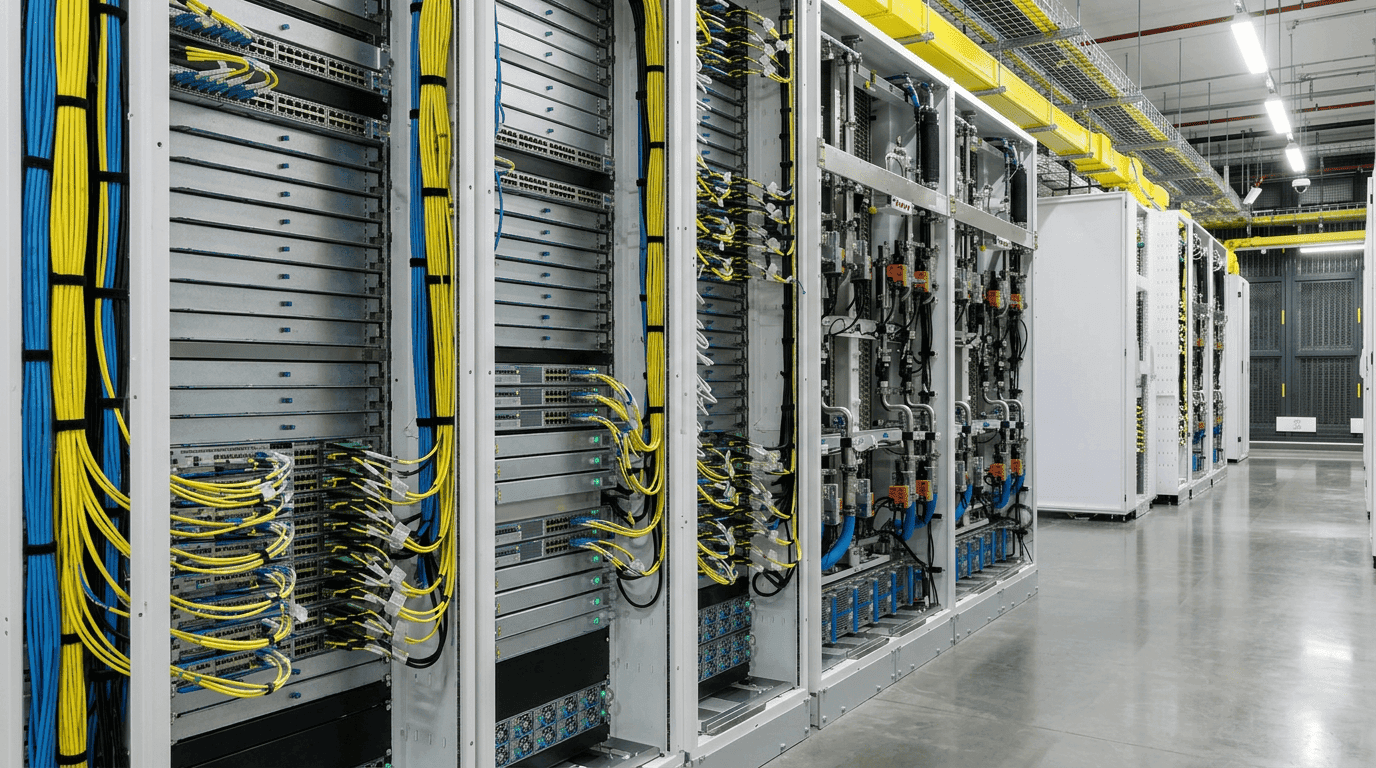
SpaceX reached a binding agreement for a $40 billion financing deal with Apollo Global Management to fund massive purchases of advanced artificial intelligence chips and data center hardware. The aerospace and technology giant called the agreement the largest committed GPU financing deal in industry history. Under the structure of the deal, an investment entity managed by New York private equity firm Apollo Global Management will buy high-performance processors and server racks directly from suppliers and lease them back to SpaceX. Each lease tranche runs for approximately five and a quarter years, starting as physical hardware batches arrive at data center locations.
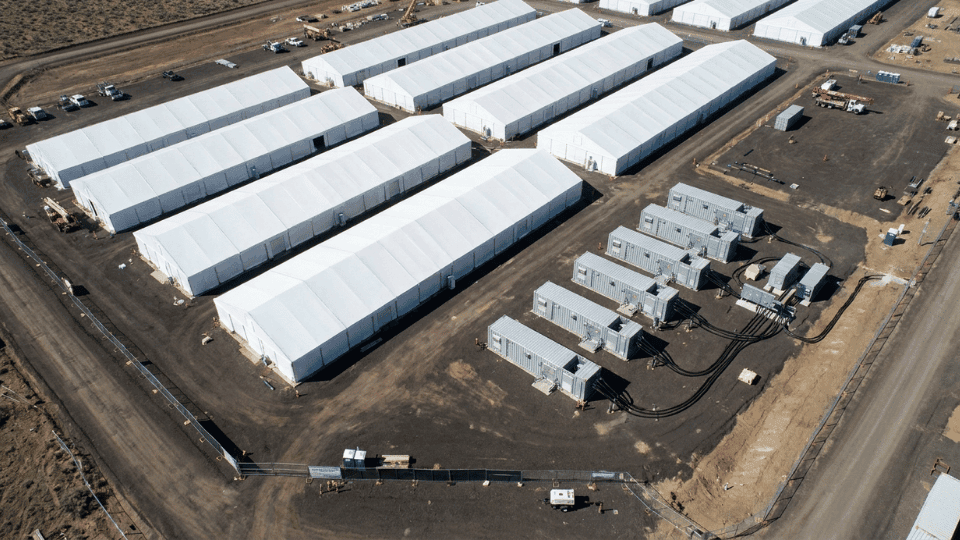
SpaceX expects the deal to close by the end of the year, subject to standard closing conditions. Hardware shipments and active lease terms will start in the first half of 2027 as servers go online. The custom lease model gives SpaceX a flexible funding source to expand data center capacity without relying exclusively on traditional corporate bond markets or equity dilution. SpaceX Chief Financial Officer Bret Johnsen stated that the structure addresses a significant portion of required infrastructure funding, adding that internal revenue streams show less than one-year payback periods on AI assets as compute demands grow for Grok and cloud services.
Apollo noted that the $40 billion funding pool will directly secure Nvidia’s next-generation Vera Rubin chips to power SpaceX’s terrestrial compute buildout. The massive equipment purchase comes as SpaceX ramps up capital spending across its core divisions, balancing heavy data center expansions alongside Starlink satellite deployments and ongoing Starship launch testing.
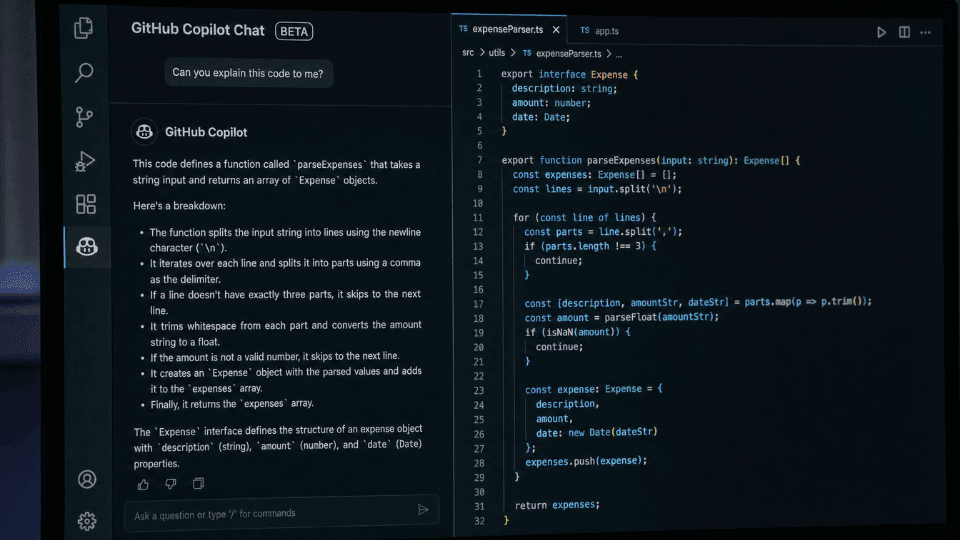
The massive financing deal follows an outstanding third quarter for SpaceX’s Super Intelligence unit. The business segment, which includes the Grok AI platform, the Cursor coding assistant, and cloud compute rentals, beat Wall Street targets by generating $7.6 billion out of SpaceX’s total $14.6 billion quarterly revenue. The Super Intelligence division officially surpassed both Starlink connectivity earnings and rocket launch revenue combined.
To support this rapid growth, quarterly capital expenditures surged to nearly $20 billion, up from $6.9 billion a year earlier. During a recent earnings call, Johnsen forecasted that SpaceX will spend between $35 billion and $40 billion on capital projects in the fourth quarter alone. Securing a dedicated $40 billion equipment lease arrives at a crucial moment, especially as broader debt markets grow cautious over ballooning capital spending and thin profit margins across pure-play artificial intelligence startups.
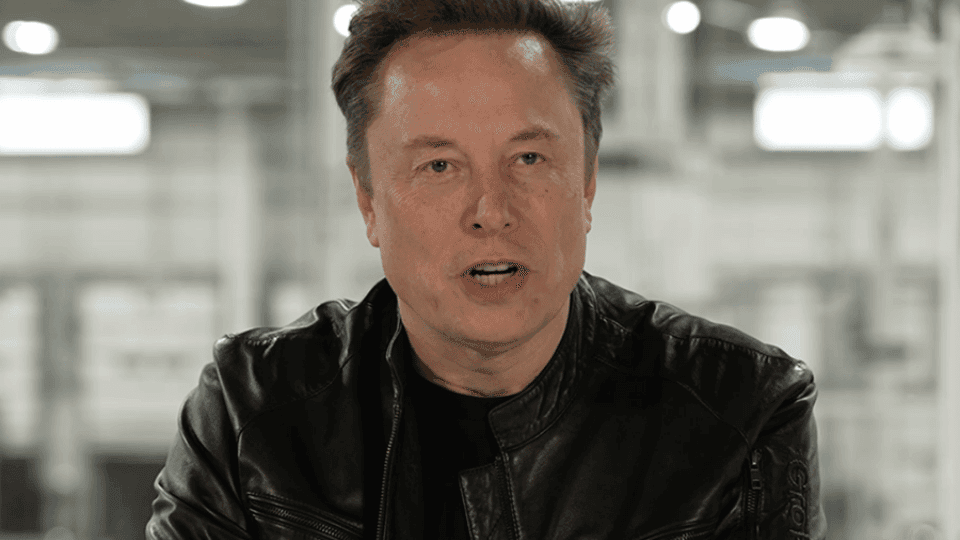
While SpaceX secured private equity backing with ease, Chief Executive Officer Elon Musk used the $40 billion announcement to highlight advantages over pure-play AI rivals. Musk pointed out that SpaceX holds an investment-grade credit profile supported by steady cash flows from Starlink satellite subscribers and government rocket launches. He argued that traditional debt markets have closed their doors to independent AI companies that lack diverse revenue streams outside of raw cloud rentals.
Musk warned that over 200 specialized neocloud providers operating without strong core businesses face severe financial pressure and market consolidation. He noted on social media that pure-play compute vendors face massive failure rates as capital costs rise, predicting that only a small fraction of specialized cloud operators will survive. By pairing steady commercial revenue from space operations with creative private lease financing, SpaceX positions itself to build global data center scale without straining its balance sheet.