Siri Gets a Brain Transplant: Apple Drops iOS 27 Public Beta to Battle ChatGPT
Apple is opening the gates to its biggest virtual assistant upgrade in history. With the launch of the iOS 27 public beta, anyone can now test the brand-new, highly intelligent Siri before the official release goes live later this autumn. This rollout marks the very first time Apple has put its advanced conversational assistant into the hands of ordinary users rather than keeping it locked behind closed developer doors. Apple has over 2.5 billion active devices running worldwide, which means even if a tiny group of users installs this test software, it will still serve as the biggest real-world test for Apple’s new conversational tool. The company wants to show the world that it can finally go toe-to-toe with major chatbots like ChatGPT, Claude, and Google Gemini.
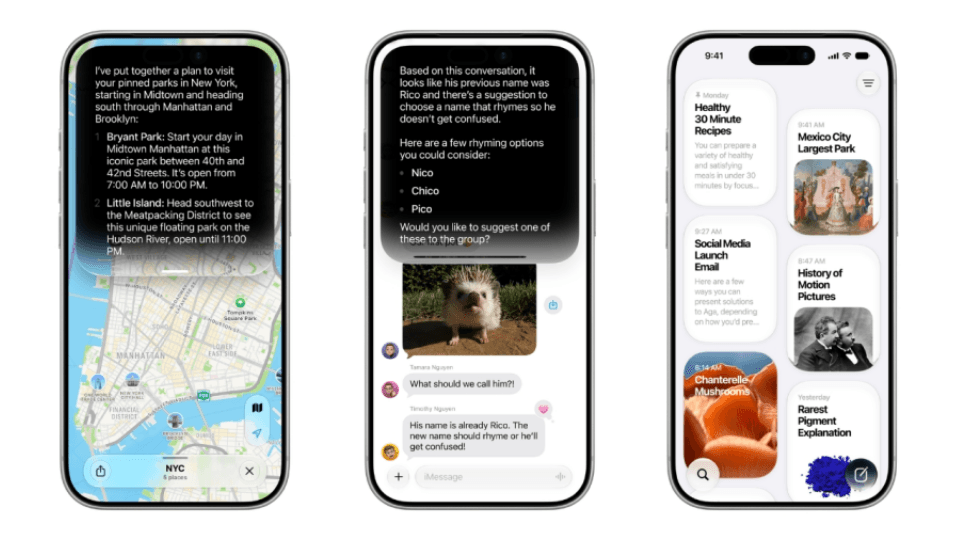
This major Siri upgrade first came to light during Apple’s annual developer conference back in June. The update completely changes how the system works. Instead of just pulling up basic web searches, the assistant can now securely scan your personal files, pull data from your email threads, search through your photos, and read your messages to help you manage your daily routine. It can look at what is happening on your screen and answer complex questions using real-world facts, operating exactly like a modern chatbot.
The design team also deeply integrated the assistant into the core operating system. You can wake it up using the traditional voice command or by holding down the power button. However, you can also swipe down from the pill-shaped screen cut-out at the top of the display to start a conversation. Apple also connected the tool to Spotlight, the built-in search bar on your home screen, giving it the ability to answer deep, open-ended questions about almost anything.
Siri even gets its own standalone application icon for the very first time, which provides a clean chat interface that will feel instantly familiar to anyone who uses competitive chatbots. Because the system sits so deeply inside the phone hardware, you will likely find that opening a dedicated application to chat is completely unnecessary. Along with the iPhone update, Apple is deploying the new assistant across its entire hardware lineup, including the iPad, Mac computers, the Apple Watch, CarPlay, AirPods, Apple TV, and the Vision Pro headset.
Under the hood, the system runs on Apple’s custom-built software models and a secure remote server network called Private Cloud Compute. While early rumors suggested Apple worked with Google to simply rename the Gemini app, the reality is far more interesting. Apple engineered these software engines specifically to run on its proprietary phone chips. The company refined its models by distilling larger systems to create smaller, highly efficient tools that process data locally on your device. The Private Cloud Compute setup keeps your personal details safe by ensuring that Apple can never store or read your search history.
In early developer trials, the assistant easily handled tasks that used to take multiple steps. It can find specific photos in your gallery, summarize long threads in your group chats, draft calendar invites, and identify real-world objects using your live camera feed. Sometimes the test version still gets confused, showing occasional error screens or misinterpreting text prompts. Even with those minor software bugs, the new Siri is set to become a massive part of your daily routine. While the test software is stable enough for daily use, you should always back up your device before installing a beta version. If you prefer to avoid occasional bugs, you can simply wait for the stable public launch this September.