Solar Giants and Gas Turbines: Inside the High-Stakes Clean Energy Clash Between Google and xAI
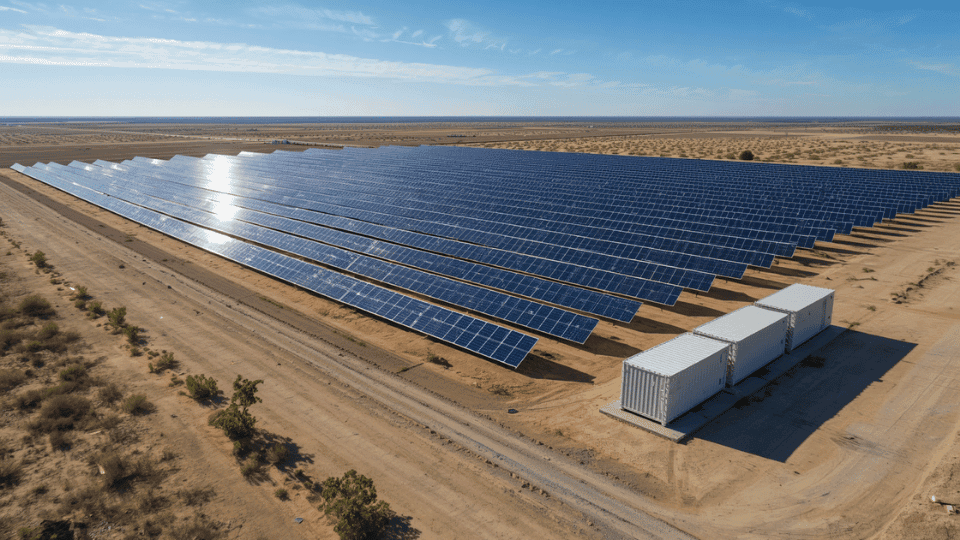
Google is making its biggest move yet in the clean energy race by backing a massive solar and battery project in Arkansas. This deal stands as the company’s largest solar power and battery storage purchase in its history. Once the first two phases of the site go live, they will generate enough clean electricity to cover roughly six percent of the entire state’s peak power demand.
The clean electricity will flow straight into the local power grid, helping to offset the massive amounts of energy that Google’s data centers consume every day. The search giant is not just buying the power; it is actively investing in the project alongside a developer named Cypress Creek Energy. Google committed to purchasing the entire energy output of the first two phases, which includes one gigawatt of solar capacity and 1.9 gigawatt-hours of battery storage.
When the entire three-phase development is complete, it will claim the title of the largest solar facility in the United States. The developers plan to connect the third and final phase of the project to the power grid in 2029. Once fully operational, the site will boast a total capacity of 1.8 gigawatts of solar energy and 2.9 gigawatt-hours of battery storage. To get the ball rolling, Cypress Creek Energy already secured 3.5 billion dollars in private financing to build out the first two phases.
The massive project, officially named the Steel River Energy Center, will sit about thirty miles north of Memphis, Tennessee. By combining giant fields of solar panels with large battery storage banks, the facility can supply power to the grid all day and all night. This setup directly supports Google’s ambitious goal to match its data center electricity use with clean power on a strict hourly basis.
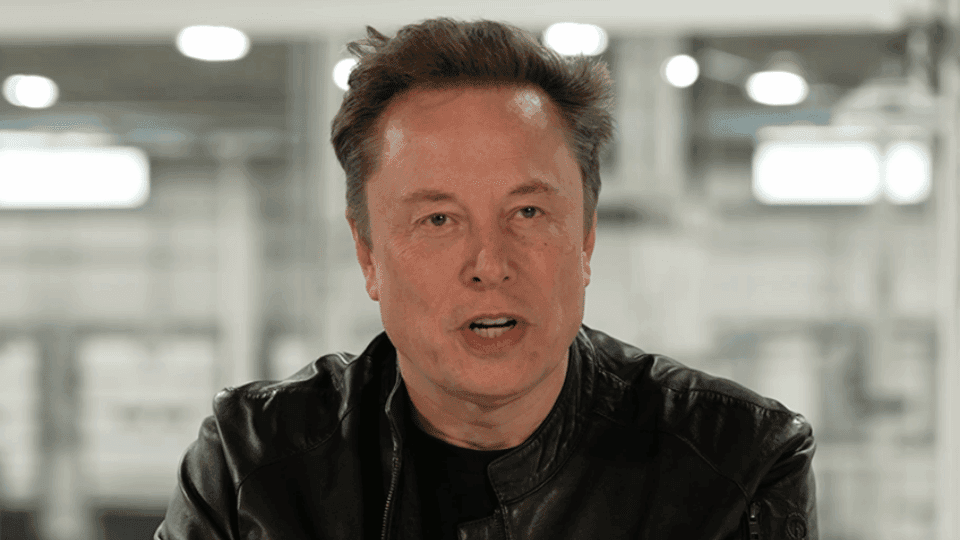
This clean energy push stands in sharp contrast to how Elon Musk is powering his nearby artificial intelligence startup, xAI. While Google builds out solar fields, xAI operates an unpermitted natural gas power plant just forty miles to the south. Musk has invested heavily in natural gas to keep his massive Colossus data center running. Right now, xAI runs nearly sixty natural gas turbines without the required federal clean air permits, according to an investigative report by Reuters. This lack of proper permitting has sparked major environmental concerns, especially since the pollution from the plant affects nearby, predominantly Black neighborhoods in the Mississippi area. Musk shows no signs of changing his strategy; he recently bought APR Energy, a company that specializes in building modular natural gas power plants.
Google is not completely spotless when it comes to fossil fuels, however. The search giant recently partnered with a company named Crusoe to build a 933-megawatt natural gas power plant in West Texas. This West Texas gas project is a strange exception for Google, since the company usually focuses on clean energy sources. Because Google managed to build nearly two gigawatts of solar capacity in just three years, industry experts believe the company will keep focusing its money on solar panels and batteries rather than fossil fuels.