Stock Market Gravity: SpaceX Slips Back to Launch Price Ahead of High-Risk Starship Test
SpaceX’s stock price took a heavy hit on Wednesday, falling back to the original price level the company set for its massive public debut. Wall Street saw the share price slide down to just above $135. That number holds a lot of meaning because CEO Elon Musk and his team chose that exact target price before their giant June 12 initial public offering. That debut brought in an incredible $86 billion, but the early excitement is wearing off.
During the trading day, the stock spent hours dipping below that initial line, hitting a low point of $133 before recovery buying pushed the final price back up to finish at $135.27. This mid-week slump is part of a larger, steady decline since the company hit the public market. When trading first began, SpaceX shares zoomed past $200. That initial peak briefly gave the rocket maker a total valuation that matched established technology giants like Amazon and Microsoft. Since that high-water mark, the value of the shares has dropped almost every single week.
The extreme price swings point to a structural issue with the stock. Currently, only a tiny 4% slice of the company’s total shares actually trades on the Nasdaq. Financial experts call this a small float. When you combine a tiny pool of available shares with constant, intense media spotlight and public attention, you get the perfect recipe for wild price swings. The first month of public trading has felt like a roller coaster for early investors.
The market also seems to be questioning Musk’s long-term outer space goals. We are seeing a broader drop in technology stock valuations, and the general deflation has hit SpaceX hard. Investors are not just dumping the common stock; the corporate bonds that the company sold to raise operational cash are also losing value.
A long-term downward slide for SpaceX could trigger serious problems for the rest of the tech industry. Investors use SpaceX’s stock performance as a key metric to judge how much they should trust Musk’s promises about space travel. The performance of this IPO also sets the tone for other giant private tech firms that want to join the stock market, like Anthropic and OpenAI. Both of those artificial intelligence firms already filed confidential paperwork to prepare for their own public debuts. Because neither firm has set an official launch date, investment banks are watching SpaceX’s daily price chart very closely to guess how successful those upcoming listings will be.
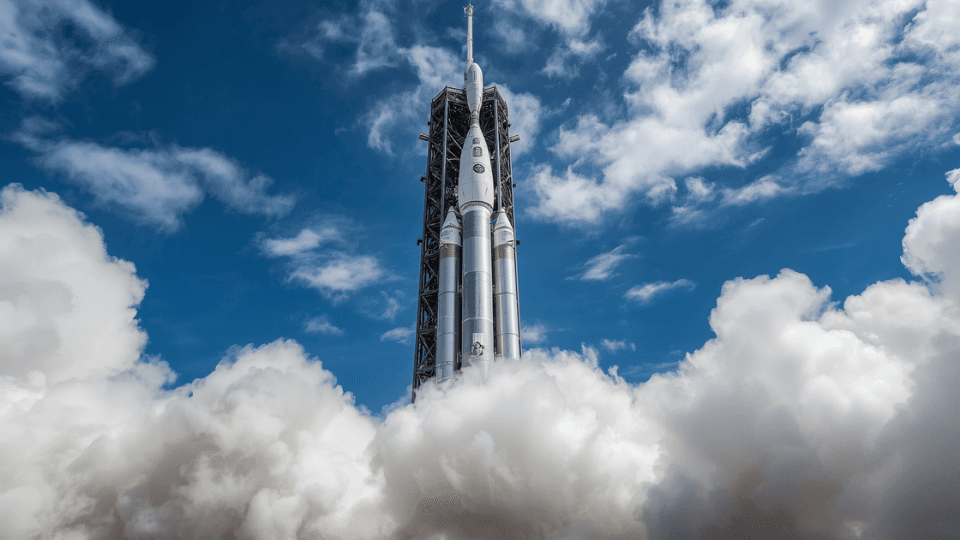
SpaceX is facing a major test that will prove if its stock price can handle real-world engineering risks. On Thursday, the team plans to launch its giant Starship rocket for the first time since going public. Because the vehicle is still in its early development phase, failures happen regularly. SpaceX uses a trial-and-error development method where they build prototypes quickly, launch them until they break, and then fix the discovered problems on the next build.
This will be the first flight since a booster rocket failed to land safely in May. This time around, the team does not even plan to save the expensive hardware. Instead of trying to land the massive booster or the upper stage of the rocket, the flight plan calls for a simulated landing in the Gulf of Mexico. That means both major sections of the Starship rocket will crash and explode in the ocean no matter how well the launch goes. It is a high-risk engineering strategy that will put the company’s new public shareholders to the ultimate test.