Talking Back: OpenAI Drops Advanced Audio Engines to Make Synthetic Conversations Feel Real
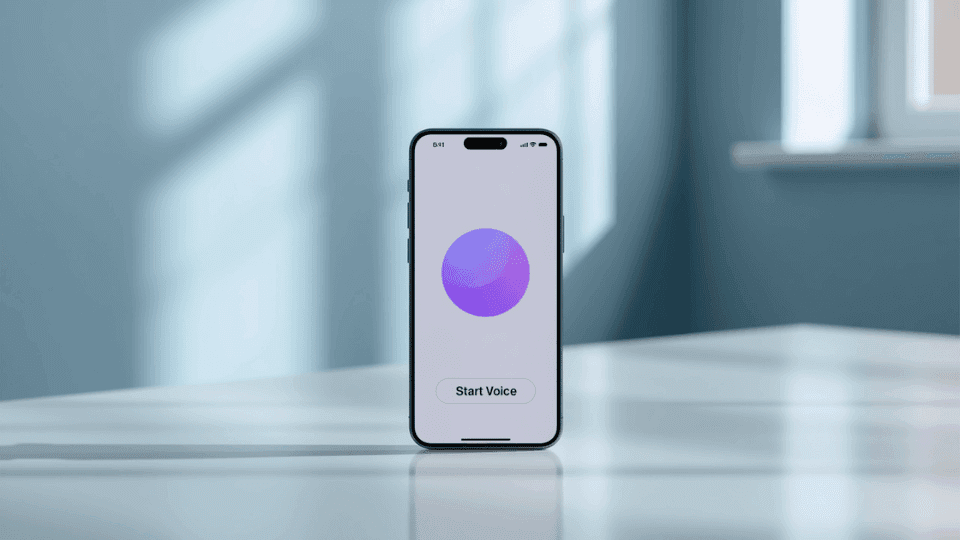
The era of clunky, step by step voice command prompts is officially ending. OpenAI just rolled out two fresh conversational audio frameworks called GPT Live 1 and GPT Live 1 mini. The development team built these systems to process data much faster and handle the natural rhythm of human conversation far better than legacy voice tools. Both releases operate on full duplex networks, which means the software can listen to you and speak back at the exact same time. This layout lets you cut off the application mid sentence to clarify points, just like you would during a regular phone call with a friend, and it even processes live language translation on the fly.
This new tech completely replaces the older Advanced Voice Mode setup inside ChatGPT, making GPT Live 1 mini the default system for free users. Premium accounts get direct access to the larger, main GPT Live 1 engine. The previous system relied on three separate software steps to work: an initial tool transcribed your voice to text, a central model figured out an answer, and a final text to speech script read the words back to you. The new audio models bypass this disjointed pipeline entirely, sending your raw speech straight to latest generation thinking engines like GPT 5.5 to process logic, run tasks, or draft answers while the active voice conversation keeps rolling.
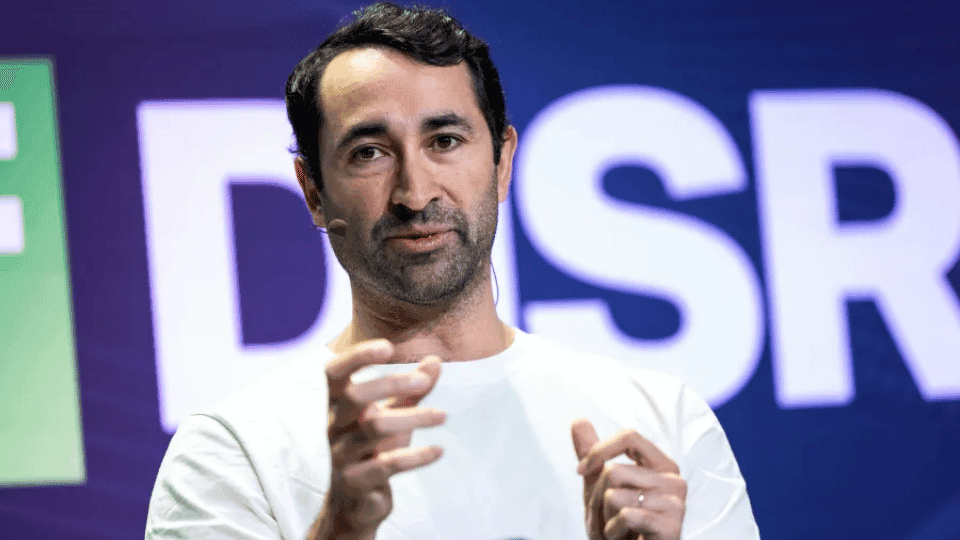
During a recent media briefing, ChatGPT product manager Atty Eleti explained that the fresh architecture fixes historical headaches like awkward speech delays or a general lack of context. The software can sit completely silent for long stretches, listening to a group conversation and absorbing background information until a user explicitly calls its name. Because the new audio framework connects directly to fresher models, the digital assistant can present graphic visuals on your phone screen alongside its spoken answers to explain complex data sets clearly. This shift toward visual help matches a wider industry trend, with rival startups like Monogram securing forty million dollars in early seed funding to build similar highly interactive digital assistants.
OpenAI wants users to treat this voice feature as their primary tool for running complicated digital workflows. While rumors suggest the firm might drop its own branded wireless earbuds later this year, the company chose not to share any hardware updates during the current launch. Instead, the team envisions a future where workers manage background coding tasks, organize complex cloud documents, and handle multi step spreadsheets entirely through continuous voice instructions.
Competitors are moving fast to match this conversational capability. Both Apple and Amazon are aggressively updating their personal assistants to handle longer contexts, while fresh startups like Sesame are launching highly conversational bots that run background chores while keeping up a friendly chat. OpenAI notes that over one hundred and fifty million people already use its basic audio features daily. While the team admits that the live translation tools still sound a bit too formal and mechanical when processing non English languages, they emphasize that these tools will quickly improve as they train the core models on a wider variety of global dialects.