The Silicon Soap Opera: Is OpenAI Trading Safety for Cold Hard Cash?
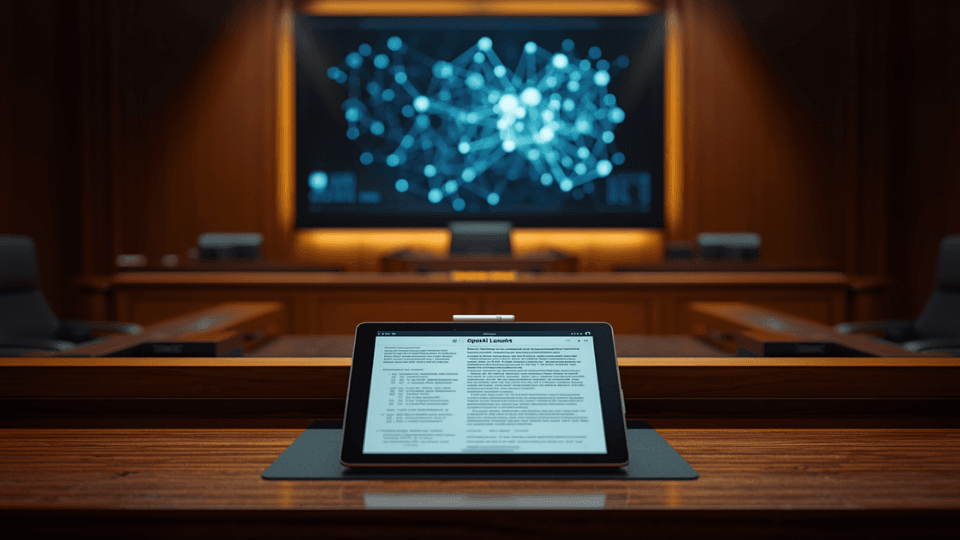
Elon Musk is taking OpenAI to court, and the legal battle is shining a very bright light on the company’s internal secrets. The big question at the center of the trial is whether OpenAI has abandoned its original mission to help humanity in favor of making billions of dollars. On Thursday, May 7, 2026, a federal court in California heard from former employees and board members who claim the lab is now putting products before safety.
Rosie Campbell, a former member of the AGI readiness team, testified that the culture inside OpenAI changed drastically during her time there. She joined in 2021 when the team focused heavily on research and deep discussions about the risks of super-intelligent machines. However, as the company grew and partnered with giants like Microsoft, she felt the focus shifted toward being a “product-focused organization.” She eventually left the company after her team was disbanded.
Red Flags and Secret Launches
One of the most shocking parts of the testimony involved a secret deployment of GPT-4 in India. According to witnesses, OpenAI released a version of the model through its Bing search engine before the company’s own safety board had finished checking it. While the model itself did not cause a global disaster, the move ignored the company’s own rules for safe releases. This event was a major reason why the non-profit board tried to fire CEO Sam Altman in 2023.
Tasha McCauley, a former board member, testified that the board felt Altman was not being honest with them. She claimed he kept them in the dark about key decisions, including the public launch of ChatGPT. The board was also worried that Altman was playing favorites with investors and not disclosing potential conflicts of interest. When the board finally moved to remove him, Microsoft and a large group of employees forced them to back down. This effectively ended the board’s power to oversee the for-profit side of the business.
Why This Matters for You
This trial is about more than just a fight between two billionaires. It is about who controls the most powerful technology ever created. If OpenAI is no than a standard tech company chasing profits, the safety guards we rely on might be disappearing. David Schizer, a former dean of Columbia Law School, acted as an expert witness. He argued that if a company says it prioritizes safety over profit, it actually has to follow through on that promise.
Right now, OpenAI is one of the largest private companies in the world. It has moved far away from its roots as a small research lab. Critics argue that we cannot trust a single CEO to make decisions that affect the entire world. They believe the failure of OpenAI’s internal government shows that we need stronger laws to regulate advanced AI. As the technology gets smarter, the stakes only get higher. We have moved past the point where we can just hope these companies do the right thing.