Agentic Automation: Adobe Integrates AI Assistants and Generative Tools Across Photoshop, Premiere, and Firefly
Adobe introduced a massive suite of artificial intelligence upgrades across its core creative stack during its annual MAX conference in Miami. The company integrated proactive AI agents into flagship apps like Photoshop, Premiere Pro, Illustrator, and InDesign while expanding its Firefly platform with interactive prototyping and video creation tools. Additionally, Adobe announced local support for the Model Context Protocol, allowing third-party AI assistants such as ChatGPT, Claude, and Gemini to interact directly with native Creative Cloud file formats.
Within the Firefly ecosystem, Adobe rolled out a new web-based prototyping software called Builder, currently available in private beta. Builder lets user experience designers generate interactive layout concepts and software mockups directly from text prompts, directly challenging existing design tools like Figma. Adobe also added an on-brand graphic generator to Firefly alongside an image editor that lets users alter isolated elements within a canvas without disturbing surrounding design details.
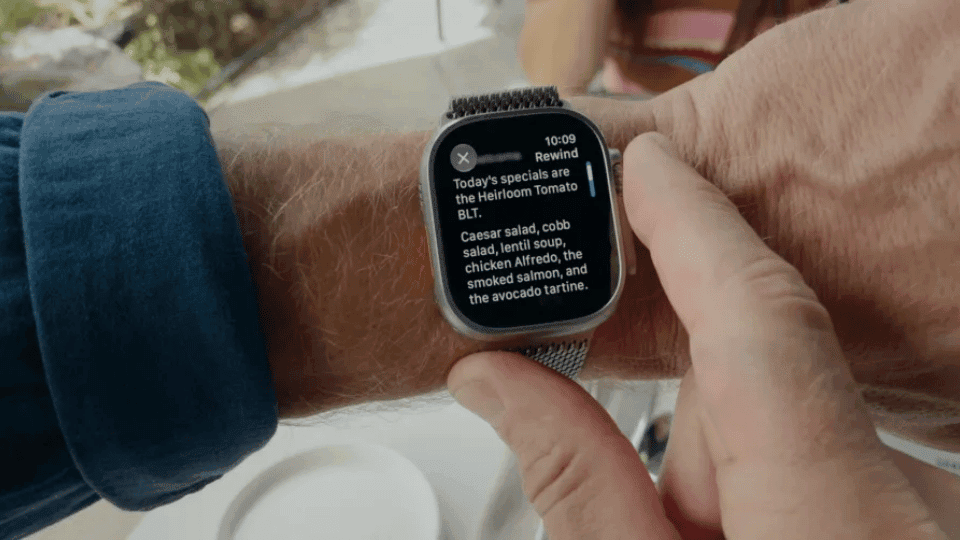
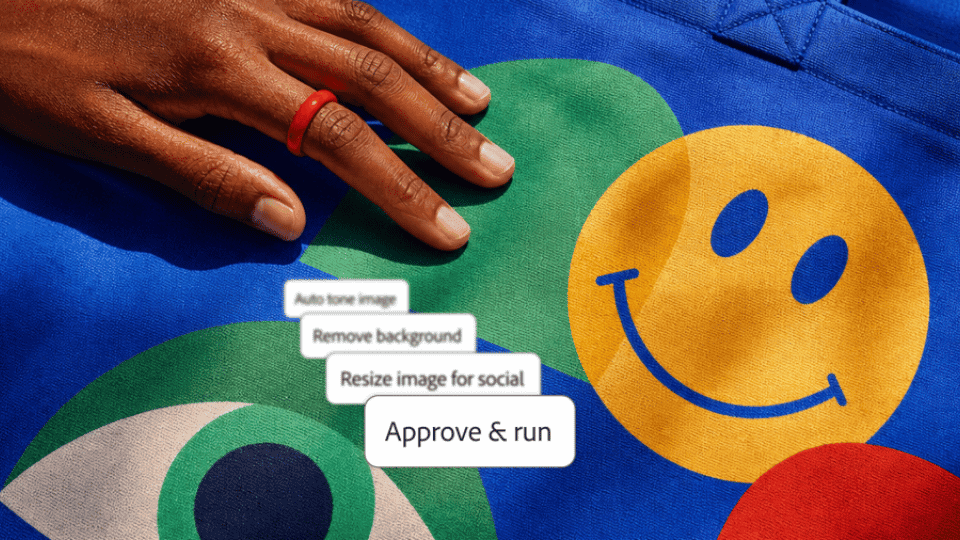
For video creation, Firefly gained an AI-powered editor capable of assembling complete video drafts from clips, audio tracks, sound effects, and text prompts. Adobe designed these AI agents to work continuously in the background, monitoring active projects to offer relevant context and recommendations. Users can trigger quick actions directly from workspace menus, allowing the software to automatically crop social media images, generate custom video thumbnails, or remove clip backgrounds with a single click.
Core desktop applications also received major feature additions. Photoshop introduced a new Relight tool that allows artists to adjust image lighting using custom color hues and intensity sliders, alongside an enhanced object removal tool that accurately reconstructs background shadows and reflections. Premiere Pro gained Generative Remove in beta, enabling video editors to erase unwanted elements like microphone booms or background figures from moving footage. Premiere also added advanced color grading controls and automated audio separation tools that split mixed soundtracks into clear dialogue, background music, and ambient noise. Meanwhile, Lightroom added desktop blemish removal tools alongside an Open Eyes feature in public beta, which uses reference photos to fix closed eyes in group portraits.
Beyond first-party features, Adobe expanded integration options for third-party AI models. Firefly now supports external models from Google, Runway, Luma Labs, Black Forest Labs, OpenAI, Kling, and ByteDance. Through its recent acquisition of Topaz Labs, Adobe released two specialized image models: Wonder 4, built for upscaling and noise reduction, and ImageHDR, which converts standard photos into dynamic range images.
The shift toward open AI integration marks a major strategy shift for Adobe. By releasing a local Model Context Protocol endpoint, Adobe allows external AI assistants to read project layers, edit vector paths, and run timeline edits inside desktop apps. Adobe vice president Deepa Subramaniam noted that product teams are actively testing API access points to determine how far third-party agents should interact with native software workflows while keeping ultimate creative control in the hands of human artists.
As agentic software changes content creation, Adobe aims to remain the primary workspace for digital artists, designers, and video editors. Combining automated background agents with open third-party model support gives creative professionals faster editing tools without forcing them to switch platforms.