Atomic Approval: X-energy Secures Regulatory Green Light for First Industrial Small Modular Reactors
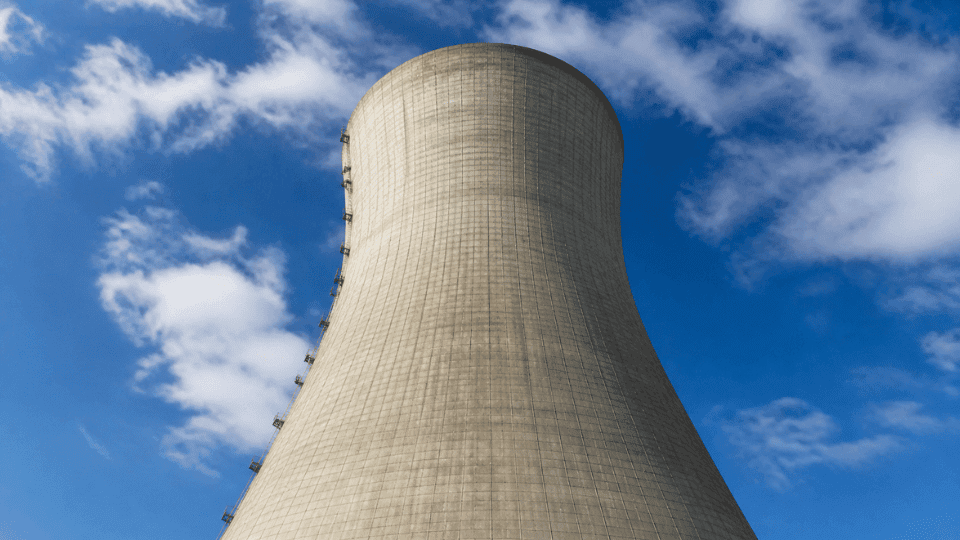
Nuclear startup X-energy received federal approval from the Nuclear Regulatory Commission to construct its first four commercial nuclear reactors. The regulatory agency approved the company’s construction permit application for four Xe-100 reactors, which will be installed directly at a Dow chemical manufacturing plant in Texas. Each individual reactor will generate 80 megawatts of electricity alongside 200 megawatts of thermal heat energy. X-energy noted that this decision marks the first time federal regulators approved an advanced nuclear reactor build at an active industrial location within the United States.
The American nuclear sector has placed significant expectations on small modular reactors to speed up construction timelines and lower capital requirements. Proponents argue that building smaller factory-built units will reduce long-term build costs compared to massive legacy power plants. However, those financial and operational claims remain untested in real-world environments. No commercial small modular reactor operates within the United States today, and X-energy project managers acknowledge that the Dow facility reactors will not reach full operational capacity until the early 2030s.
X-energy claims its proprietary reactor core design offers safer operations than traditional water-cooled facilities by using helium gas to cool ceramic-coated fuel pellets. Despite those claims, watchdogs at the Union of Concerned Scientists raised major safety concerns regarding the speed of the approval process. Edwin Lyman, director of nuclear power safety for the organization, publicly questioned the permit release, stating that regulatory officials pushed critical safety reviews down the line to expedite initial construction approvals.
Demand for reliable power from artificial intelligence developers and cloud data centers created strong tailwinds for nuclear energy startups. Tech giants require massive continuous electricity supplies to run server campuses, prompting heavy investments in clean baseload power. Amazon’s Climate Pledge Fund previously led a $500 million Series C-1 funding round for X-energy, while Amazon signed initial commitments to procure five gigawatts of power from the startup over coming years.
That surge in tech sector interest helped fuel market excitement during X-energy’s initial public offering earlier this year, which raised $1 billion in capital. However, initial investor excitement cooled considerably in secondary markets. Building nuclear power facilities requires massive initial capital outlays and often faces multi-year construction delays, leading Wall Street analysts to remain cautious about near-term profitability. Although the construction permit announcement provided a temporary boost to X-energy stock, shares continue to trade at less than half their original offering price.
Deploying nuclear reactors directly alongside heavy industrial sites represents a new model for corporate power generation. Co-locating small reactors at chemical plants gives manufacturers direct access to high-temperature steam and reliable electricity without placing demands on public utility grids. If X-energy successfully executes its Texas buildout, direct industrial power partnerships could offer a viable blueprint for energy-intensive manufacturing operations worldwide.
At the same time, overcoming high capital costs and addressing public safety questions remains essential for long-term industry adoption. X-energy must prove it can build its Xe-100 units on schedule while satisfying ongoing regulatory safety reviews. How well the startup executes its Texas installation will determine whether small modular reactors can deliver practical, cost-effective energy for the modern industrial grid.