Espionage and Executive Ethics: A Full Timeline of the Nvidia CEO Scandal
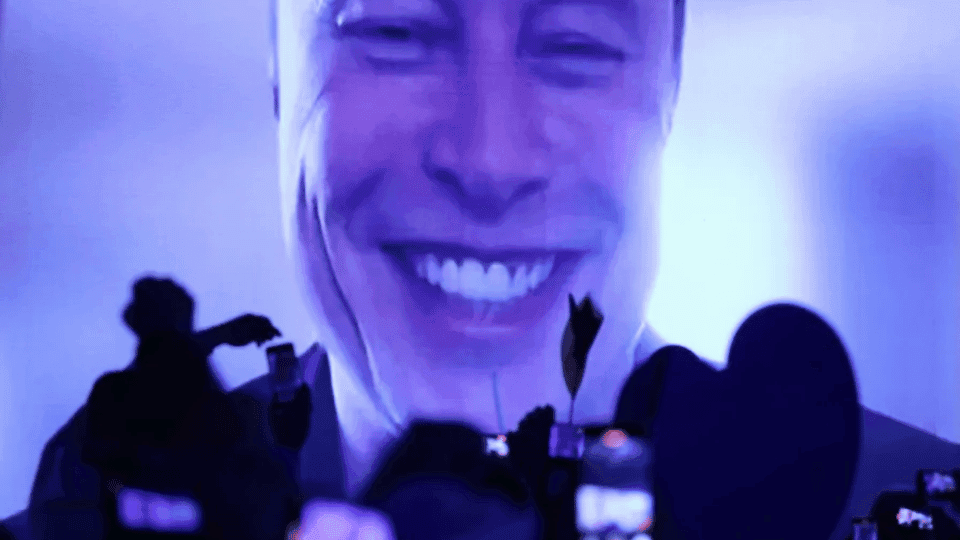
Nvidia Chief Executive Officer Jensen Huang finds himself at the center of a growing corporate and geopolitical storm involving foreign intelligence allegations, executive misconduct, and global trade compliance. Reports revealed that Huang engaged in a personal affair with Alice Huang, an executive at Singapore-based distributor Megaspeed. Federal intelligence agencies suspect Alice Huang was recruited by the Chinese government to collect intel and influence U.S. export controls on artificial intelligence microchips. The scandal has triggered internal investigations, congressional interest, and major fallout across the tech industry.
The roots of the investigation stretch back several years. In October 2023, U.S. and Singaporean authorities began investigating Megaspeed for potential violations of U.S. export controls. Intelligence officials monitored how Megaspeed sourced high-end Nvidia chips and routed hardware into restricted international markets. By late 2024, U.S. intelligence agencies briefed President Donald Trump about suspicious interactions between Jensen Huang and Alice Huang, though no immediate federal action was taken against the executive at that time.
Unquiet waters continued to build throughout 2025 as a secret intelligence memo circulated within the Trump administration. The document detailed specific concerns regarding the CEO’s personal relationship with a suspected Chinese asset. Despite mounting background checks, the executive relationship remained active while Megaspeed expanded its chip procurement network across Southeast Asia.
The situation escalated rapidly in late 2026. On October 29, 2026, reports surfaced indicating that Jensen Huang had developed a close personal connection with the suspected agent. A few days later, on November 3, three Republican committee chairmen announced plans to hold closed-door hearings to examine potential national security compromises and export control evasions connected to the affair.
On November 8, 2026, Jensen Huang admitted to the extramarital affair in an internal memo sent to Nvidia employees. He acknowledged that the company’s board of directors initiated a formal investigation into his conduct to evaluate whether executive decisions compromised internal security or breached trade compliance rules. The public confession triggered immediate operational adjustments, leading Huang to pull out of multiple public speaking engagements scheduled for early November.
Between November 9 and November 10, additional details emerged regarding the business relationship between Nvidia and Megaspeed. Financial records and investigative reports revealed that Megaspeed acted as a primary purchasing channel for advanced chips, raising questions about whether personal access influenced corporate distribution channels. Additionally, short-seller disclosures resurfaced, showing that independent researchers had flagged the executive connection months before formal probes began.
The scandal leaves Nvidia facing severe governance challenges. Navigating international trade restrictions requires absolute transparency from corporate leadership. As congressional committees prepare formal hearings and independent board members audit executive communications, Nvidia must prove that its distribution operations remain secure. How the board addresses these findings will determine whether the company can maintain public trust and protect its standing as a major technology builder.