Audio Authenticity Shield: YouTube Music Rolls Out Transparency Labels as Synthetic Tracks Flood Streaming Networks
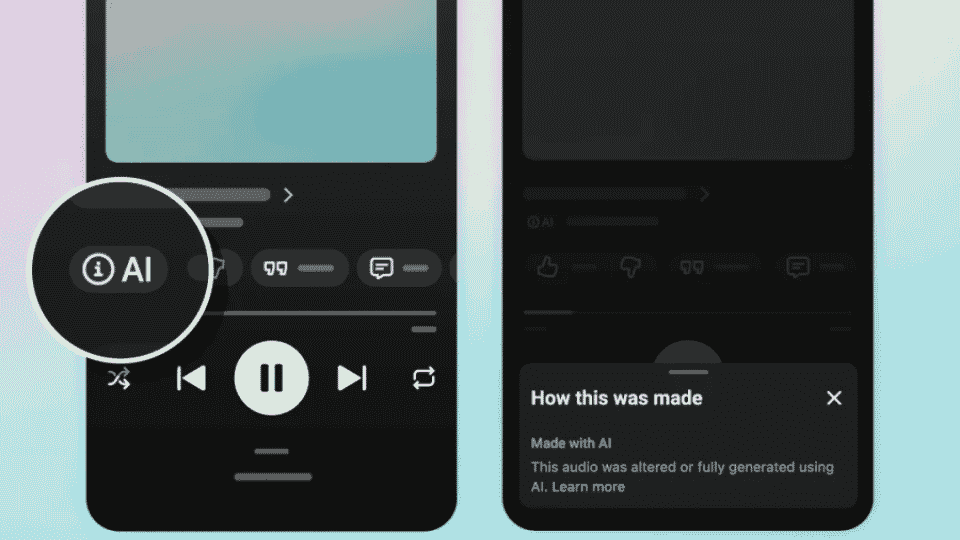
YouTube Music launched a brand-new labeling system designed to give listeners clear visibility into tracks created using generative artificial intelligence tools. The new badges display directly on the main player screen across both YouTube Music and the primary YouTube video app. Tapping the icon reveals specific details about how artificial intelligence contributed to the song, detailing whether software generated the underlying composition, synthetic vocal tracks, or background instrumentation.
To standardize content classification, YouTube collaborated with major music labels and developed automated detection algorithms to scan incoming uploads. Creators and music partners uploading content through YouTube can tag their releases under three specific designations: Fully Gen AI, Partly Gen AI, or No Gen AI. The Fully Gen AI tag applies to songs built entirely by synthetic generation engines. The Partly Gen AI designation applies to hybrid tracks where artists combined human instrumentation or live vocals with synthetic elements. Standard editing software and pitch-correction tools like Auto-Tune remain classified under the No Gen AI category.
The rollout comes as synthetic audio submissions flood digital music catalogs nationwide. Major competitors across the streaming industry are adopting distinct approaches to address synthetic audio uploads. Apple Music plans to introduce Made With AI labels later this year as part of its broader AI Transparency Tags. Spotify uses clear tags for synthetic recordings alongside algorithmic spam filters to strip out low-quality tracks. TIDAL labels synthetic recordings while giving listeners direct controls to block them from daily feeds.
Other platforms enforce far stricter bans on synthetic content. Deezer processes up to 90,000 synthetic song uploads daily, accounting for a massive chunk of its new submission catalog. In response, Deezer removes fully synthetic tracks from editorial playlists, blocks them from recommendation engines, and withholds royalty payouts from fraudulent streams. Deezer is also testing a dedicated user toggle that allows listeners to hide synthetic audio from search results and feeds entirely.
Unlike platforms that penalize synthetic audio, YouTube emphasizes clear disclosure rather than outright bans or monetization restrictions. Tagging a song with an AI label does not automatically disqualify the uploader from earning ad revenue or channel subscriptions. In fact, YouTube actively tests licensed generation features like Dream Track, a tool that allows creators to produce custom background soundtracks featuring authorized synthetic vocal models from participating recording artists.
Providing explicit audio labels establishes much-needed clarity across modern digital streaming platforms. As generative software tools become widely accessible to bedroom producers and online creators, distinguishing between pure human performances and synthetic compositions protects music culture. Clear transparency badges ensure listeners know exactly what they are playing while allowing artists to experiment with creative software tools responsibly.