Rocket-Fueled Supercar: Tesla Unveils SpaceX-Powered Roadster That Levitates and Defies Physics
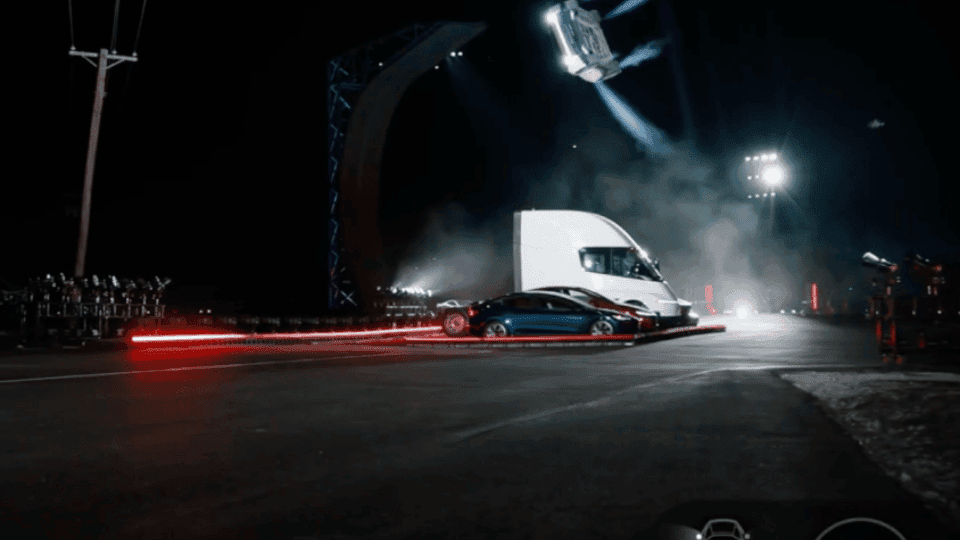
Tesla chief executive Elon Musk revealed long-awaited updates regarding the next-generation Tesla Roadster, confirming that the electric vehicle integrates cold-gas thrusters developed alongside SpaceX engineers. Speaking at a public unveil event, Musk detailed how the sports car uses compressed air thrusters to achieve extreme acceleration, short hovering capabilities, and unprecedented low-speed maneuvering. The collaboration between Tesla’s automotive team and SpaceX’s rocket propulsion engineers aims to redefine electric vehicle performance boundaries.
The revised design features ten small cold-gas rocket thrusters arranged around the vehicle body. These high-pressure air thrusters deliver rapid bursts of thrust, enabling the sports car to launch from zero to sixty miles per hour in under one second. Beyond straight-line acceleration, the thruster package improves high-speed cornering stability, braking distances, and obstacle avoidance. The vehicle can even lift itself off the ground briefly, hovering a few inches above the asphalt in short, controlled bursts.
Integrating aerospace propulsion technology inside a production passenger car presented major engineering hurdles. Engineers placed composite overwrapped pressure vessels inside the chassis to store ultra-high-pressure air required by the thruster system. The onboard air tanks recharge continuously using high-capacity electric pumps powered by the vehicle’s central battery pack. Managing severe g-forces created by instantaneous thruster output required reinforcing the structural frame and building specialized traction management algorithms.
Tesla initially announced the second-generation Roadster back in 2017 with an estimated base price of $200,000, promising a top speed exceeding 250 miles per hour and a 620-mile battery range. However, repeated engineering delays and supply chain shifts pushed production back by several years. Musk noted that the extended development timeline allowed engineering teams to overhaul the original vehicle architecture, upgrading the powertrain and integrating thruster hardware directly into the frame.
Adding rocket thrusters required modifying the interior cabin layout. Installing high-pressure air tanks behind the front seats eliminated the rear passenger seating, converting the vehicle into a strict two-seater layout. The central infotainment interface displays real-time pressure levels, thruster charge statuses, and custom launch modes, giving drivers full control over manual thrust engagement.
Safety regulations and road-legal compliance remain critical hurdles for commercial delivery. Automotive safety agencies require extensive crash testing and pressure system validation before approving vehicles equipped with high-pressure air tanks for public roads. Tesla plans to offer the SpaceX thruster package as a high-performance option tier, while the standard electric Roadster will ship with a conventional all-electric quad-motor setup.
Combining rocket propulsion with pure electric drive systems marks an ambitious design experiment in high-performance automotive engineering. While critics question whether low-altitude hovering and rocket thrust belong on consumer vehicles, Tesla aims to push supercar capabilities to unprecedented levels. Delivering sub-second acceleration times and airborne agility positions the SpaceX-powered Roadster as a bold statement in pure electric vehicle innovation.