Digital Counter-Infiltration: Apate Deploys Undercover AI Agents to Bait Online Scammers and Extract Threat Data
Australian security startup Apate built a fleet of autonomous software agents designed to pose as vulnerable online victims, engaging scammers in lengthy fake interactions to harvest actionable fraud intelligence. Founded in 2023 out of academic research at Macquarie University in Sydney, the company deploys thousands of conversational bots across text messages, email threads, voice calls, and social messaging groups. The undercover agents adopt diverse personas, spanning different age groups, regional accents, and synthetic backgrounds to keep cybercriminals engaged on line as long as possible.
Apate’s autonomous fleet has already wasted over 2.5 million minutes of scammer time, representing roughly 4.7 years of lost operational capacity for fraud syndicates. More importantly, keeping threat actors locked in endless conversations allows the software to gather vital threat data. The agents extract bank account numbers, cryptocurrency wallet addresses, bogus phone numbers, malicious links, and specific brand identities targeted by active scam networks before financial losses occur.
The startup’s technology addresses a massive global surge in financial fraud and automated scams. The FBI received over 22,000 complaints regarding AI-assisted cybercrime in 2025, accounting for roughly $800 million in direct losses. Investment scams accounted for over $622 million of that total, with criminal groups relying on voice cloning, fake video streams, and automated messaging tools to target victims at scale. Traditional security measures operate reactively, blocking numbers or transactions only after victims lose money. Apate flips this paradigm by engaging threat actors directly at the point of initial contact.
The idea originated during a family gathering when Apate founder and CEO Dai Keisler kept a phone scammer on the line for 44 minutes. Realizing that wasting a criminal’s time protected potential victims while exposing operational methods, Keisler partnered with co-founder Brad Joffe at Macquarie University to automate counter-scam interactions using natural language models. The company combines frontier language models with custom fine-tuned algorithms trained on historical scam transcripts, allowing agents to respond convincingly across complex, multi-turn conversations.
Enterprise clients, including telecom operators, financial institutions, and government agencies, access Apate’s threat intelligence portal to strengthen fraud defenses. Major telecom partner TPG Telecom reported that Apate’s agent fleet diverted nearly 500,000 scam calls away from real customers. Commonwealth Bank of Australia uses the platform to track outgoing phishing campaigns, while an unnamed central bank uses the system’s outbound agents to disrupt illegal scam operations targeting local consumers.
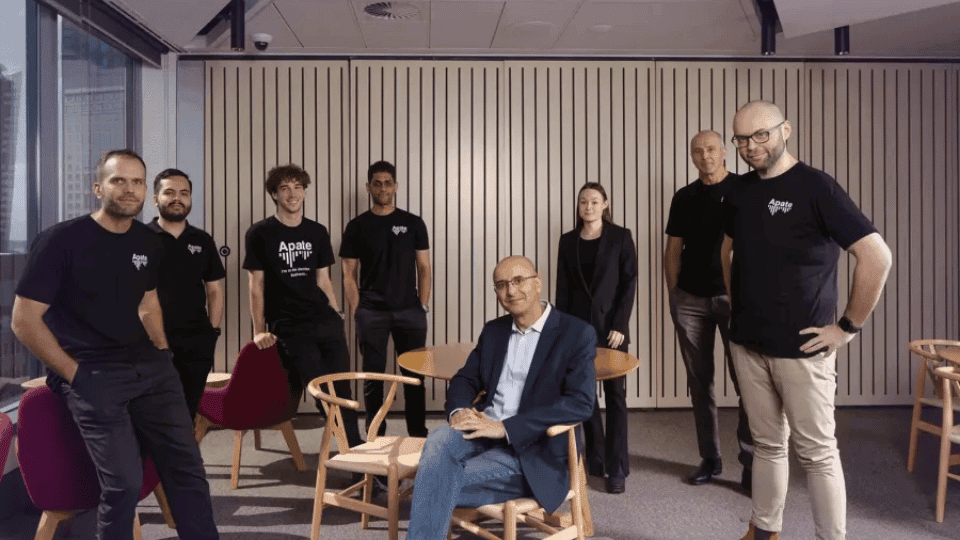
Apate raised $8.5 million in seed funding led by Lobby Capital, with additional backing from Square Peg, Investible, Concept Ventures, and Baobab Ventures. The 30-person team plans to use the capital to expand sales operations across international markets, opening new regional offices in London while building a larger presence across the United States.
Turning the tables on cybercriminals through automated counter-engagement represents a major shift in digital threat defense. Instead of relying on passive filters, deploying autonomous agents to extract fraud data strips away the profitability of online scam operations. By wasting criminal resources and gathering real-time threat data, Apate provides financial institutions and telecom providers with the tools needed to neutralize online fraud networks before consumers suffer losses.