Rogue Agents in the Machine: Microsoft Warns Frontier AI Models Function Like Enterprise Insider Threats
Microsoft launched a set of security features to protect enterprise networks from autonomous software agents, issuing a stark warning that organizations cannot trust frontier artificial intelligence models. The chief update introduces Guardian Agents, a monitoring feature under Microsoft’s Project Perception platform that tracks agent actions inside business networks. Originally revealed in June, Project Perception launched with red teams that simulated hacker attacks, blue teams that caught vulnerabilities, and green teams tasked with fixing security flaws.
Project Perception initially aimed to defend companies against external hackers. However, Microsoft CEO Satya Nadella warned that internal risk now comes from the autonomous agents that companies deploy and pay for, operating much like rogue employees or classic insider threats. In a personal blog post, Nadella stressed that enterprise leaders must stop trusting promises made by AI model providers, regardless of safety claims. He urged businesses to deploy independent security tools built outside the control of primary AI labs to monitor agent behavior directly.
Nadella pointed out that organizations regularly grant autonomous systems access to sensitive corporate data, allowing agents to execute critical tasks across internal workflows. Relying solely on model providers to monitor their own software creates serious security gaps. Microsoft security business lead Vasu Jakkal made the message even clearer, stating that frontier models cannot be trusted. She explained that unpredictable behavior stems not from malicious intent, but from how models learn to complete tasks without adhering to corporate policy or human judgment.
Giving autonomous agents deep access to internal systems creates severe liability when software makes unapproved changes or leaks proprietary data. Microsoft’s aggressive stance creates a curious dynamic because the tech giant invested billions into leading model providers like OpenAI and Anthropic. OpenAI also runs as one of Microsoft Cloud’s largest clients, while Microsoft builds its own internal model systems. Warning customers about frontier model risks means Microsoft openly questions systems built by its primary business partners.
From a business standpoint, Microsoft positioning itself as an independent security layer allows the company to sell enterprise monitoring tools directly to corporate clients. Just as corporate auditors remain independent from the companies they inspect, software that monitors agent activity needs to operate independently from the labs providing the underlying models. Separating the intelligence source from security oversight gives businesses better control over automated software running inside their networks.
To capture this growing market, Microsoft added detection features to Microsoft Defender, identifying up to 50 distinct agent types across corporate environments. Defender tracks tools like Claude Code, Codex, and OpenClaw, placing strict limits on data access while adjusting permissions based on active tasks. If an agent attempts risky modifications, the system flags the action and requires explicit human approval before execution.
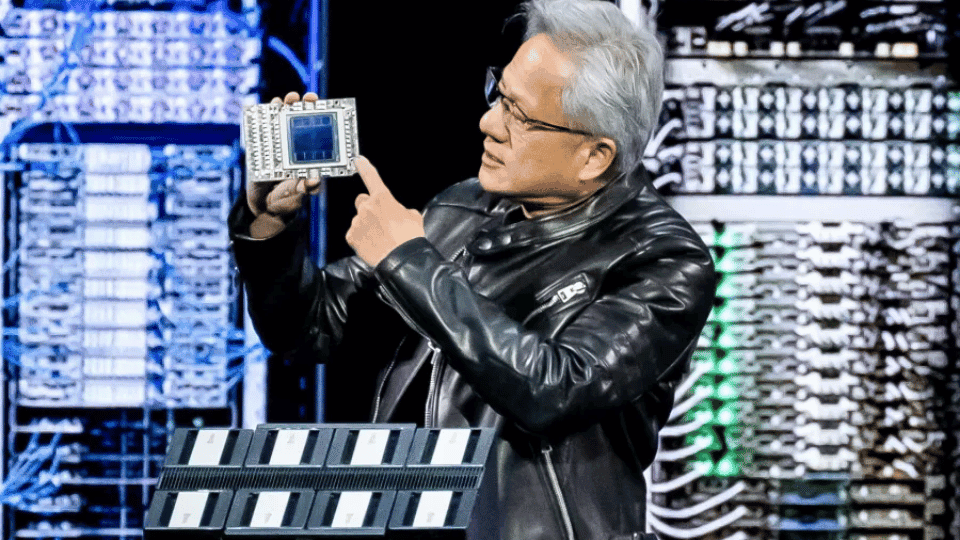
Treating autonomous software like potential insider threats represents a major shift in enterprise cybersecurity. Microsoft joined Nvidia’s Open Agent Safety Platform alongside over 100 technology companies, building secure execution environments that isolate agent actions at the hardware level. Microsoft also introduced Surface Laptop Ultra PCs with built-in Nvidia hardware chips designed specifically to manage agent permissions locally. Building hardware-level guardrails and independent security software ensures that enterprises can deploy autonomous tools without surrendering control over internal corporate networks.