Cold Chain Chaos: Hackers Target European Supermarket Refrigerators to Spoil Food Supplies
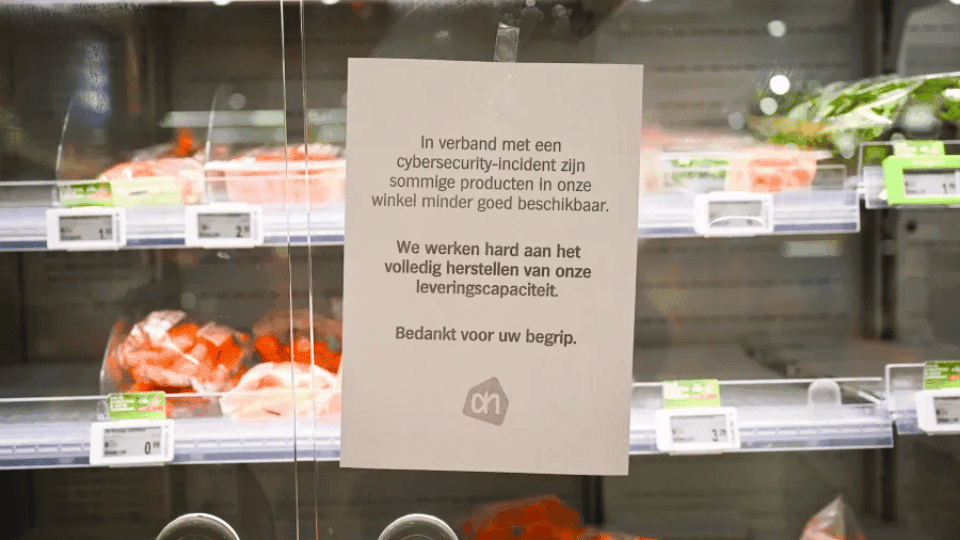
A fresh wave of coordinated cyberattacks hit commercial cooling systems across European grocery chains, forcing refrigerators into defrost mode and destroying inventory on a massive scale. Stores across Belgium, Ireland, Luxembourg, and Sweden reported sudden temperature spikes in fresh produce, meat, and dairy display cases. The digital sabotage forced store operators to dump thousands of pounds of spoiled perishable inventory before goods reached retail shelves.
Major European retail conglomerates Ahold Delhaize and Colruyt confirmed the security breaches overnight. A regional IT service provider managing store infrastructure for Delhaize stated that attackers compromised central control software and altered physical temperature profiles to trigger full defrost cycles. Store clerks discovered warm display cases during morning shifts, forcing managers to block off aisles and dispose of compromised meat, dairy, and frozen goods. The financial damage covers lost inventory, emergency disposal fees, and lost retail sales during peak shopping hours.
The latest incident follows a similar series of refrigerator hacks across France last month that caused widespread food spoilage across hundreds of grocery stores. Security researchers traced the breach vector back to internet-connected commercial refrigeration hardware manufactured by Danish firm Danfoss. Danfoss discontinued security patch updates for the affected hardware line, leaving legacy units exposed to known network vulnerabilities. Cybersecurity firm Claroty warned system operators in August that unpatched Danfoss industrial controllers remained highly vulnerable to remote exploitation and network outages.
Connecting basic physical hardware to open corporate networks without long-term security maintenance creates massive operational risk for essential supply chains. Grocery chains routinely link refrigeration control units to central building management software to monitor power consumption and automate maintenance alerts. However, leaving older hardware unpatched gives attackers an easy entryway into physical facility controls. When hackers alter cooling profiles, digital security breaches turn into physical inventory destruction instantly.
The European grocery attacks follow severe supply chain disruptions in North America. A major cyberattack targeting American wholesale distributor UNFI caused widespread shipping delays, leading to empty grocery shelves and acute inventory shortages across the United States. Meanwhile, officials at the United States Department of Defense are investigating potential hacks against refrigeration systems installed on military installations. Intelligence analysts suspect state-sponsored groups linked to Iran played a role in the military base intrusions, pointing to similar Iranian cyber operations that targeted public water infrastructure systems earlier this year.
Securing physical infrastructure requires store operators to isolate industrial hardware from main corporate networks. Supermarket chains must apply strict network segmentation, enforce multi-factor access controls, and replace end-of-life hardware that no longer receives software patches from manufacturers. As bad actors target critical supply chains, grocery operators must treat physical heating and cooling systems as essential digital assets to prevent store disruptions and safeguard regional food supplies.