Fluid Intelligence: Omen AI Buys Aquatic Labs in $16M Deal to Fix Data Center Cooling Limits
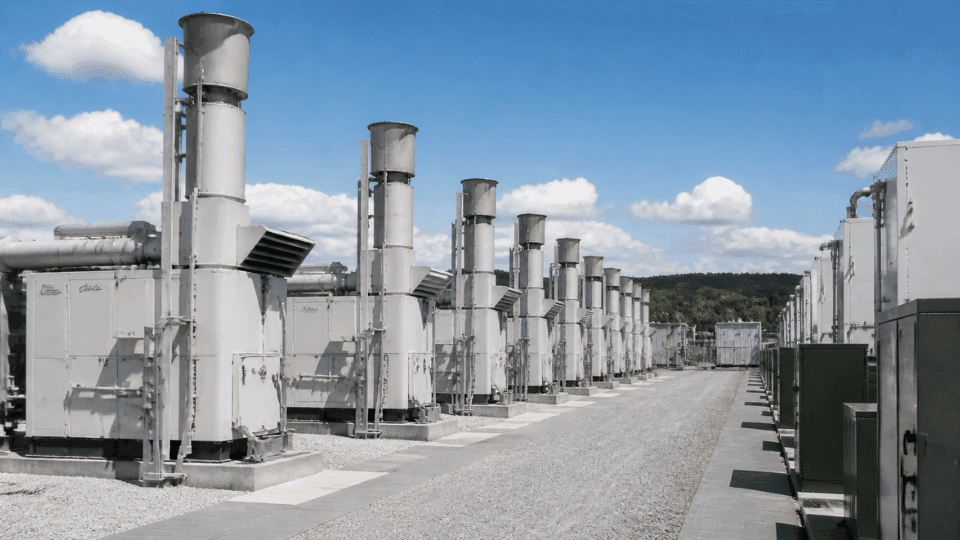
Omen AI acquired competitor Aquatic Labs in a $16 million cash-and-stock transaction, combining two specialized water-sensing startups to tackle data center cooling problems. U.S. data centers currently consume 17 to 19 billion gallons of water every year to cool high-performance computer chips. Industry estimates from The Water Foundation project that annual water usage will triple over the next five years as companies build massive server campuses nationwide.
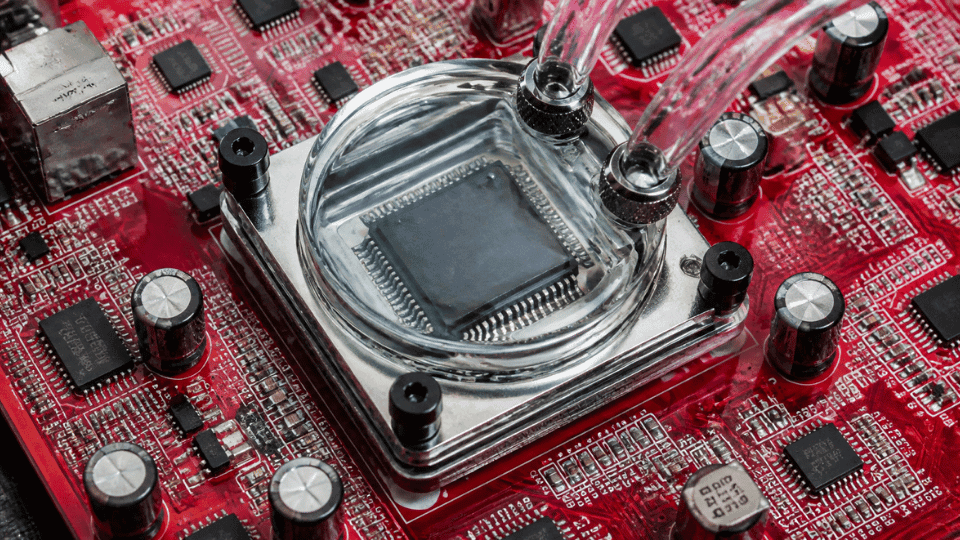
Managing liquid cooling systems presents a costly operational and political headache for hyperscale computing providers. When liquid cooling systems break down or accumulate bacterial growth, data center operators frequently drain and replace millions of gallons of cooling fluid rather than risk permanent damage to expensive server hardware. Dumping contaminated cooling water into municipal systems strains local water supplies, angers nearby residents, and forces operators to shut down active server racks during cleanup operations.
Historically, testing cooling fluid quality meant sending liquid samples out to third-party testing laboratories, a slow manual process that takes several days to deliver results. Omen AI founder Zach Laberge launched his company in 2024 to replace lab testing with real-time hardware sensors. Omen AI sensors monitor fluid flow, detect mechanical valve failures, and spot early bacterial growth inside cooling loops. Following a $31 million Series A funding round in June, Laberge decided to buy Aquatic Labs to integrate its specialized chemical testing hardware.
An investor in the filtration sector introduced Laberge to Aquatic Labs Chief Executive Officer Allan Adams, revealing that both startups built complementary sensing tools. While Omen AI sensors track mechanical and biological shifts in cooling fluids, Aquatic Labs sensors measure liquid alkalinity levels. Adams, a physicist who previously worked as an MIT professor and researcher at the Woods Hole Oceanographic Institute, joins Omen AI as chief science officer. Combining both sensor technologies into a single hardware unit gives facility managers a detailed real-time view of fluid health.
The combined company plans to launch its integrated sensor package early next year. Laberge expects initial units to monitor data center deployments handling 250 to 300 megawatts of power by the end of this year, representing roughly $5 to $7 billion worth of server hardware. By the end of 2027, Omen AI aims to install its fluid monitoring hardware across facility networks running one gigawatt of compute capacity.
Real-time fluid monitoring keeps cooling systems running cleanly without forcing unnecessary water dumps. Catching chemical imbalances early allows operators to treat existing cooling fluid rather than replacing full systems. Keeping cooling loops operational preserves server uptime, reduces municipal water strain, and lowers overall facility operating costs.
While investors voice growing concern over massive capital expenditures across the tech sector, Laberge remains confident in long-term demand. Whether tech firms spend billions expanding server campuses or scaling back new builds, existing facilities still require continuous cooling monitoring. Developing efficient fluid management tools ensures that data centers can maintain high performance while meeting strict local environmental rules.