Data Discount: Meta Slashes API Costs to Watch You Use Its New Model
Most software providers let you opt out of sharing operational usage data. Meta flipped that model by attaching a direct cash value to user telemetry.
For its new Muse Spark model built for coding and automated agents, Meta offers a steep discount averaging around 90 percent for creators who agree to contribute to future model training by sharing real-time prompts and generated outputs.
Standard rates for input processing sit at $1.25 per million tokens, but developers who select the contributor tier pay just 10 cents. Output tokens drop from $4.25 per million down to 20 cents under the same contributor agreement.
Meta struggled to secure high-quality training logs throughout the year. An earlier internal program designed to track how company employees used office computers triggered internal pushback before leadership paused the project in June.
Real-world usage records remain vital for refining automated coding tools. Developers building agent engines noted that early gains seen in tools like Claude Code came directly from saving complete session logs and feeding those records into reinforcement learning algorithms.
However, as software teams push automated tools outside core engineering departments, evaluating real-world performance grows difficult. Complex workflows lack clear digital footprints, making progress hard to measure.
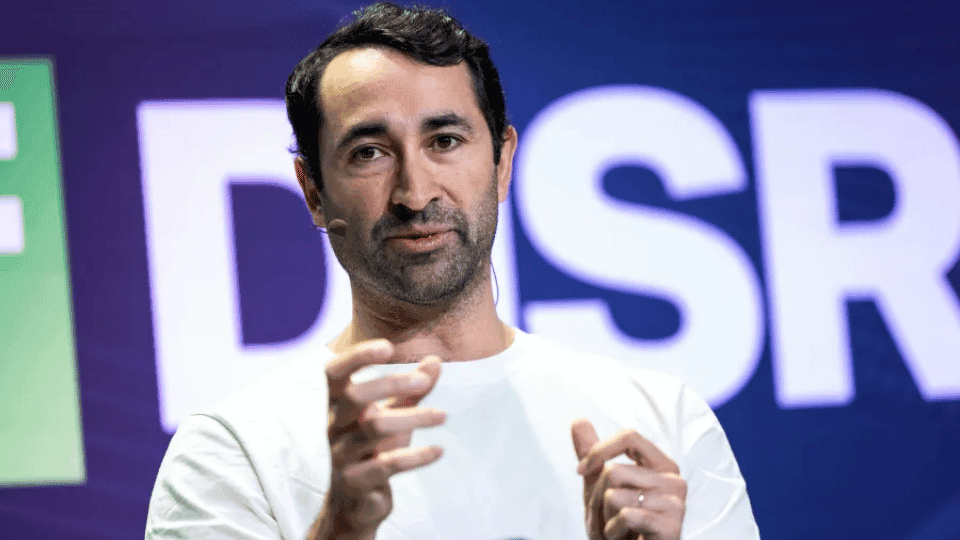
Princeton computer science professor Arvind Narayanan pointed out that large corporations actively avoid sending proprietary internal records to outside model builders. Businesses stick with token-metered enterprise tiers instead of heavily discounted consumer plans because protecting trade secrets and maintaining data governance matter far more than saving a few dollars on API costs.
By offering cash discounts directly at the developer level, Meta gives firms a financial reason to rethink data sharing. Lowering initial usage costs makes testing and scaling software prototypes cheaper for startups, assuming those companies feel comfortable sharing operational logs with outside providers.
Discounted pricing structures could also spark a broader price war across competing research labs. Anthropic released its latest Fable and Mythos models with reduced processing rates for cached tokens, following major price cuts from OpenAI earlier this summer.
As processing costs fall across the industry, companies must decide if sharing internal data is worth a 90 percent discount. For early-stage startups, cheaper API tiers lower the cost of building new software. For established companies holding sensitive trade secrets, keeping internal data private remains far more important than saving money on cloud processing.
Giving developers clear choices around data usage changes how companies price software tools. Offering cheaper access in exchange for training logs helps Meta gather real usage data, while giving developers a low-cost way to test new products.