Fleet Hustle: Tesla Solicits Independent Operators to Buy and Run Cybercabs
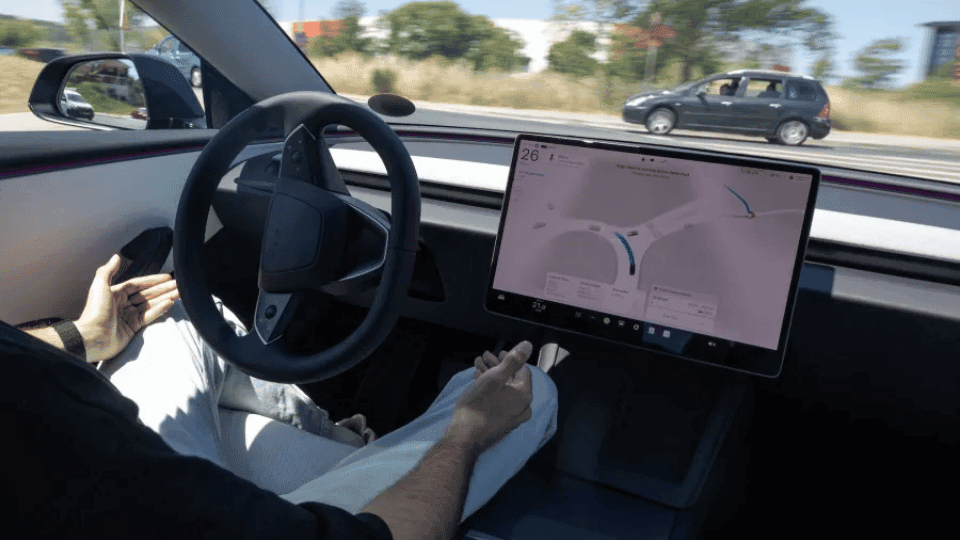
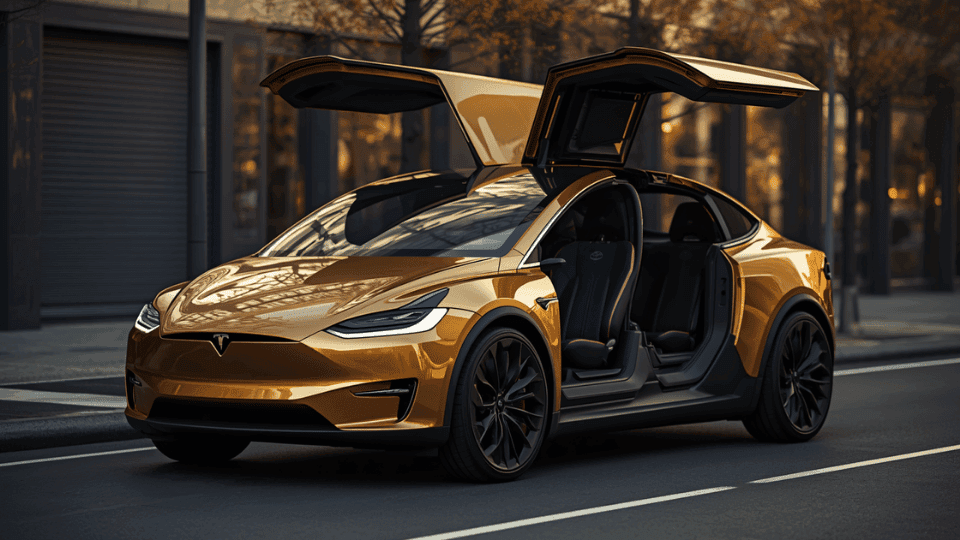
Tesla published an interest form for businesses wanting to buy Cybercab fleets or provide network infrastructure, signaling a major strategy shift. The move shows that Tesla wants to scale its golden-hued autonomous vehicle network beyond acting as a solo fleet operator.
The newly released robotaxi interest form does not serve as definitive proof that Tesla will sell autonomous vehicles directly to third-party operators immediately. However, it offers a strong indicator of long-term business goals. Tesla wants to scale its self-driving footprint rapidly, and executive teams realize they cannot manage total global coverage alone.
Tesla Chief Executive Officer Elon Musk spoke often over the years about building a massive fleet of low-cost robotaxis. Early vision statements focused on personally owned Tesla vehicles. As early as 2016, Musk publicly discussed a future where everyday Tesla owners could make money by renting out their vehicles on an automated rideshare network. During Tesla’s Autonomy Day event in 2019, he detailed plans allowing owners to add autonomous cars to a shared app, mirroring Uber’s business model.
While that original owner-operator model failed to arrive on predicted timelines, Tesla focused on building and testing its purpose-built Cybercab alongside its existing Model Y fleet. Until now, Tesla seemed committed to keeping its robotaxi business entirely in-house. The new interest form explicitly states that outside partners can help build the robotaxi network, proving that Tesla sees value in opening fleet ownership to third-party firms.
Specific operational details remain open. The application asks interested companies to select from several collaboration models, including direct Cybercab fleet purchases, setting up regional mobility hubs, supplying charging infrastructure, or coordinating local events.
A growing list of specialized transport companies already operates in the autonomous fleet management space. For instance, African fintech startup Moove scaled up an autonomous fleet management operation after raising $250 million at a $2.1 billion valuation. Moove serves as the primary fleet operator for Waymo across major markets like Phoenix, Miami, Las Vegas, and London. Moove does not own Waymo vehicles directly, but handles daily depot management, cleaning, and vehicle dispatching.
Other fleet management businesses partnered with major rideshare networks like Uber, including Avride, New Horizon, Avis, and Hertz. Opening Tesla’s network to independent fleet managers encourages smaller operators to set up shop, helping Tesla blanket new cities with autonomous rides far faster than building regional depots alone.