Heavy Iron Brains: How Caterpillar Moves Industrial Automation From Mines to Construction Sites
Nearly every firm attempting to adopt smart software encounters a shared obstacle: integrating high-end algorithms into daily physical tasks remains surprisingly tough. Heavy machinery titan Caterpillar spent decades tackling that exact problem on remote industrial sites. Now, the manufacturing giant applies those hard-earned operational lessons to deploy smart systems directly into job site fleets.
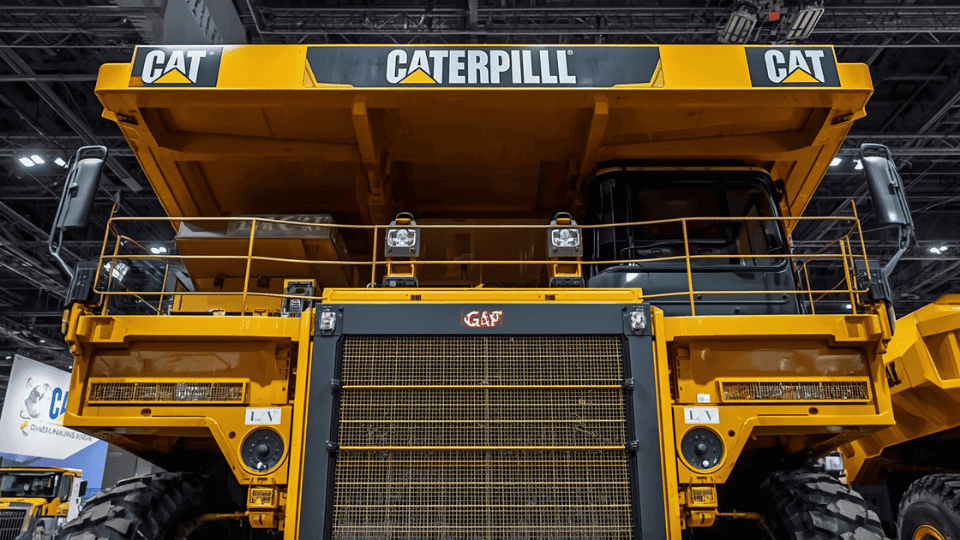
Caterpillar built its automation foundation in the mining sector. Tight labor markets and dangerous work environments made self-driving haulers, automated drills, underground loaders, and remote-controlled dozers a natural choice for mine operators. Over time, the company expanded its tech catalog to include software command hubs, total fleet management tools, and automated terrain mapping.
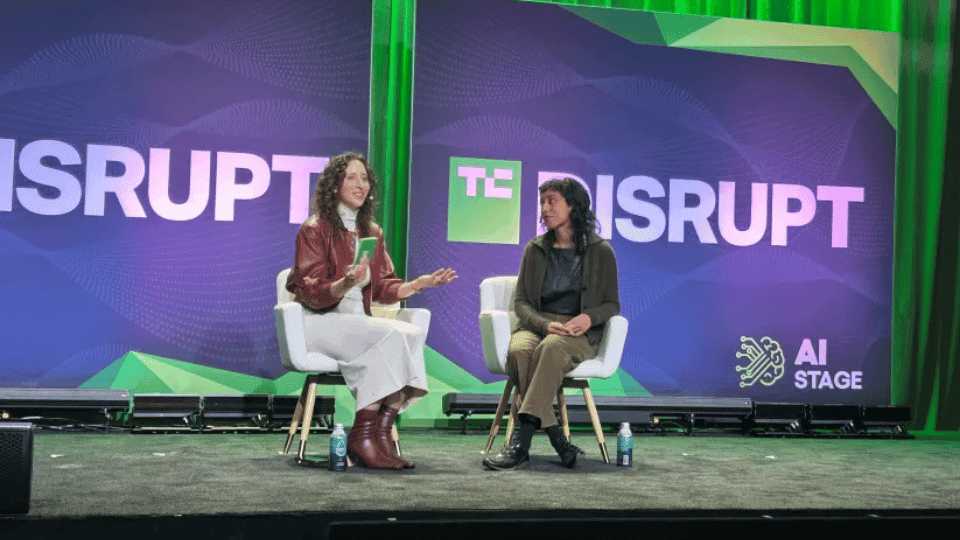
During a recent fireside chat at the Ai4 conference in Las Vegas, Caterpillar Chief Technology Officer Jaime Mineart explained that the company is taking lessons learned from mining operations and bringing them to active work sites, quarries, and complex construction yards.
The equipment maker now expands smart software across everyday field operations. A prime example is the Cat AI Assistant, a specialized voice tool built for field mechanics. Technicians standing right next to heavy iron can speak simple commands into their phones to pull up repair manuals, troubleshoot engine codes, and order replacement components before opening up a machine. Mineart confirmed that customers, equipment operators, and site mechanics actively use the voice tool across job sites.
The voice tool relies on proprietary data gathered from Caterpillar’s connected machine network. Mineart highlighted that Caterpillar monitors approximately 1.6 million connected assets worldwide, generating over 16 petabytes of structured performance records.
Beyond field diagnostics, Caterpillar deploys smart software to scan physical worksites and create digital site models for factory planning. Inside office teams, internal agents help software engineers write new code, speed up testing cycles, and flag potential bugs early in development.
However, Mineart emphasized that writing working code forms only a tiny fraction of the challenge. Installing automated features on a bulldozer differs completely from redesigning an active job site to handle autonomous equipment. Companies must restructure how human crews interact with smart machines while updating standard operational routines.
The real friction with physical automation involves fitting new tools into existing workflows without creating site delays. To make that shift smoother, Caterpillar uses veteran machine operators to teach and train its software systems, turning decades of hands-on operator knowledge into reliable algorithms. As job sites adopt self-driving equipment, operator roles will evolve from steering individual vehicles to overseeing entire equipment fleets from distant control rooms.
To support this massive operational shift, Caterpillar plans to spend $100 million over the next five years to train its 118,000 workers in automation, robotics, and smart systems.
The broader surge in computing infrastructure also drives massive equipment sales for Caterpillar. The company posted an all-time high quarterly revenue of $20.5 billion in the second quarter, buoyed by massive demand for backup power generators used inside cloud data centers. Power generation sales jumped 72 percent to $3.10 billion, with Chief Executive Officer Joe Creed noting that demand for data center power equipment continues to grow rapidly.