Name Fatigue: How Complex AI Branding Is Confusing Everyday Users
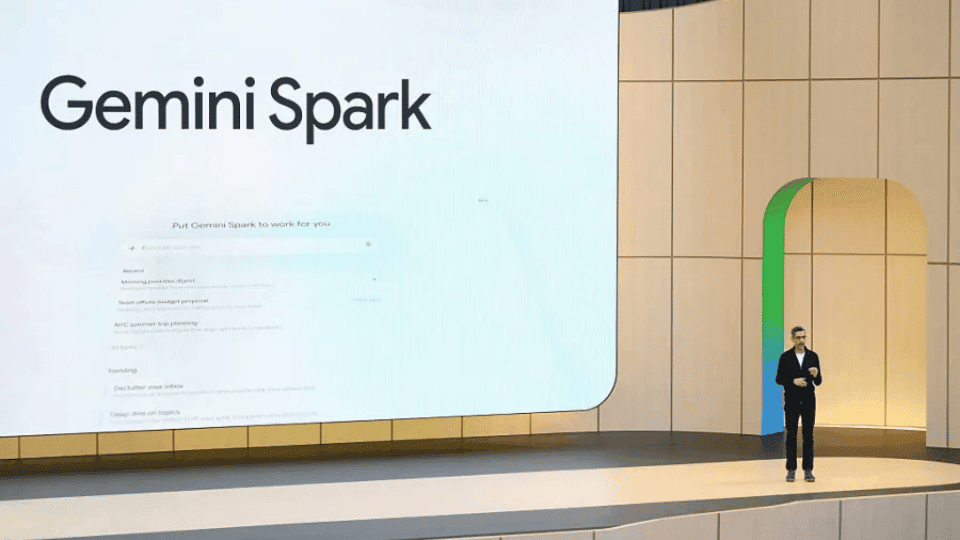
Google claims its updated Gemini app handles voice commands without making users guess which background tool handles the request. However, the company continues giving individual feature sub-brands to almost every tool inside the app, creating a confusing experience that undermines its own message.
Inside the Gemini interface, people must navigate between regular chat, Spark, and Daily Brief. Each option comes with its own icon and dedicated place in the navigation bar. This setup clutters the app and suggests Google is still searching for a clear, unified direction.
Consider Daily Brief as an example. The feature reads like something designed by an engineer rather than an everyday user. It acts as an automated agenda that pulls personal data from Google apps like Gmail and Calendar to offer proactive updates. In practice, the tool struggles to separate urgent tasks from random web searches. It frequently interrupts users with unsolicited prompts to resume old search topics, which feels intrusive rather than helpful. Looking up an old topic on Google does not mean you want a software tool reminding you about it days later.
Spark presents the opposite issue. It operates as an action agent capable of completing tasks on your behalf, making it one of the most practical tools in the app. Yet Google packages it under its own standalone brand name. Users do not care about internal team divisions at Google. They simply want to type a prompt, let the system pick the right tool behind the scenes, and get the job done without choosing a sub-brand first.
This branding confusion extends far beyond Google. The broader tech sector routinely exposes internal software architecture directly to consumers instead of hiding technical details behind a clean interface. For instance, Anthropic forces users to choose between regular chat and Cowork modes. OpenAI forces similar choices between standard chat and specialized work settings. This engineer-first approach feels awkward and unnatural. Companies are asking everyday users to learn technical feature names for basic interaction modes.
This bloated approach explains why Apple’s simpler strategy with Siri might succeed long-term. Apple device owners do not need to learn new product names or study complex sub-brands. Instead, Apple embeds smart updates directly into existing apps and daily habits, making tools like Spotlight Search, Photos, and standard voice requests better without forcing users into a completely new interface.
The popularity of simple text-based assistants further highlights this trend. Tools like Poke, Ollie, Lindy, Orchid, and Folk let users send quick text messages to complete tasks directly. Text messaging remains a familiar, clean interface that requires zero learning curve. As venture capital investor Justine Moore pointed out, people do not want to open a complex app every time they need quick assistance. They want a simple contact they can text like a friend, making simple messaging platforms the gold standard for user experience.