Slop on a Plate: Why Generated Food Photos Are Ruining Restaurant Menus
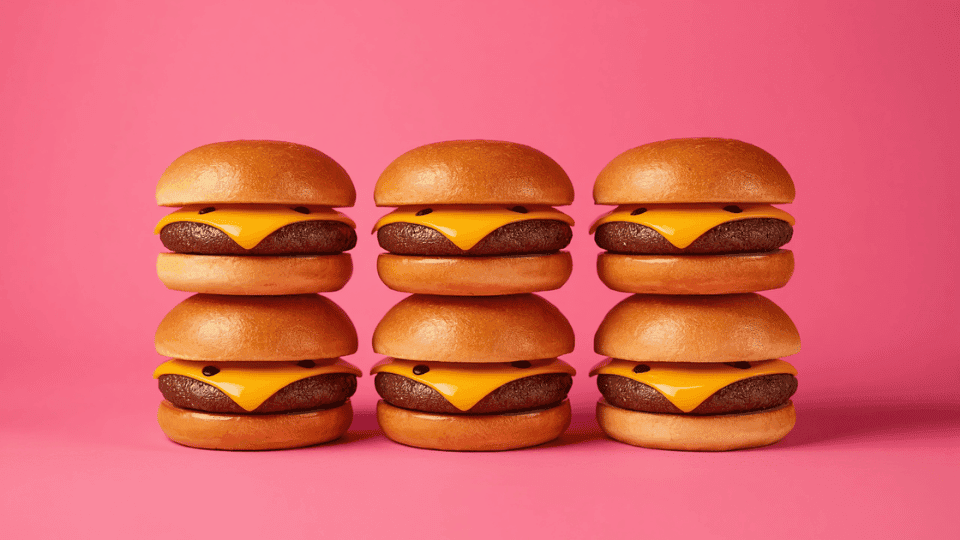
Walk down any busy dining street or open a delivery app, and you will notice a strange trend. Restaurant menus look identical. Perfect, glistening burgers with hyper-glossy buns, melted cheese dripping at identical angles, and bright green lettuce leaves sit on display boards across different eateries. Instead of hiring professional food photographers, restaurant owners use cheap image generators to build their promotional posters. The result is a flood of unappetizing, fake food visuals that turn hungry customers away.
The issue stems from training data bias. Automated image generators pull from millions of online stock photos. When a user types a prompt for a cheeseburger, the software defaults to an average representation of every burger photo in its database. This averaging effect strips away local flair, unique kitchen styles, and real ingredients, replacing authentic food photos with plastic-looking digital approximations.
Restaurant owners think they save money by skipping traditional food photography. Hiring a commercial photographer, setup lighting, and styling real dishes costs hundreds or thousands of dollars. Generating an image takes seconds and costs almost nothing. However, saving money on upfront production costs often hurts long-term sales. Consumers recognize fake food graphics instantly. When an image looks plastic or unnatural, people lose their appetite and choose a different restaurant.
Visual consistency also creates trust issues on delivery apps. When a customer orders a meal based on an over-styled, generated image, the real food arriving in a cardboard box rarely matches the screen preview. A sloppy, real-world sandwich delivered to a doorway creates disappointment when compared to a flawless digital picture. That gap between expectation and reality leads to bad customer reviews, refund requests, and lost repeat business.
Marketing experts note that real imperfections make food appealing. Golden-brown crusts, slight drips, uneven cuts, and natural steam signal fresh ingredients prepared by human hands. Computer-generated graphics erase these natural textures, turning dishes into sterile, waxy objects that look more like plastic toys than warm meals.
Some platform creators are pushing back by introducing disclosure badges or banning generated photos in favor of real food photography. Delivery apps understand that misleading images damage consumer trust across their entire network. Requiring verified photos of actual kitchen output protects buyers while rewarding restaurants that take pride in their real product preparation.
As creation tools become cheaper, standing out requires authentic presentation. Restaurant owners who invest in real photography build genuine connections with hungry local customers. Showing actual kitchen creations might cost slightly more upfront, but real food photos drive actual orders and keep customers coming back for more.
Relying on cheap shortcuts harms brand reputation over time. Restaurant operators must highlight what makes their kitchen special instead of blending into a sea of identical digital slop. Honest representation always beats automated perfection when selling food to real people.