Boardroom Pressure: Jensen Huang Faces 50-50 Odds as Nvidia Probes US Export Allegations
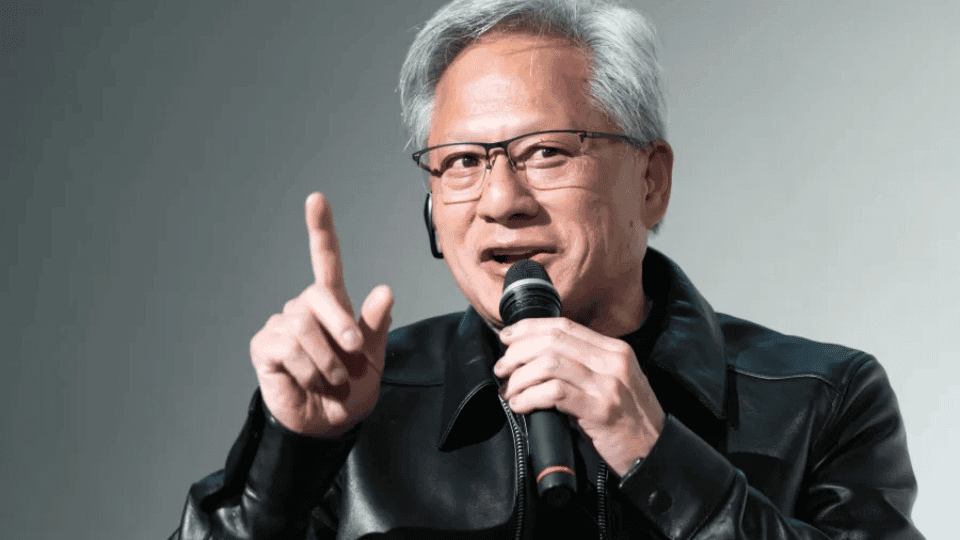
Nvidia stock took a sharp hit following reports that Chief Executive Officer Jensen Huang is facing an internal investigation over allegations that he personally approved microchip shipments to China in violation of U.S. export bans. The claims originated from an anonymous whistleblower within Nvidia who alleged that Huang, a Taiwan-born executive who grew up in Beijing, directed employees to bypass trade restrictions. A spokesperson for the Chinese Embassy in Washington dismissed the accusations in late October as pure rumors and slander, noting that no formal charges have been filed. However, U.S. intelligence officials reportedly briefed President Donald Trump about related concerns over a year ago, raising questions about whether federal agents monitored Huang’s actions for months.
The central question facing Silicon Valley is whether Huang can navigate this crisis and retain his leadership role. Yale School of Management professor Jeffrey Sonnenfeld analyzed the situation, rating Huang’s chances of keeping his job at about 50-50. Sonnenfeld pointed out that while Huang previously enjoyed immense respect across the tech sector, the current inquiry marks a severe blow to his personal credibility. If any lower-level employee faced similar allegations, company leaders would terminate them immediately. The sheer severity of potential export violations makes it difficult for the board of directors to look the other way, regardless of Huang’s track record.
Beyond reputational damage, the crisis highlights structural vulnerabilities inside Nvidia’s executive ranks. Unlike most major tech corporations, Nvidia lacks a clear operational second-in-command. Huang keeps decision-making tightly centralized, with more than 40 direct reports filtering through his office. This flat management structure makes it exceptionally hard for external observers or internal teams to identify a logical successor if Huang steps down. Compounding the problem, key board members are independent directors who must evaluate Huang’s choices against strict federal compliance standards rather than personal loyalty.
The timing of the investigation complicates Nvidia’s broader strategic investments. Nvidia has committed billions of dollars toward chip manufacturing, cloud software providers, and artificial intelligence startups. In August alone, Nvidia signed major co-investment deals with Apollo, BlackRock, and Blackstone. Pushing forward with aggressive capital deployment while its chief executive faces regulatory scrutiny creates uncertainty for partners and institutional shareholders.
Critics also point to past commercial decisions that strained relations with federal regulators. Earlier this year, Huang pushed to sell lower-spec artificial intelligence chips tailored specifically for the Chinese market. Industry analysts questioned whether altering chip designs to meet export thresholds created backdoor risks for unauthorized software access. Now, board members must determine whether Huang’s business strategy prioritized quarterly revenue over strict compliance with national security regulations.
While the internal review continues, Huang remains focused on daily operations. Nvidia is scheduled to report its latest quarterly earnings on November 18, giving investors a clear view of financial performance amidst corporate headwinds. However, tech analysts warn that even strong earnings reports cannot offset potential legal liabilities if federal agencies confirm export violations.
The situation at Nvidia reflects a broader shift across the technology industry, where government oversight of hardware exports and artificial intelligence supply chains has reached unprecedented levels. Tech executives can no longer separate commercial growth from international trade policy. How Nvidia’s board handles the investigation will set a clear precedent for how corporate leaders balance aggressive global expansion against strict federal compliance mandates.