Freezing Chaos: US Government Issues Urgent Alert Over Mass Cyberattacks on Critical Refrigeration Systems
United States government agencies issued a joint warning regarding an ongoing cyber threat targeting industrial refrigeration units across supermarket chains, military bases, and medical cold storage facilities. The Cybersecurity and Infrastructure Security Agency, the Federal Bureau of Investigation, and several executive departments warned that bad actors are actively probing internet-connected cooling hardware. The official alert cautions that compromised systems put critical supply chains at risk, impacting food distribution, agricultural storage, transport networks, and medical shipping.
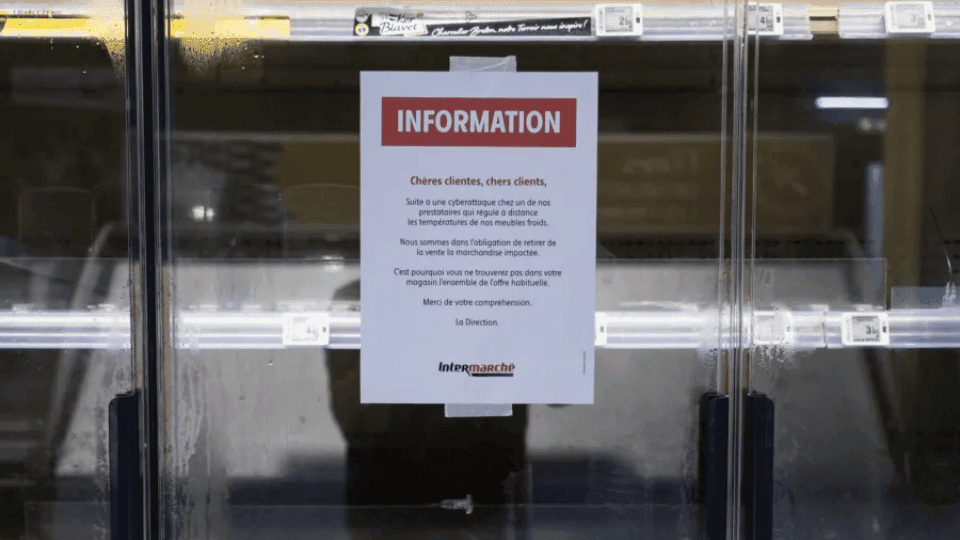
Federal investigators cautioned that successful intrusions allow hackers to remotely modify temperature settings. Changing thermal profiles can trigger physical damage, cause immediate inventory loss, and shorten equipment lifespans. The formal warning comes after back-to-back waves of cyberattacks hit industrial freezers and chilling units across the United Kingdom and Europe. Attackers forced cooling hardware into continuous defrost cycles across at least a dozen countries, spoiling massive volumes of food and destroying perishable produce. Several breached facilities ran unpatched controllers made by Danish manufacturer Danfoss, which stopped issuing security updates for legacy units.
The cyberattacks extend far beyond commercial grocery stores. Hackers targeted a blood bank facility in France, forcing refrigerated storage units to raise temperatures in rooms storing donated blood supplies. Facility workers stopped the intrusion before the attack destroyed critical blood reserves. Meanwhile, the United States Department of Defense is investigating intrusions targeting freezers on military installations. While federal agencies have not formally named a specific culprit, independent security analysts broadly attribute the attacks to threat actors linked to Iran, and United States officials consider Iranian groups the primary suspects.
In response to the threat, federal security agencies urged operators across all affected industries to disconnect remote management systems from public internet connections. Federal guidance recommends updating passwords, applying firmware patches where available, and completely replacing end-of-life hardware that no longer receives vendor security updates. A separate official fact sheet warned that attackers try to lock refrigeration units into permanent heating modes, causing widespread equipment failures. CISA leadership emphasized that any organization relying on industrial cooling systems should assume bad actors are actively targeting their hardware.
Connecting basic facility equipment to open networks creates massive operational vulnerabilities for essential services. Industrial freezers and climate controls often run on legacy control systems that lack basic security protections. When organizations leave outdated hardware connected to web monitoring networks, attackers gain easy access to physical infrastructure controls. Securing these systems requires facility operators to audit network connections, isolate cooling hardware behind strict firewalls, and remove legacy controllers from service immediately.
As cyber threats target real-world physical infrastructure, protecting cold storage networks becomes essential for public health and national supply chain security. Commercial grocers, medical facilities, and government installations must treat heating and cooling hardware as high-priority digital assets. Enforcing strict network isolation, updating software passwords, and replacing unsupported legacy hardware will help prevent future attacks from shutting down critical refrigeration systems.