Surveillance Backlash: Ten Localities Sever Ties with Flock Safety Camera Network
At least ten municipal governments and police departments across the United States have cancelled or chosen not to renew their operational contracts with license plate reader vendor Flock Safety since this summer. The growing list of contract cancellations marks a sharp public turn against widespread automated tracking systems. What began as a rapid push by local law enforcement to install automated street monitoring tools has run into rising opposition over privacy rights, improper tool usage, procurement policy errors, and mounting data security fears.
The recent wave of cancellations spans multiple states across the country. Towns and cities like Monroe, Ohio, Newark, New York, Richmond, Virginia, Framingham, Massachusetts, East Bridgewater, Massachusetts, East Lansing, Michigan, and Lansing, Michigan, have all ended or scaled back their active camera agreements with Flock Safety. In addition, police leadership in Grafton, Massachusetts, announced plans to discontinue using Flock equipment after their current contract ends, while city leaders in Leap City, Texas, recently voted to pause their contract extension amid growing public criticism.
Flock Safety launched its specialized vehicle-tracking software back in 2017, marketing cloud-connected camera hardware equipped with local edge processing. The systems automatically log vehicle license plates, record car colors, and note distinct physical features like roof racks or damage. Law enforcement agencies initially rushed to buy the systems to track stolen vehicles and locate missing persons. Thousands of law enforcement agencies currently operate these cameras nationwide, creating a dense web of automated street monitoring.
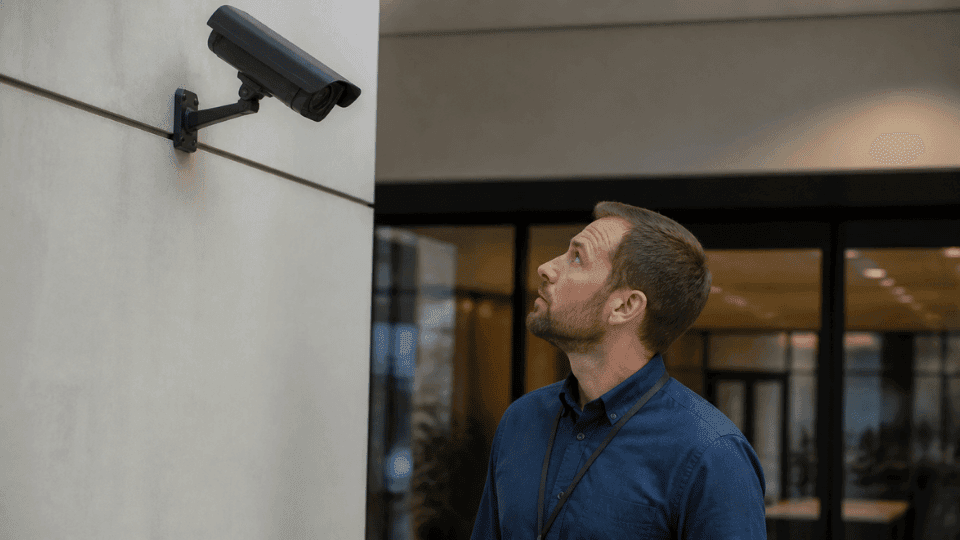
However, community pushback against continuous tracking has built up steadily over recent months. Unlike hidden digital trackers or smartphone location apps, Flock cameras sit on visible roadside poles in plain view of everyday drivers. Privacy advocates point out that seeing physical cameras on every corner makes residents realize how much location data private vendors harvest daily. People watch the cameras record their movements as they drive to work, visit doctors, or run routine errands, driving public anger against unchecked surveillance networks.
Beyond broad privacy concerns, specific misuse incidents have fueled public outrage. In Brentwood, Missouri, an officer faced criminal charges for using Flock’s search system to stalk an ex-girlfriend. Elsewhere, civil rights groups documented cases where immigration enforcement officers accessed local license plate data despite city rules prohibiting federal access. In Ithaca, New York, residents pushed city officials to drop Flock after learning that federal agencies could search local vehicle records.
In response to growing criticism, Flock updated its system settings in August, shortening default data retention windows from 30 days down to 14 days. The company also added mandatory case number requirements before officers can run vehicle searches across its database. Despite these software updates, local law enforcement agencies continue to face intense community pressure to cut ties with the vendor. In cities like Oxnard, California, voters actively rejected ballot initiatives that aimed to fund local camera installations.
The nationwide pushback against Flock reflects a broader debate over how communities balance public safety against personal privacy. As voters and local city councils demand greater transparency over surveillance budgets and data sharing practices, police departments are forced to rethink their reliance on private monitoring vendors.