Legal Pushback: Meta, Google, and TikTok Sue California Attorney General Over Teen Social Media Rules
Meta, Google, and TikTok filed separate federal lawsuits against California Attorney General Rob Bonta to block a state law restricting social media features designed for users under 16 years old. Signed by California Governor Gavin Newsom in September under assembly bill designation AB 1709, the legislation takes effect at the start of the new year. The law bans tech platforms from serving personalized algorithm feeds and autoplay videos to underage accounts. Additionally, the statute requires networks to delete minor accounts outright if platform managers fail to turn off those automated features, exposing non-compliant tech companies to fines up to $50,000 per affected minor.
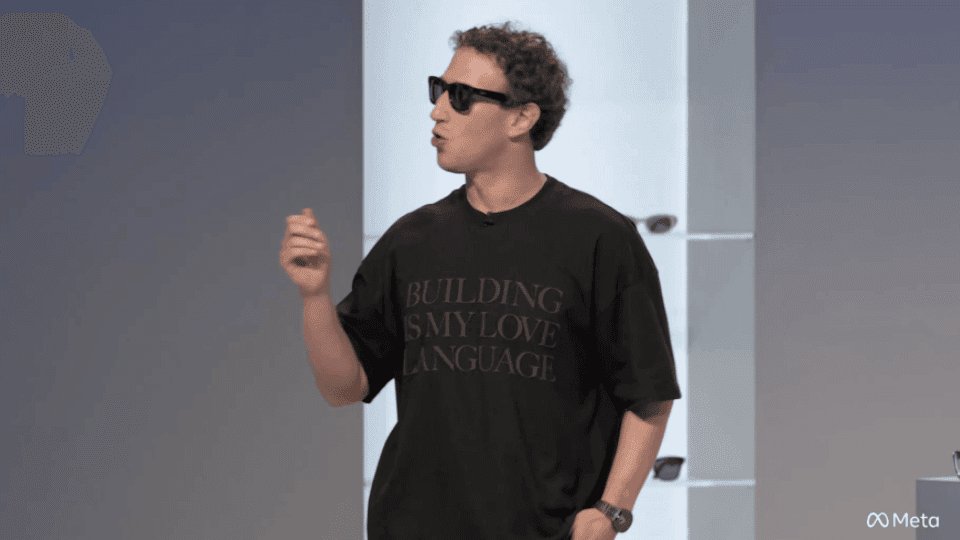
In its legal filing, Meta argues that AB 1709 violates First Amendment protections by overriding internal editorial decisions regarding content display. Meta attorneys contend that Section 230 federal immunity preempts state restrictions. TikTok and Google raised similar constitutional challenges in their respective filings. Meta noted in court documents that because its algorithm automatically personalizes feeds and plays media content, the state law effectively makes hosting minor accounts illegal unless the company completely alters platform mechanics or deletes teenage users entirely.
A spokesperson for TikTok stated in an official release that AB 1709 creates an unconstitutional restriction on free expression. The company argued that the law breaks protected curation practices long used by bookstores, television networks, and digital streaming services to organize content based on user preferences.
The California statute matches broader global efforts to restrict youth social media use to manage mental health concerns. However, digital privacy groups warn that enforcing age limits often backfires by forcing platforms to collect more personal identity data from all users. Rindala Alajaji, Associate Director of State Affairs at the Electronic Frontier Foundation, warned that AB 1709 forces websites to collect extra identification data, compromising privacy for adults and teenagers alike. Alajaji also highlighted that social media networks give young activists essential platforms to organize movements, noting that shutting minors out cuts off access to vital online communities.
Tech platforms are pushing back heavily as they fight parallel legal battles across multiple states and international jurisdictions. Meta previously agreed to a $18 billion settlement resolving child safety claims brought by 29 state attorneys general. Internationally, Australia passed a total social media ban for users under 16 in December 2025, while France passed similar legislation before its top court struck the rules down over free speech concerns.
Google representatives emphasized that YouTube already turns off autoplay for minor accounts by default while giving parents direct controls to restrict access to Shorts. Google argued that broad state mandates break existing parental management tools instead of supporting family safety choices. In response to the lawsuits, a representative for California Attorney General Bonta stated that state attorneys are reviewing the filings and remain committed to defending common-sense youth protections in court.