Capitol Hill Scrutiny: Democrats Launch Inquiry Into Trump Administration’s Nvidia Chip Export Deal
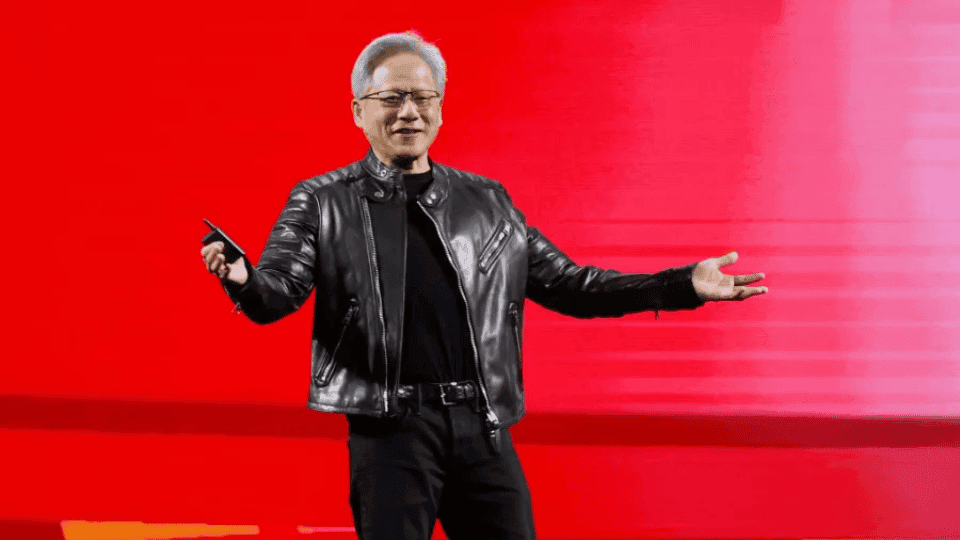
Democratic lawmakers opened a formal congressional inquiry into how the Trump administration approved Nvidia microchip sales to China, escalating fallout from the scandal that pushed founder Jensen Huang out of his chief executive role. Earlier Thursday, Nvidia announced Huang’s resignation following public admissions of extramarital affairs, including a relationship with an executive suspected by U.S. intelligence agencies of spying for Beijing, alongside separate workplace relationships with Nvidia staff. Huang also agreed to appear before a separate set of Republican-led congressional committees after facing threats of a formal subpoena.
The newly launched Democratic inquiry targets the federal government’s trade enforcement practices directly. Representative Richard Neal of Massachusetts, the top Democrat on the House Ways and Means Committee, and Senator Ron Wyden of Oregon, ranking member on the Senate Finance Committee, sent a formal preservation demand to Commerce Secretary Howard Lutnick. Because Democrats hold minority status in both chambers, they cannot issue binding subpoenas on their own, though their letter puts federal agencies on notice to preserve internal communications regarding export licensing decisions.
In their letter, Neal and Wyden criticized an export arrangement that allowed Nvidia to sell H200 artificial intelligence processors to Chinese buyers. According to the lawmakers, President Donald Trump cleared sales of the Taiwan-manufactured chips on the condition that Nvidia route the hardware through the United States first. Upon arrival at U.S. ports, the administration applied a tariff structure designed to collect a direct percentage cut from Nvidia’s China sales before the Commerce Department granted final export licenses. The lawmakers argued that collecting revenue on outbound shipments functions as an unconstitutional export tax.
The arrangement builds on public revenue-sharing agreements first disclosed in August 2025, when Nvidia and competitor AMD agreed to share 15 percent of their Chinese chip revenues with the federal government to obtain export approvals. However, Democratic committee leaders questioned why Commerce Secretary Lutnick continued approving chip shipments to Singapore-based distributor Megaspeed even after U.S. intelligence officials flagged national security warnings.
Megaspeed sits at the center of the controversy. Federal intelligence officials suspect Megaspeed executive Alice Huang, who engaged in an affair with Jensen Huang, was recruited by the Chinese government to gather intelligence and route restricted chips into mainland China. Neal and Wyden noted that intelligence briefings alerted administration officials to suspicions surrounding Alice Huang and Jensen Huang’s personal ties, yet the Commerce Department continued issuing export green lights to Megaspeed and other Asian buyers lacking physical offices at their listed corporate addresses.
Lawmakers also raised sharp questions about whether financial contributions influenced trade policy. The letter pointed out that federal export approvals moved forward after President Trump learned of Jensen Huang’s compromised personal situation, shortly after Nvidia donated $26 million toward administration initiatives, including a White House ballroom project. Committee leaders suggested the timeline raises concerns over whether administration officials used knowledge of the executive’s personal vulnerability to secure financial donations in exchange for favorable export licenses. Adding to those questions, Trump mentioned during a recent 60 Minutes television broadcast that his team had threatened an unnamed AI executive with jail before the executive quickly changed his posture toward the administration.
This Democratic investigation marks the second major congressional probe triggered by the Nvidia scandal. A separate coalition of Republican leaders from the House Select Committee on the Chinese Communist Party, the House Foreign Affairs Committee, and the House Intelligence Committee previously demanded closed-door testimony from Jensen Huang regarding potential national security leaks. Following his resignation from Nvidia on Thursday, Huang agreed to cooperate voluntarily with the Republican panels.
With both political parties investigating different angles of the controversy, scrutiny now extends far beyond corporate boardroom ethics. Federal lawmakers are examining how national security export controls operate in practice, questioning whether revenue-sharing tariffs and political donations compromised oversight over critical artificial intelligence hardware.