Closing the Cloud Loophole: US Tightens AI Chip Export Controls to Block Remote Access From China
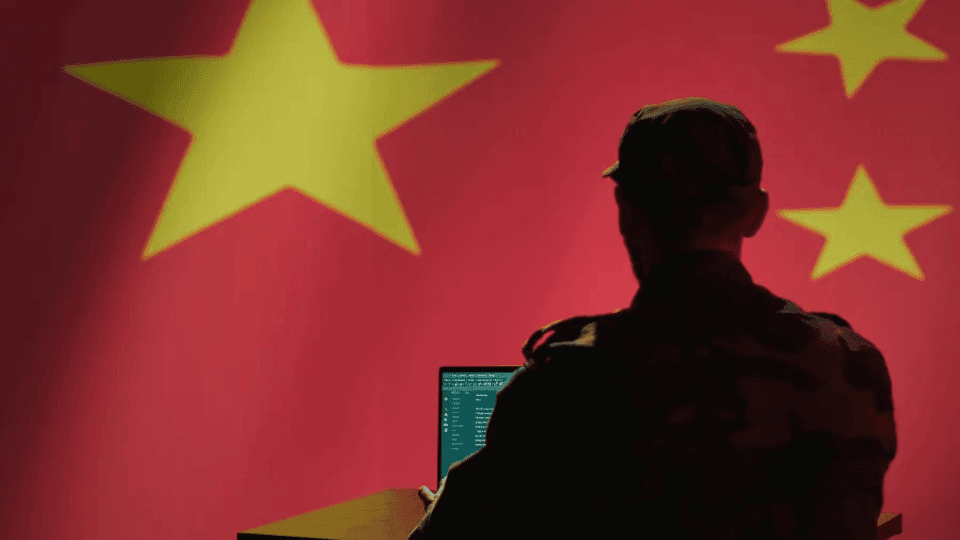
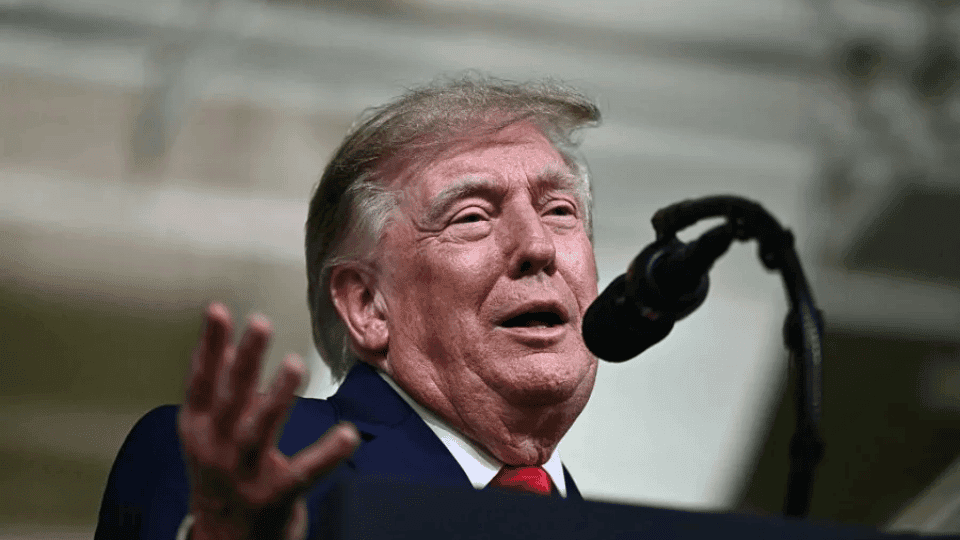
The Trump administration is rolling out sweeping new export controls targeting artificial intelligence chips and international data centers, aiming to stop Chinese companies from bypassing existing trade restrictions by renting computing power remotely across borders. By closing the cloud compute loophole, federal regulators want to prevent firms in restricted countries from training advanced models on American-designed hardware housed inside foreign server facilities.
Under the new interim rule, the Commerce Department will require technology companies to obtain federal licenses before exporting, reexporting, or transferring AI chips and server racks to data centers anywhere in the world if those facilities might supply computing capacity to entities in China or other restricted nations. While existing rules already required licenses to ship semiconductors directly to firms headquartered in or owned by entities inside the United States D:5 group of embargoed countries, which covers China, Russia, Iran, North Korea, and 18 other nations, the updated regulation extends oversight directly to remote cloud access.
Federal officials framed the update as a necessary extension of existing hardware controls. According to the text of the interim rule, the restrictions directly target the ability of companies based in countries of concern to train advanced Super Intelligence models on American semiconductors. Regulators emphasized that unrestricted access to high-end compute clusters allows foreign entities to build capabilities that could support military and intelligence operations threatening United States national security.
The regulatory crackdown arrives just days after Nvidia co-founder Jensen Huang resigned amid a high-profile scandal involving an alleged Chinese spy tied to one of the chipmaker’s major buyers. Federal authorities have reportedly sought to place that specific customer, Singapore-based Megaspeed, onto a restricted trade entity list over suspicions that the firm purchased thousands of Nvidia processors to route remote computing capacity to Chinese businesses. Ahead of the announcement, Reuters reported that Chinese AI developers were rushing to lock down overseas cloud capacity before tighter Washington rules took effect.
Technically, the new licensing requirements apply to any data center or networked cluster capable of supplying more than 12 million total processing performance, an export metric equivalent to the raw computing output of roughly 750 Nvidia H100 or H200 processors. The rule also covers indirect cloud rentals arranged through third-party brokers or intermediaries. Exporters and data center operators must actively vet customer ownership structures and monitor account usage to verify that restricted D:5 entities are not running workloads on their hardware.
Alongside remote access rules, the Commerce Department added strict new licensing mandates for shipping or transferring advanced semiconductors to Malaysia, Singapore, Indonesia, Thailand, and Brazil. Officials cited a higher-than-normal risk of illegal chip diversion across those five countries, though shipments destined strictly for American-headquartered companies operating locally remain exempt. Existing data center operators whose services fall under the expanded rules have 90 days from the effective date to secure federal licenses, while standard commercial recommendation engines used in social media and e-commerce remain excluded.
Finally, the interim rule formally rescinds the Biden administration’s January 2025 AI Diffusion Rule, which had proposed tiered country caps on chip exports and restrictions on model weight transfers. Having previously criticized that earlier framework as overly burdensome on American firms and allied nations, the Trump administration is replacing broad country quotas with targeted enforcement aimed directly at stopping remote compute access from restricted adversaries.