Maintenance Meltdown: Transportation Secretary Blames Routine Fiber Upgrade for Nationwide Flight Grounding
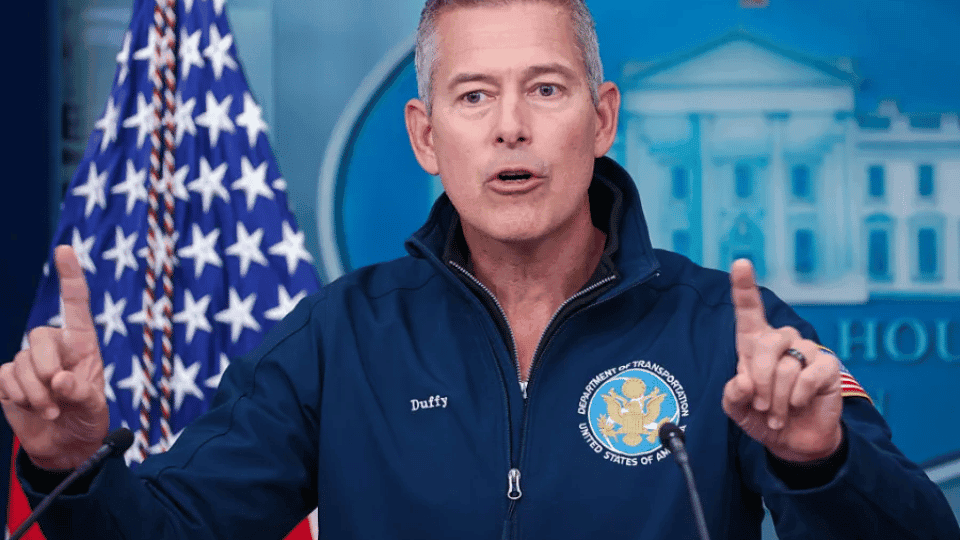
Transportation Secretary Sean Duffy confirmed on Saturday that seemingly routine maintenance work triggered the nationwide ground stop that halted all departing flights across the United States on Friday afternoon. Speaking during a press briefing, Duffy explained that longtime Federal Aviation Administration contractor L3Harris was upgrading legacy copper wiring to fiber optic cables at a remote communications facility when a newly installed network router overloaded critical air traffic control systems.
Duffy described the copper-to-fiber transition as straightforward technical work that telecommunications crews perform routinely. However, immediately following the Friday afternoon switchover, the remote hardware began flooding connected flight control networks. Federal investigators are now auditing the equipment to determine whether the outage resulted from an installation error by L3Harris technicians or a defective router unit.
FAA Acting Chief Technology Officer Rebecca Guy outlined the technical chain reaction behind the communications breakdown. When network monitoring tools detected severe instability across air traffic routing channels, engineers traced the disruption to two specific network nodes pinging the FAA backbone at an overwhelming rate. Those two sites were generating roughly 1,000 connection requests every four to five seconds, effectively choking off data and radio links needed to coordinate aircraft safely. Guy noted that engineers quickly disabled both offending nodes to stabilize the network before launching a full root-cause investigation.
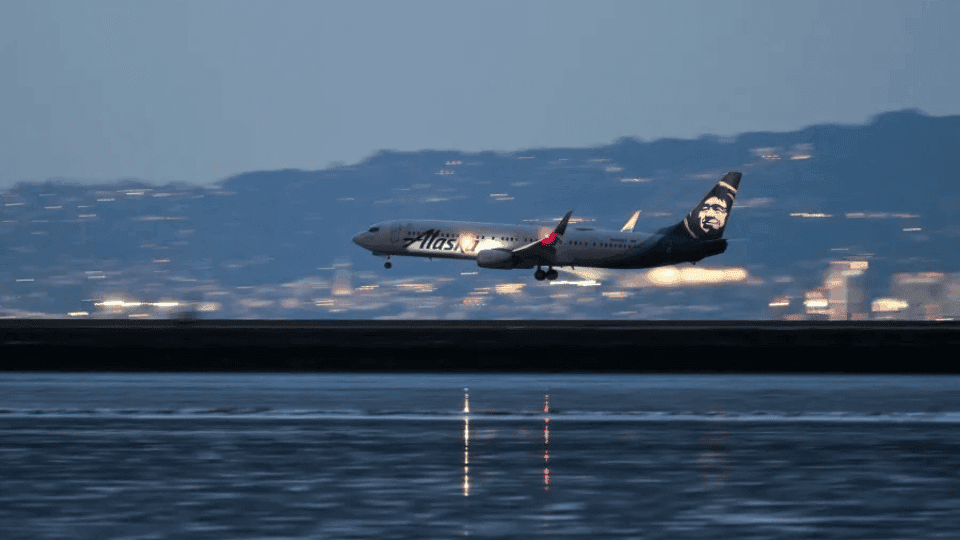
The sudden communications failure forced federal regulators to take drastic action. Friday’s shutdown marked only the third nationwide ground stop in the 21st century. According to aviation analytics firm Cirium, airlines canceled more than 6,200 flights on Friday evening alone. Disruptions cascaded well into the weekend even after officials lifted the ground order, resulting in at least another 3,000 flight cancellations on Saturday as carriers struggled to reposition aircraft and flight crews.
Duffy used Saturday’s briefing to renew his push for Congress to approve additional funding for modernizing aging aviation infrastructure. Reporters also pressed the secretary on why contractors scheduled network switchovers at 3:00 PM on a busy Friday afternoon rather than during low-traffic overnight hours. Duffy explained that while major airport upgrades happen late at night, remote facility switchovers typically occur during daytime shifts. Following Friday’s meltdown, Duffy stated that transportation officials will reevaluate maintenance scheduling policies across all remote locations.
The timing of the equipment failure sparked immediate speculation online because the FAA had announced a new artificial intelligence tool for air traffic controllers just one day earlier. The air traffic controllers union also noted that federal officials had not consulted frontline controllers while designing the AI system. However, FAA Administrator Bryan Bedford firmly dismissed rumors linking the outage to software bugs or outside interference. Bedford stated that investigators found zero evidence of malicious cyber activity and zero connection to any artificial intelligence tools, pointing strictly to defective physical hardware. Homeland Security Secretary Markwayne Mullin echoed that assessment earlier, joking with reporters who asked about AI involvement before confirming the incident stemmed from equipment failure.
Friday’s air travel paralysis exposes how vulnerable national aviation networks remain when aging copper infrastructure meets modern routing hardware. A single misconfigured or faulty router at a remote site managed to knock out communications across major airspace hubs, demonstrating why modernizing telecom backbones and tightening contractor oversight remain urgent priorities for federal aviation leaders.