Airspace Lockdown: U.S. Government Halts All Domestic Flights Nationwide Over Equipment Outage
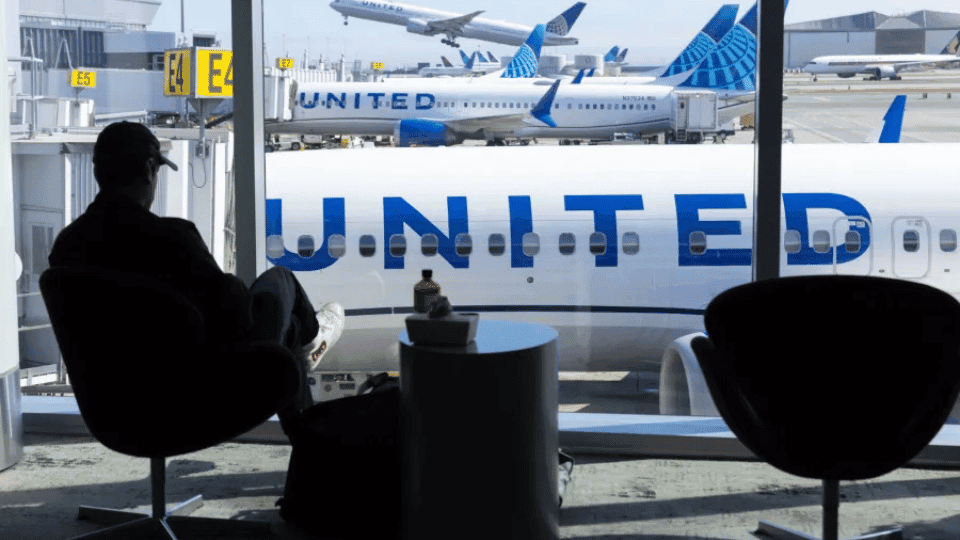
The Federal Aviation Administration ordered a sweeping nationwide ground stop on Friday afternoon, halting all departing commercial and private flights across the United States due to extraordinary circumstances and urgent safety concerns. The sudden federal directive brought domestic air travel to a standstill, stranding passengers at departure gates nationwide while aviation engineers scrambled to restore failing flight control infrastructure.
According to status updates posted on the agency’s official portal, an equipment outage triggered the emergency shutdown. Adding to the confusion for travelers and airline dispatchers, the main FAA website briefly went offline during the height of the disruption, displaying an error notice citing technical difficulties.
The Air Traffic Control System Command Center issued a formal advisory confirming that aircraft were prohibited from taking off from any U.S. departure gate until further notice. While the emergency alert cited extraordinary circumstances and safety protocols, it offered few technical details and briefly vanished from public tracking pages. Under the federal order, all outbound domestic flights remain grounded indefinitely, while inbound international flights already airborne are being managed and cleared to land on a case-by-case basis.
An FAA spokesperson later clarified the operational scope of the failure, explaining that officials issued the nationwide ground stop following widespread communication breakdowns across multiple Air Route Traffic Control Centers. These regional centers manage high-altitude airspace and coordinate safe spacing between aircraft traveling across the United States. When radio and data links drop out across multiple hubs simultaneously, air traffic controllers cannot safely track plane positions or issue routing instructions, leaving a total ground stop as the only safe option.
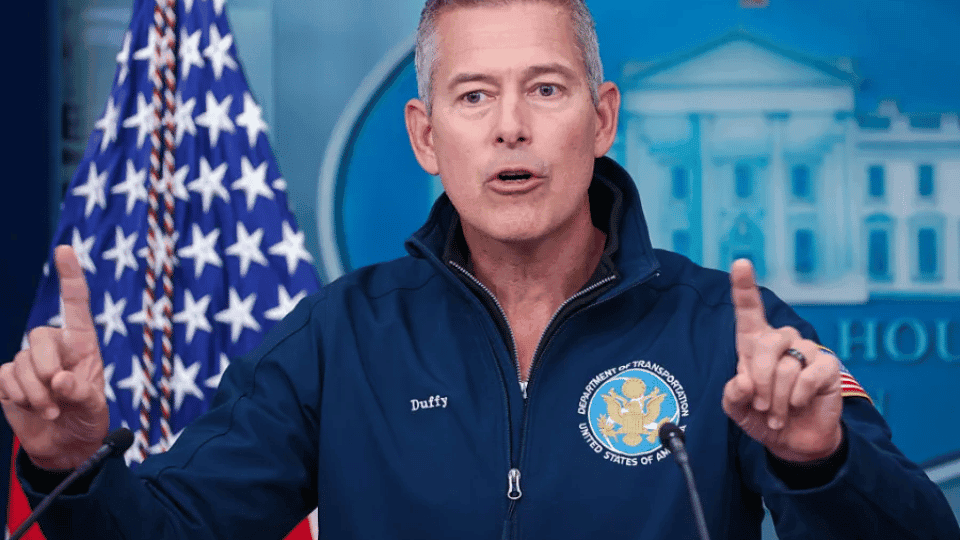
Transportation Secretary Sean Duffy addressed the growing travel disruption in a public post on X, confirming that FAA field technicians were actively investigating the equipment failure to isolate the fault. Meanwhile, Homeland Security Secretary Markwayne Mullin spoke to reporters outside the White House to address immediate national security concerns. Mullin stated that federal investigators found no early evidence suggesting a cyberattack or malicious interference caused the breakdown, though he warned travelers and airlines that full system recovery would take considerable time.
Federal officials have not yet identified the exact hardware or software component behind the outage. However, the timing draws immediate scrutiny across the aviation and technology sectors. Just days earlier in the same week, the administration rolled out a new artificial intelligence tool built to assist air traffic controllers in optimizing flight routes, saving travel time, and reducing airline fuel expenses. Investigators have not confirmed whether the newly deployed AI software played any role in the communication failures, or if aging legacy telecom infrastructure simply failed under load.
A nationwide ground stop highlights just how fragile core aviation infrastructure remains when central communication nodes go dark. Even a localized routing failure across regional control centers creates immediate cascading delays across every major airport hub in the country. Until federal technicians restore reliable communications and verify system stability, airlines face massive scheduling backlogs and thousands of stranded flyers waiting for the skies to reopen.