White House Defense: Trump Says Ex-Nvidia CEO Jensen Huang’s Affair Did Not Threaten National Security
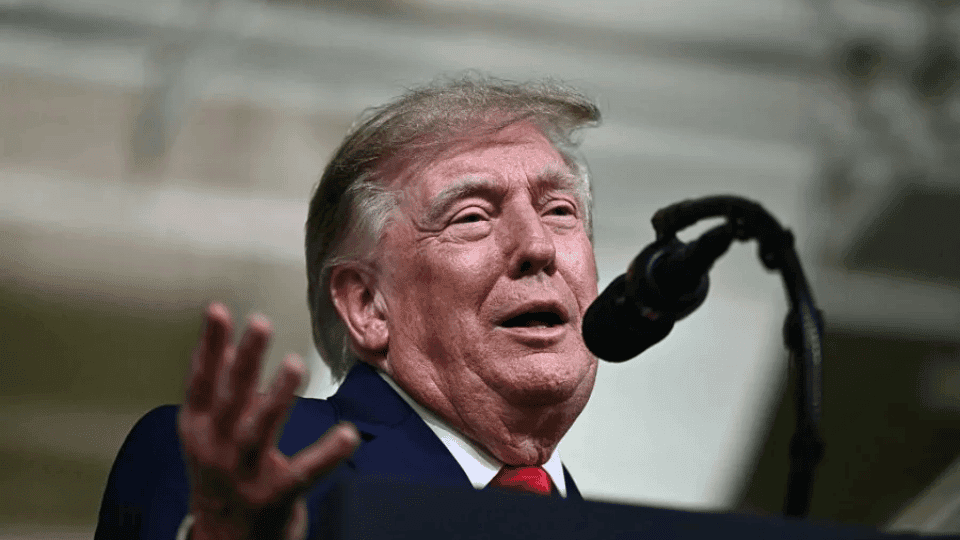
United States President Donald Trump told reporters on Monday that he does not believe national security was put at risk by former Nvidia chief executive officer Jensen Huang’s extramarital affair with an alleged Chinese intelligence operative. Speaking to the press, Trump downplayed the geopolitical fallout surrounding the ousted semiconductor founder, citing his personal relationship with Huang while insisting the country remains stronger than ever. Trump added that while China plays strategic games with Washington, the United States plays right back.
During his remarks, Trump directly contradicted previous assessments from his own federal intelligence officials by casting doubt on whether Huang’s partner, former Megaspeed executive Alice Huang, actually works as a Chinese spy. Trump separated Huang’s personal conduct from national security concerns, stating that while the executive likely made poor personal choices, nobody has proven Alice Huang is an intelligence agent.
Those public comments contrast sharply with internal government records produced inside Trump’s own administration. Last year, Secretary of State Marco Rubio reportedly oversaw the drafting of an internal policy memo circulated among top Washington officials warning that Alice Huang operated as an agent for China’s Ministry of State Security. Intelligence officials reportedly briefed Trump on those specific findings at least twice, including during a flight aboard Air Force One in May shortly before Jensen Huang accompanied the president on a diplomatic trip to China. Despite those documented briefings, Trump has maintained that he was unaware of the espionage claims.
The controversy sits directly at the intersection of semiconductor export controls and international security. The United States strictly regulates exports of Nvidia’s advanced artificial intelligence processors to China to protect its technological lead. Even before news of Jensen Huang’s personal relationship became public, both United States and Singaporean authorities had launched formal investigations into Megaspeed over suspicions that the firm illegally smuggled restricted Nvidia chips into mainland China.
The mounting scandal ultimately cost Huang the chief executive post he held for 33 years. Following his initial admission of infidelity, subsequent news reports revealed that Huang also engaged in workplace affairs with two internal Nvidia employees, including at least one vice president who reported directly to him. Facing intense boardroom pressure and upcoming congressional inquiries, Huang stepped down from the company he co-founded.
Since his departure, a vocal group of Silicon Valley executives has rallied to defend Huang. Prominent industry leaders, including Tesla chief executive Elon Musk, Y Combinator president Garry Tan, and Epic Games chief executive Tim Sweeney, signed an open petition urging Nvidia’s board of directors to reinstate Huang pending an independent review. Trump voiced sympathy for that push on Monday, noting that many people want Huang to return to Nvidia and calling his reinstatement a reasonable idea, even though Trump previously floated former Apple chief executive Tim Cook as his top pick to fill the vacancy.
Trump’s public defense introduces fresh political complexity into an already turbulent corporate transition. While the president dismisses espionage risks and backs Huang’s potential return, congressional committees and federal regulators continue examining how restricted chips moved through foreign intermediaries and whether governance lapses compromised oversight at America’s most valuable chipmaker.