Credit Watchdogs Sound the Alarm: S&P Considers Nvidia Credit Downgrade Over Governance and Key Man Risks
Wall Street’s top credit analysts are scrutinizing Nvidia’s recent boardroom upheaval. S&P Global Ratings, one of the three major credit rating agencies, announced it is reviewing Nvidia for a possible credit downgrade, pointing directly to troubling management practices and weak corporate governance.
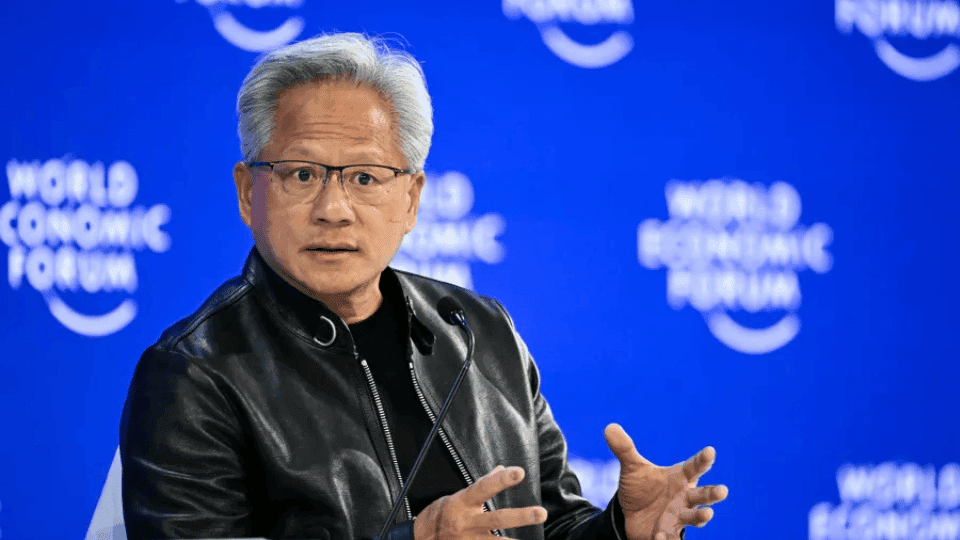
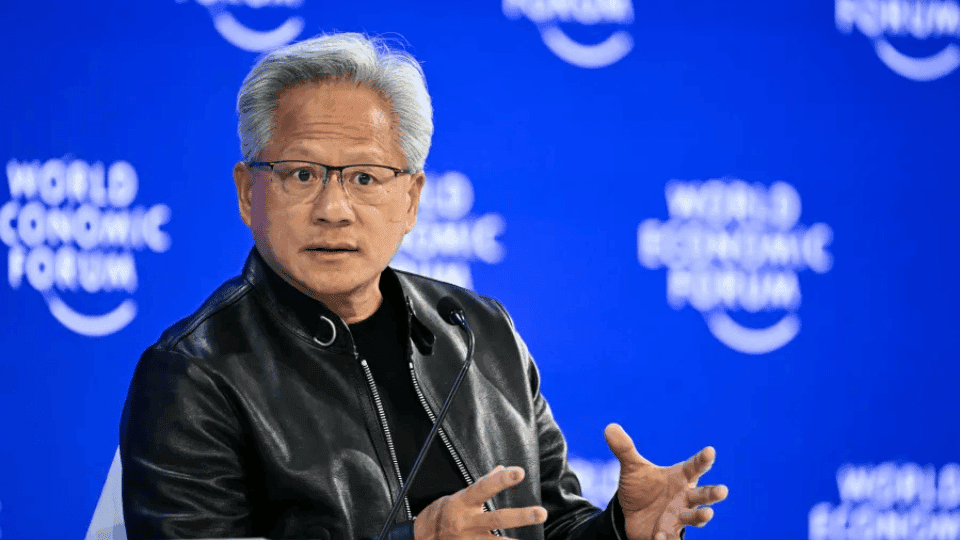
Even though Nvidia continues to generate massive revenue and wide profit margins, the sudden ouster and rapid reinstatement of Chief Executive Officer Jensen Huang exposed deep structural flaws at the top of the company. In a formal statement explaining the review, S&P flagged weak executive oversight, the absence of clear succession planning, and severe key man risk, meaning Nvidia relies too heavily on Huang alone to drive its future success.
S&P expects to complete its formal assessment within 90 days and could lower Nvidia’s long-term issuer credit rating by one notch, moving it from AA down to AA-, the fourth-highest rank on S&P’s rating scale.
While an AA- grade keeps Nvidia safely inside investment-grade territory, even a single-notch cut carries serious financial ripple effects across the artificial intelligence infrastructure sector. Lowering a company’s credit rating typically increases its borrowing costs when raising debt on bond markets. Even bigger consequences hit Nvidia’s ecosystem partners. Because Nvidia uses its balance sheet to backstop smaller neocloud startups and independent data center builders that lack strong standalone credit ratings, a downgrade on Nvidia could push up interest rates for those partners or force them to post additional cash collateral to keep data center projects moving forward.
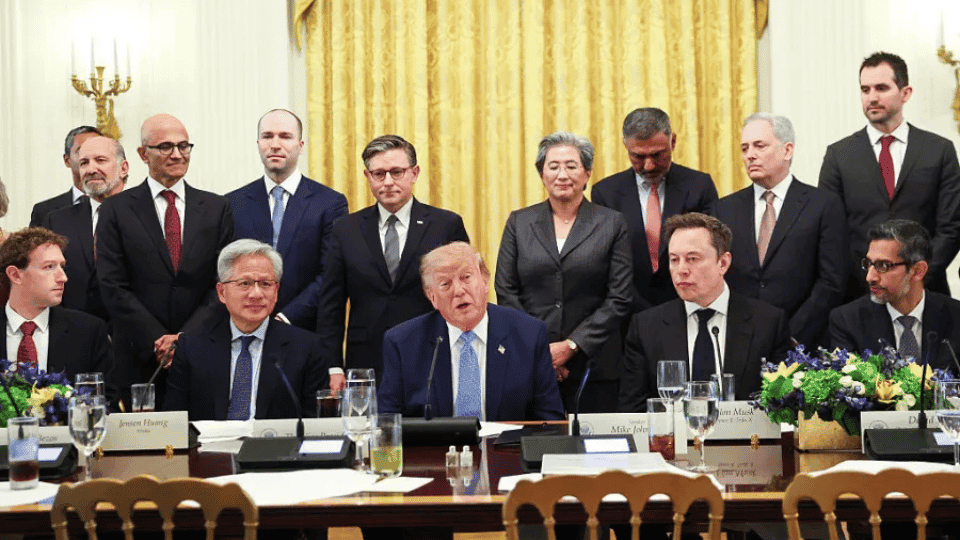
Those higher costs could complicate Nvidia’s massive infrastructure financing initiatives. Back in August, Nvidia revealed plans to arrange $500 billion in financing for AI data centers alongside six major Wall Street institutions, including Goldman Sachs, Apollo, and Blackstone. Under the initial terms, Nvidia agreed to guarantee 25 percent of those loans. According to Bloomberg, lenders were already pressing Nvidia to guarantee an even larger slice of the debt before Huang’s abrupt exit and return shook market confidence.
If S&P moves ahead with a downgrade, Wall Street banks and private credit funds will likely demand substantially larger financial guarantees from Nvidia before funding new server deployments. For a semiconductor giant whose processors power global AI expansion, executive drama is no longer just a governance debate; it threatens to make financing the next wave of data centers much more expensive.