Espionage or Political Spin? Unpacking the Question of Whether Alice Huang Is a Chinese Spy
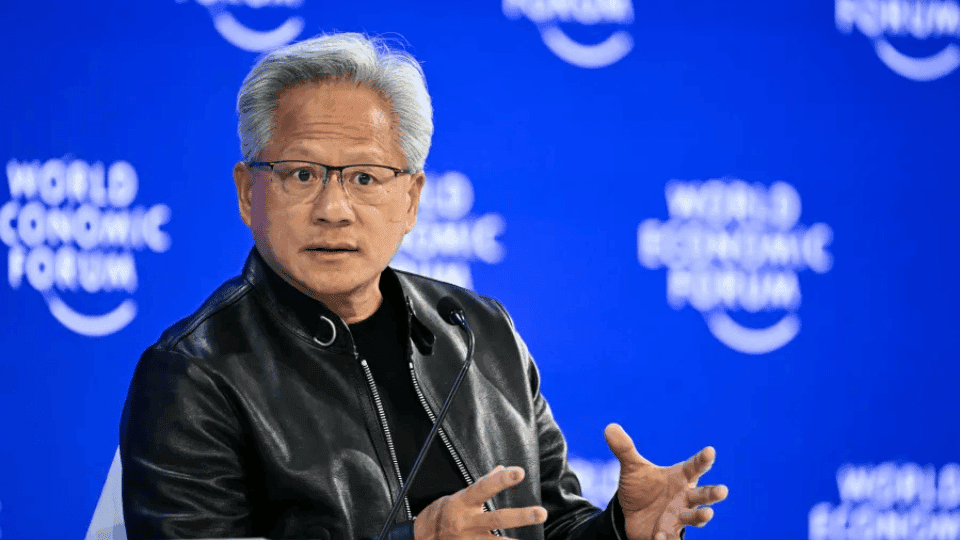
At the center of the political and corporate firestorm engulfing Nvidia sits a single explosive claim: that Alice Huang, a former executive at Singaporean data center firm Megaspeed, works as a Chinese spy. Huang carried on an extramarital affair with Nvidia Chief Executive Officer Jensen Huang, who resigned abruptly on November 12 after acknowledging the relationship only to be reinstated just as suddenly on Monday of this week.
What the public actually knows is far murkier than cable news headlines suggest. United States intelligence agencies reportedly tracked Alice Huang’s communications with an officer from China’s Ministry of State Security, yet federal officials have released zero public evidence proving Beijing tasked her with targeting Nvidia’s chief executive. Over the past week, after President Donald Trump lobbied heavily to put Jensen Huang back in charge, the White House abruptly downplayed the exact intelligence warnings it circulated internally just months ago. Whether that sudden shift reflects fresh intelligence findings or raw political pressure remains the central unanswered question in Washington.
What reporters have verified is that the espionage allegation originated inside the White House itself. The claim first surfaced in a highly classified memo written in March under the oversight of Secretary of State Marco Rubio and distributed to senior administration officials ahead of Trump’s diplomatic trip to China in May. That document formed the partial foundation for the New York Times’ initial reporting published on October 27, with the memo’s existence confirmed on November 5.
News outlets even disagree on how strongly the memo worded its assessment. According to the Wall Street Journal, the document stopped short of definitively labeling Alice Huang a Chinese spy, whereas CNN reported that the memo concluded outright that she operated as a Chinese intelligence asset.
More firmly established is the fact that Alice Huang maintained direct contact with Chinese intelligence officers. China’s Ministry of State Security serves as Beijing’s primary civilian intelligence agency overseeing both foreign espionage and domestic counterintelligence. Citing sources familiar with U.S. intelligence reports, the New York Times reported that Huang communicated with an MSS officer from the spring of 2025 through this fall, overlapping directly with her affair with Jensen Huang. Beijing has dismissed the espionage claims as a smear, while Megaspeed maintains that Huang left the company in August 2025 and insists its cloud operations are completely legitimate.
Administration officials have rushed to soften the narrative following Huang’s reinstatement. On Tuesday, Attorney General Todd Blanche, who served as Trump’s personal defense attorney before taking over the Justice Department, told reporters he saw no reason to claim Nvidia was anything other than a good corporate citizen. That same day, Trump floated the possibility of a presidential pardon for Jensen Huang while adding he doubted one would be necessary. Meanwhile, senior intelligence officials reportedly briefed lawmakers that the government lacks hard proof showing the MSS ordered Alice Huang to pursue a romantic relationship with Nvidia’s leader.
None of those official caveats actually clear Alice Huang. Instead, they point toward an alternative explanation: that Beijing did not initiate the affair, yet still used an opportunistic contact without Jensen Huang breaking any laws by dating her. Viewed through a circumstantial lens, the picture remains deeply troubling. Alice Huang held a senior post at Megaspeed while federal investigators examined the firm for allegedly smuggling restricted Nvidia processors into China, and some sources claim her husband, Kang Wei, worked directly for the MSS.
Timing drives much of the skepticism surrounding Washington’s sudden change of tune. Trump openly stated that he pressured Nvidia’s board directly and indirectly to reinstate Jensen Huang, making it unsurprising that officials serving under him now frame the intelligence in softer terms. Adding to the intrigue, CBS reported that Secretary Rubio privately voiced concerns about aspects of Huang’s return.
Earlier this month, CNN reported that intelligence analysts were still working to determine whether Alice Huang acted as a directed agent, and incoming House Intelligence Committee chair Representative Jim Himes remarked after a classified briefing that he remained unsure whether she was an actual spy or merely a useful idiot. As the Wall Street Journal noted, corporate executives operating under Chinese President Xi Jinping routinely maintain ties to state intelligence services without formally enrolling as undercover operatives.
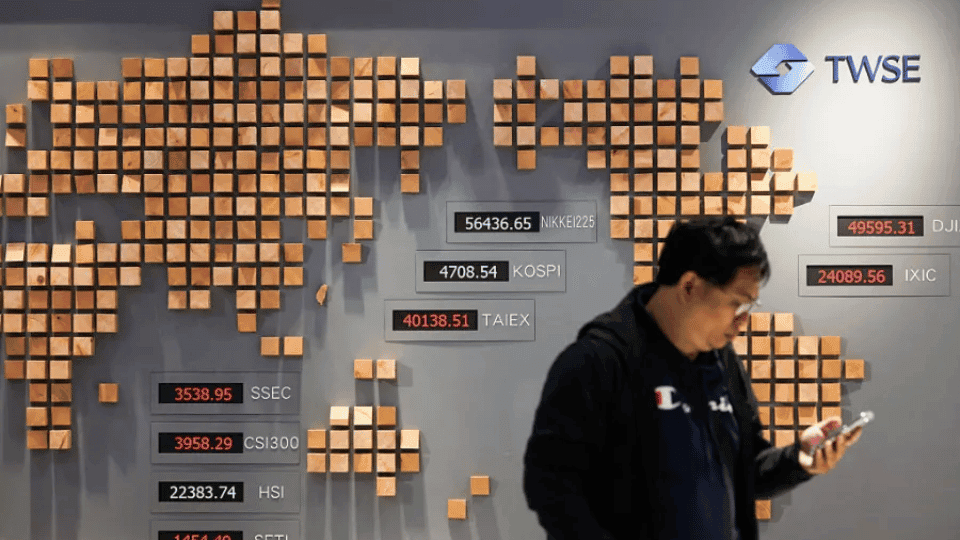
Conflicting leaks from anonymous officials leave huge questions wide open. If U.S. intelligence monitored Alice Huang for over a year, why did officials wait so long to warn Jensen Huang privately before a public leak wiped out billions in market value, unless tipping him off risked exposing an active counterintelligence operation? What specific information, if any, did she pass to Beijing? Most importantly, who leaked the classified March memo to reporters in October after officials grew frustrated that Trump ignored Rubio’s May briefing and awarded Huang the National Medal of Science? With Jensen Huang scheduled to testify before the Senate Banking Committee next week, lawmakers are gearing up to press for answers that public hearings rarely manage to extract completely.